
Life According to Sam (2013)
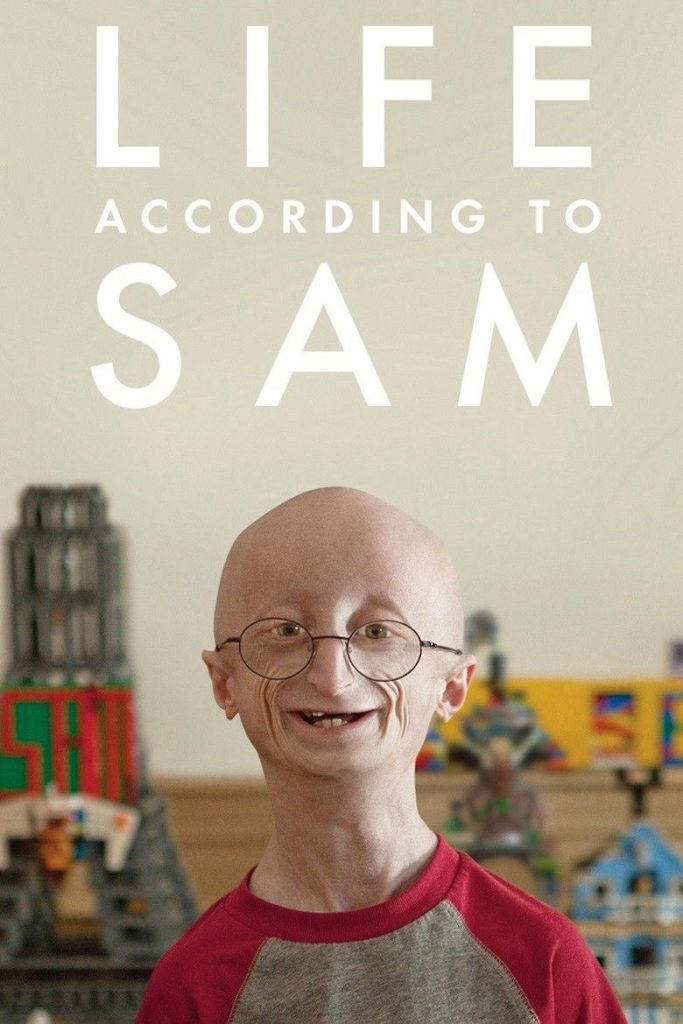
Story overview
This documentary follows Sam Berns, a boy with progeria—a rare genetic condition causing accelerated aging—and his parents, both doctors, as they work to find a treatment. It highlights Sam's resilience and his family's dedication, offering an inspiring look at medical research and personal courage.
Parent Guide
A heartfelt documentary suitable for family viewing, focusing on resilience and medical advocacy. Best for children aged 8+ with parental guidance due to emotional themes.
Content breakdown
No violence or peril depicted; the focus is on medical and emotional challenges.
Mildly disturbing due to discussions of a life-threatening illness and scenes showing Sam's health struggles, but presented sensitively.
No offensive language; dialogue is respectful and educational.
No sexual content or nudity.
No substance use depicted.
Moderate emotional intensity from themes of illness, family love, and hope; may evoke sadness or inspiration.
Parent tips
Watch with children to discuss illness, family support, and perseverance. Prepare for emotional moments related to Sam's health. Use it to teach empathy and the value of scientific research. Suitable for family viewing with guidance.
Parent chat guide
Parent follow-up questions
- Who is Sam?
- How does Sam feel?
- What do his parents do to help him?
- What is progeria?
- Why is Sam's story important?
- How do doctors try to help people like Sam?
- How does progeria affect Sam's life?
- What challenges do Sam and his family face?
- What can we learn from their journey?
- What ethical issues arise in treating rare diseases?
- How does this documentary portray medical research?
- What impact does Sam's story have on awareness of progeria?
🎭 Story Kernel
At its core, 'Life According to Sam' is less about progeria and more about the universal human struggle against predetermined expiration dates. The film explores what it means to live meaningfully within compressed timeframes, using Sam's accelerated aging as a metaphor for our own mortality. It's driven by two parallel quests: Sam's desire for normal teenage experiences against biological constraints, and his parents' scientific crusade to literally buy him more time. The real tension isn't whether they'll find a cure, but whether they can reconcile medical urgency with preserving Sam's childhood—capturing the heartbreaking paradox of parents trying to save their son while letting him be a kid.
🎬 Visual Aesthetics
The cinematography employs intimate close-ups that make Sam's aging skin a landscape we navigate, while wider shots emphasize his smallness against medical machinery. A muted, documentary-realist color palette occasionally breaks for warmth during family moments—golden hour light during beach scenes creates visual respite from clinical whites. Time-lapse sequences of clouds and seasons mirror Sam's accelerated timeline. The camera often stays at Sam's eye level, refusing to infantilize him despite his stature. Medical footage is presented matter-of-factly, avoiding sensationalism while making cellular processes feel epic in scale.
🔍 Details & Easter Eggs
💡 Behind the Scenes
Directors Sean Fine and Andrea Nix Fine spent three years filming the Berns family, capturing over 400 hours of footage. The film's access to FDA meetings and clinical trials was unprecedented—researchers initially worried about confidentiality. Sam himself participated in editing decisions, particularly insisting on including humorous moments to balance medical heaviness. The beach scenes were filmed in Cape Cod where the family vacations annually, with Sam's difficulty walking on sand being unrehearsed and captured spontaneously. The score by Chris Biondo uses subtle clock-like rhythms throughout.
Where to watch
Choose region:
- HBO Max
- HBO Max Amazon Channel
- Amazon Video
- Apple TV Store
- Google Play Movies
- YouTube
- Fandango At Home
Trailer
Trailer playback is unavailable in your region.