
Life of a King (2013)
Story overview
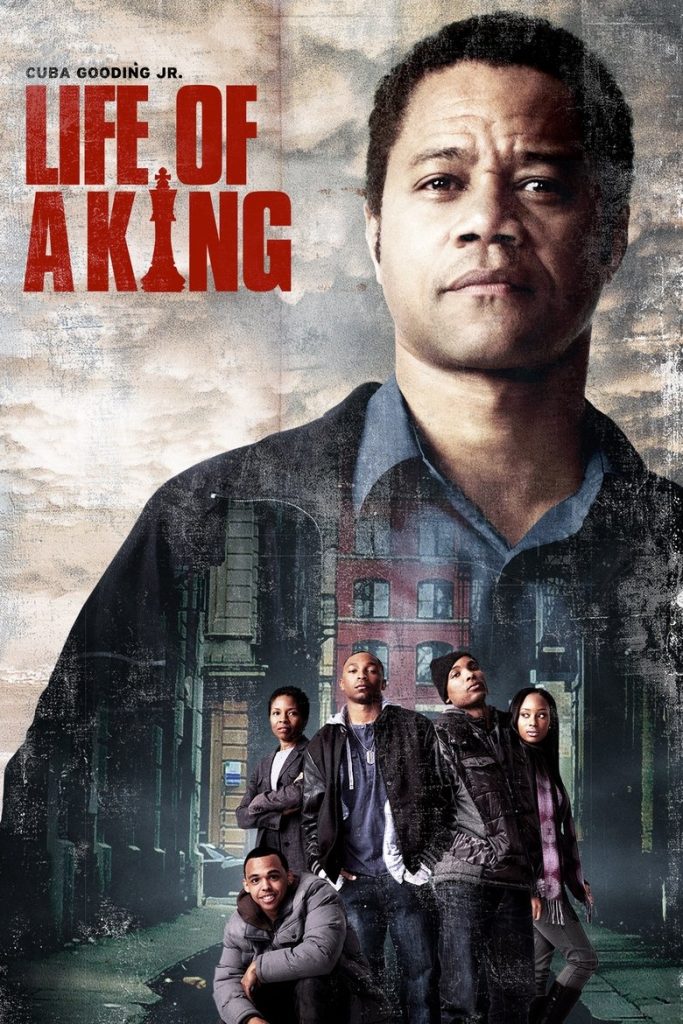
Life of a King is a 2013 drama film rated PG-13. It follows a man who, after serving time in prison, dedicates himself to teaching chess to at-risk youth in an underserved community. The story explores themes of redemption, mentorship, and using strategy and discipline to overcome life's challenges. It highlights the transformative power of education and positive guidance.
Parent Guide
A drama about redemption and mentorship through chess, with themes suitable for mature viewers due to references to criminal past and social challenges.
Content breakdown
May include references to past criminal activity or tense situations, but no graphic violence shown.
Themes of poverty, crime, and personal struggle might be unsettling for sensitive viewers.
May include mild language consistent with a PG-13 rating.
No sexual content or nudity expected.
Possible references to substance use given the setting, but not graphic.
Deals with heavy themes of redemption, consequences, and social inequality that may provoke thoughtful discussion.
Parent tips
This film deals with mature themes including the protagonist's criminal past and the struggles faced by disadvantaged youth, making it most suitable for older children and teens. Parents should be prepared to discuss topics like consequences of past actions, systemic challenges in under-resourced communities, and the importance of second chances. The PG-13 rating suggests some content may be inappropriate for children under 13, so consider your child's maturity level before viewing.
Parent chat guide
Parent follow-up questions
- What game did they play in the movie?
- Did the teacher help the children?
- What was your favorite part?
- How did learning chess help the students?
- Why was it important for the teacher to help the kids?
- What does it mean to make a good choice?
- How does chess relate to making decisions in real life?
- What challenges did the students face outside of school?
- Why do you think the teacher wanted to help his community?
- How does the film portray the concept of redemption?
- What systemic issues affecting the community are shown in the movie?
- How does mentorship contribute to personal growth and community change?
🎭 Story Kernel
At its core, 'Life of a King' explores the transformative power of structure and discipline in environments of chaos. The film argues that systemic poverty and incarceration aren't just economic conditions but psychological traps that strip individuals of future-oriented thinking. Eugene Brown's journey from ex-con to mentor demonstrates how teaching chess—with its rules, consequences, and strategic foresight—becomes a metaphor for teaching life management. The characters are driven by the desperate need to reclaim agency: Brown seeks redemption through service, while his students seek escape from predetermined fates. The movie's real conflict isn't against opponents but against the internalized hopelessness that the characters must checkmate within themselves.
🎬 Visual Aesthetics
The film employs a deliberate visual contrast between confinement and possibility. Early scenes in prison and the bleak Washington D.C. neighborhoods use tight framing, desaturated colors, and handheld camerawork that create claustrophobia. As the chess program develops, the cinematography opens up—wider shots in the community center, warmer lighting during teaching moments, and more stable compositions. Chess matches are filmed with intense close-ups on faces and pieces, transforming quiet games into visceral psychological battles. The recurring visual motif of windows and doors (both literal and metaphorical) emphasizes characters constantly standing at thresholds between their current circumstances and potential futures.
🔍 Details & Easter Eggs
💡 Behind the Scenes
Cuba Gooding Jr. spent months learning chess strategy to authentically portray Eugene Brown, even studying with competitive players. The film was shot on location in Washington D.C., using actual community centers similar to where the real Brown taught. Director Jake Goldberger intentionally cast local non-actors for many student roles to capture authentic neighborhood dynamics. The chess positions shown during games are actual strategic positions rather than random piece placement, with consultation from chess experts to ensure competitive realism.
Where to watch
Choose region:
- Amazon Prime Video
- fuboTV
- Peacock Premium
- UP Faith & Family Apple TV Channel
- Amazon Prime Video with Ads
- Peacock Premium Plus
- UP Faith & Family Amazon Channel
- The Roku Channel
- Fandango at Home Free
- Pluto TV
- Amazon Prime Video Free with Ads
- Tubi TV
- Apple TV
- Google Play Movies
- YouTube
Trailer
Trailer playback is unavailable in your region.