
Life Overtakes Me (2019)
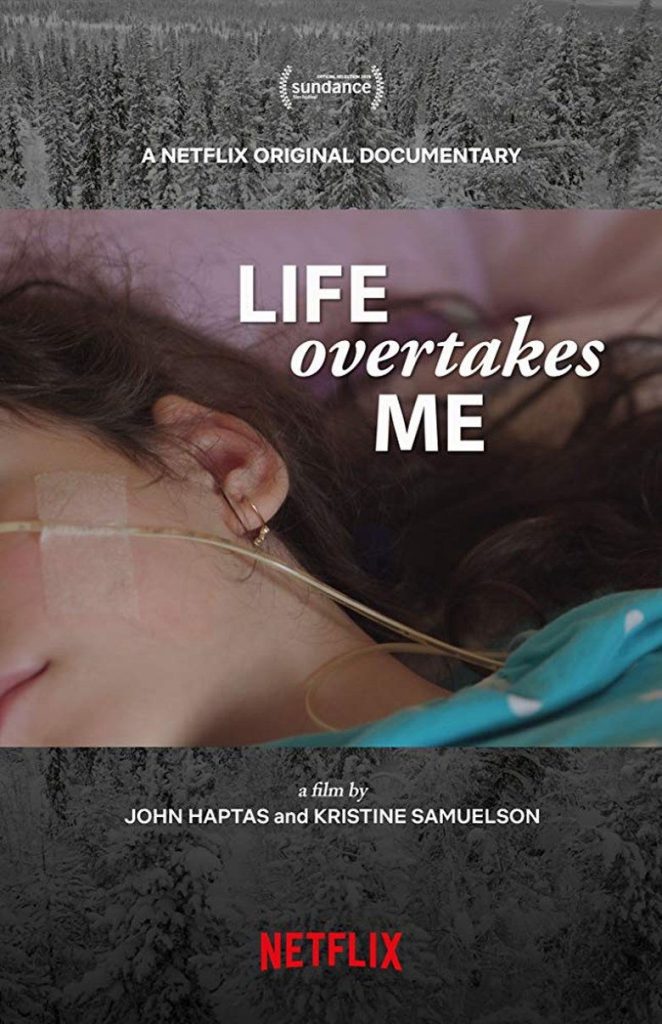
Story overview
This documentary explores Resignation Syndrome, a condition affecting refugee children in Sweden who have experienced severe trauma. These children withdraw into a coma-like state for extended periods when facing deportation threats, highlighting psychological impacts of displacement and trauma.
Parent Guide
A sensitive documentary about trauma in refugee children, suitable for guided viewing with older children to foster empathy and understanding of mental health issues.
Content breakdown
No physical violence shown; peril is psychological, involving threats of deportation and descriptions of past trauma that may cause distress.
Disturbing content includes children in coma-like states, discussions of trauma, and emotional scenes of families in distress; may be unsettling for sensitive viewers.
No offensive language noted; professional and clinical discussion of medical conditions.
No sexual content or nudity present.
No substance use depicted or discussed.
High emotional intensity due to themes of trauma, displacement, and children's suffering; may provoke sadness, anxiety, or empathy in viewers.
Parent tips
Watch with children 8+ to discuss refugee experiences and trauma; preview for sensitive content; use as educational tool on mental health; provide reassurance about safety; be prepared for emotional questions.
Parent chat guide
Parent follow-up questions
—
- What does it mean to feel safe?
- How can we help people who are sad?
- Why might someone stop responding to the world?
- What support do refugees need?
- How does trauma affect the body and mind?
- What are the ethical implications of deportation policies?
- How does Resignation Syndrome compare to other trauma responses?
- What role does community support play in recovery?
🎭 Story Kernel
The film explores Resignation Syndrome, a condition affecting refugee children in Sweden who fall into a coma-like state when faced with deportation. It's not about medical mystery but about the body's ultimate protest against unbearable psychological trauma. The real driver isn't illness but the crushing weight of bureaucratic indifference and the trauma of displacement. These children aren't sleeping—they're withdrawing from a world that has failed to protect them, making their bodies the final site of resistance against systems that would erase their humanity.
🎬 Visual Aesthetics
The cinematography employs a stark, observational style with lingering shots of still children in hospital beds, creating a powerful contrast between their frozen bodies and the frantic bureaucratic processes around them. The color palette leans toward cold blues and sterile whites in medical settings, while family homes feature warmer tones that emphasize what's being lost. Camera movements are minimal and deliberate, forcing viewers to sit with the uncomfortable stillness. The most striking visual motif is the contrast between children's animated drawings of their home countries and their motionless bodies in Sweden.
🔍 Details & Easter Eggs
💡 Behind the Scenes
Directors John Haptas and Kristine Samuelson spent three years gaining trust with affected families, often filming in actual hospital rooms where children were being treated. The documentary faced ethical challenges in portraying vulnerable subjects without exploitation. Several medical professionals featured were initially skeptical about filming but became advocates for raising awareness. The production team worked closely with refugee organizations to ensure accurate representation of the Swedish asylum process.
Where to watch
Choose region:
- Netflix
- Netflix Standard with Ads
Trailer
Trailer playback is unavailable in your region.