
Lightyear (2022)
Story overview
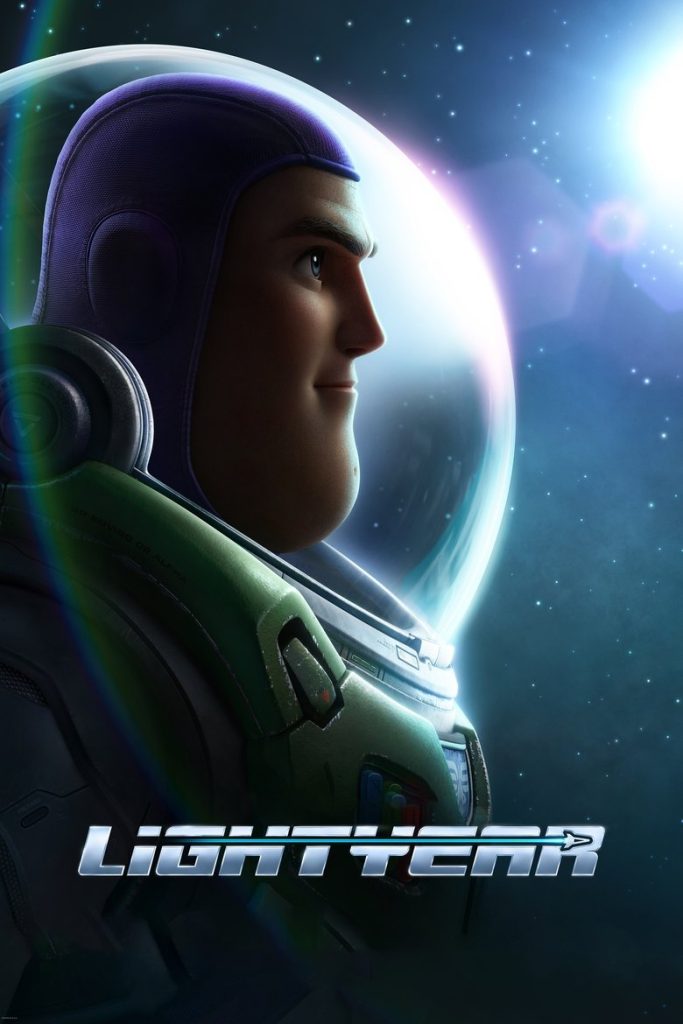
Lightyear follows the iconic Space Ranger Buzz Lightyear as he leads a team of enthusiastic recruits on a thrilling space mission. The story explores themes of teamwork, perseverance, and responsibility through exciting interstellar challenges. With his loyal robot companion Sox by his side, Buzz navigates both physical dangers and emotional growth in this animated adventure.
Parent Guide
A sci-fi adventure with moderate action and positive themes suitable for elementary school children and up.
Content breakdown
Sci-fi action with laser battles, spaceship crashes, and non-graphic peril. No blood or gore.
Some intense action sequences and robot characters might be slightly unsettling for very young viewers.
No offensive language noted.
No sexual content or nudity.
No substance use depicted.
Themes of responsibility, teamwork, and dealing with setbacks create emotional moments.
Parent tips
Lightyear is a family-friendly animated adventure with some intense action sequences and emotional moments. The PG rating reflects moderate peril and sci-fi violence that might be too intense for very young children. Parents should be aware of themes involving responsibility, teamwork, and dealing with failure that provide good discussion opportunities.
Parent chat guide
Parent follow-up questions
- What was your favorite part of the movie?
- How did Buzz help his friends?
- What did you think about the robot Sox?
- What challenges did the team face together?
- How did Buzz show leadership?
- What did you learn about working as a team?
- What qualities make a good leader like Buzz?
- How did characters handle mistakes or failures?
- What does the movie show about responsibility?
- How does the movie portray teamwork under pressure?
- What themes about perseverance did you notice?
- How do the characters grow throughout their journey?
🎭 Story Kernel
At its core, 'Lightyear' explores the psychological toll of time dilation and the burden of heroism. Buzz Lightyear isn't just fighting Zurg—he's battling his own legacy and the consequences of his choices. The film cleverly inverts the traditional hero narrative by making Buzz's greatest enemy time itself. His relentless pursuit to fix his mistake creates a paradox where he becomes both hero and villain in his own story. This isn't about saving the universe; it's about a man learning that sometimes moving forward means accepting failure.
🎬 Visual Aesthetics
The film employs a distinct visual language that blends Pixar's signature warmth with sci-fi austerity. The color palette shifts dramatically—from the sterile blues and grays of the stranded colony to the vibrant, almost psychedelic hyperspace sequences. Camera work during action scenes mimics classic space opera cinematography with sweeping pans and dramatic zooms. Most striking is how the animation subtly ages characters across time jumps, using slight changes in posture and movement rather than obvious wrinkles.
🔍 Details & Easter Eggs
💡 Behind the Scenes
Chris Evans recorded his lines while physically performing many of Buzz's movements in a motion capture suit to bring authenticity to the character's physicality. The film's hyperspace sequences were inspired by 2001: A Space Odyssey's stargate scene, with animators studying real astrophysical phenomena. Director Angus MacLane insisted on practical lighting references, using miniature models with actual lights to achieve the film's distinctive spacecraft illumination effects.
Where to watch
Choose region:
- Disney Plus
- Amazon Video
- Apple TV
- Google Play Movies
- YouTube
- Fandango At Home
Trailer
Trailer playback is unavailable in your region.