
Like Stars on Earth (2007)
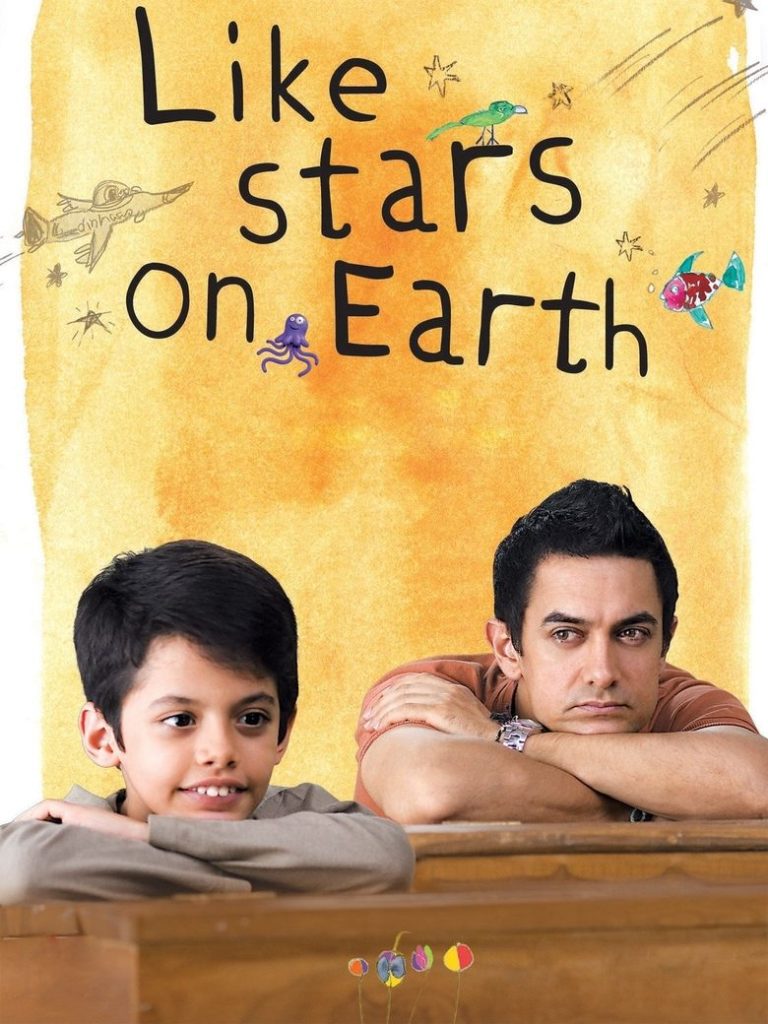
Story overview
This heartfelt drama follows an imaginative eight-year-old boy who struggles in traditional school settings where his unique way of perceiving the world isn't understood or valued. After being sent to boarding school, he encounters a compassionate teacher who recognizes his special talents and helps him overcome his academic challenges. The film explores themes of childhood creativity, educational systems, and the importance of understanding different learning styles.
Parent Guide
A thoughtful family drama about learning differences and educational systems, best for school-aged children with parental guidance for emotional scenes.
Content breakdown
Some scenes show school discipline including mild physical punishment (like being hit with a ruler) and verbal reprimands. The boy experiences bullying from classmates and faces academic pressure.
Emotional scenes show the child feeling isolated, misunderstood, and crying. Some children might find scenes of school punishment or family conflict upsetting.
No offensive language noted.
No sexual content or nudity.
No substance use shown.
Strong emotional themes including a child's feelings of failure, isolation, and family conflict. Several tearful scenes that might affect sensitive viewers.
Parent tips
This film offers an excellent opportunity to discuss learning differences, empathy, and how schools can sometimes fail to recognize individual talents. Parents should be prepared for emotional scenes where the child feels misunderstood, isolated, and faces academic pressure. The movie's length (over 2.5 hours) might require breaks for younger viewers, and some scenes of school discipline and family conflict could prompt discussions about appropriate behavior and communication.
Parent chat guide
Parent follow-up questions
- How did the boy feel when he couldn't do his schoolwork?
- What things did the boy like to look at and think about?
- How did the teacher help the boy feel better?
- What makes you special and different from other people?
- Who helps you when you feel sad or confused?
- Why do you think the boy had trouble in school at first?
- What did the teacher notice about the boy that others missed?
- How did the boy's feelings change from the beginning to the end?
- Have you ever felt misunderstood like the boy did?
- What can we learn about helping friends who learn differently?
- What does this film show about how schools sometimes fail students?
- How did the teacher's approach differ from other adults in the boy's life?
- What strengths did the boy have that weren't recognized initially?
- How does the film portray the relationship between creativity and learning?
- What responsibility do adults have to understand children's unique perspectives?
- How does this film critique traditional educational systems?
- What does the movie suggest about the relationship between artistic talent and academic success?
- How are themes of isolation and belonging explored through the main character's journey?
- What societal pressures on children and families does the film highlight?
- How does the film balance emotional storytelling with social commentary about education?
🎭 Story Kernel
At its heart, 'Like Stars on Earth' is a critique of educational systems that value conformity over comprehension, and a celebration of neurodiversity as a different cognitive constellation rather than a deficit. The film argues that true teaching isn't about filling vessels but igniting sparks—Ram Shankar Nikumbh doesn't just teach Ishaan to read; he teaches him to see his own mind as a landscape of unique patterns. The driving force isn't plot progression but the gradual dismantling of institutional neglect, showing how patience and creative pedagogy can rebuild a child's shattered self-worth. It's ultimately about finding the language to translate one's inner universe to the outside world.
🎬 Visual Aesthetics
The film's visual language masterfully externalizes Ishaan's dyslexia. Scenes of confusion are rendered through shaky, disorienting camerawork and blurred focus, while his imaginative world bursts with hyper-saturated colors, fluid animation, and magical realism—his paintings literally come to life. The color palette shifts from the muted, oppressive grays and blues of his boarding school and failing grades to the warm, vibrant yellows and oranges of his home and artistic triumphs. Key symbols—water, fish, and stars—recur visually: water represents both his drowning in failure and his fluid creativity, while stars mirror the scattered yet beautiful nature of his thought patterns.
🔍 Details & Easter Eggs
💡 Behind the Scenes
The young actor, Darsheel Safary, was reportedly dyslexic in real life, which informed his authentic, non-performative portrayal of Ishaan's struggles. Director Aamir Khan, who also plays Nikumbh, is known for his meticulous research; he spent significant time with dyslexic children and specialists to accurately depict the condition. The film's title in Hindi, 'Taare Zameen Par,' translates more literally to 'Stars on Earth,' directly poetizing the film's core metaphor that children like Ishaan are celestial beings grounded by misunderstanding.
Where to watch
Choose region:
- Google Play Movies
- YouTube
Trailer
Trailer playback is unavailable in your region.