
Lilo & Stitch (2002)
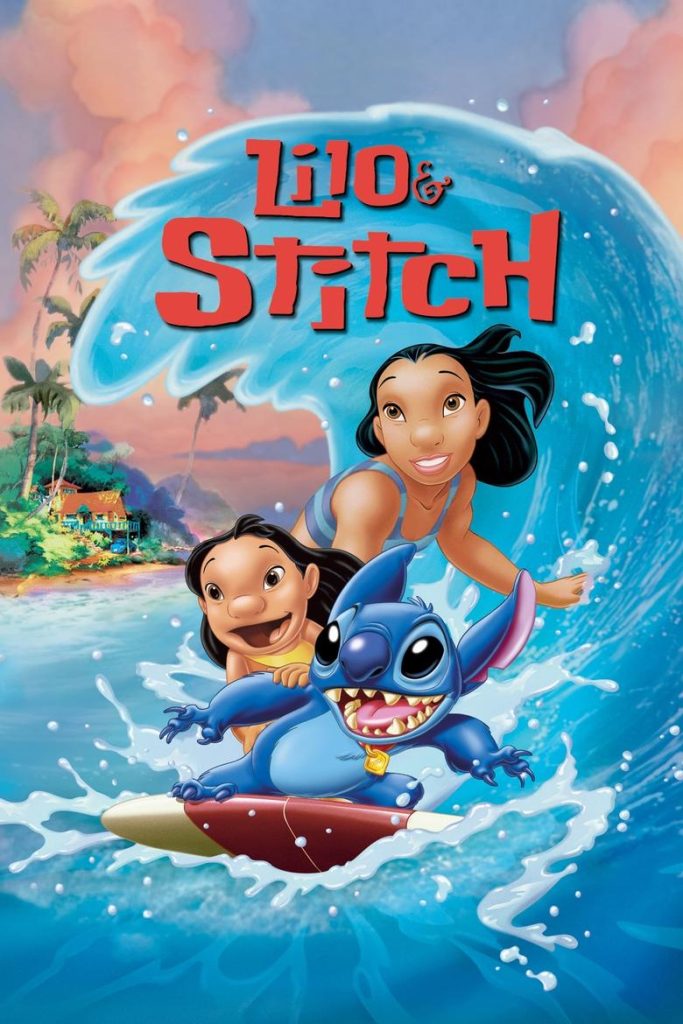
Story overview
Lilo & Stitch is a heartwarming animated film about a lonely Hawaiian girl named Lilo who adopts what she believes is an unusual puppy. This 'puppy' is actually Stitch, a genetically engineered alien creature designed for destruction who has escaped to Earth. Through their adventures together, both characters learn about friendship, family bonds, and the Hawaiian concept of 'ohana, which means family that extends beyond blood relations. The story explores themes of belonging, acceptance, and finding one's place in the world.
Parent Guide
A heartwarming family film with positive messages about acceptance and family, featuring some mild action and emotional themes that are appropriate for most children.
Content breakdown
Contains cartoonish action sequences, alien chases, mild property destruction, and moments where characters are in peril. No graphic violence or injuries shown.
Some intense chase scenes and alien encounters might be momentarily frightening for very young children. Themes of family separation and loss are present but handled sensitively.
No offensive language or profanity.
No sexual content or nudity.
No depiction of substance use.
Contains emotional themes of loneliness, family separation, and responsibility that might resonate with sensitive viewers. Overall tone is uplifting and positive.
Parent tips
This film contains some mild peril and action scenes that might be intense for very young children, including alien chase sequences, mild destruction of property, and moments where characters are in danger. There are also emotional themes of loss and loneliness as Lilo deals with being orphaned and having an unconventional family structure. The PG rating primarily reflects these elements rather than any inappropriate content.
Parents should be aware that the film portrays sibling conflict between Lilo and her older sister Nani, who struggles with the responsibility of raising her younger sister while facing potential separation by social services. These family dynamics provide good opportunities for discussion about responsibility, cooperation, and different family structures.
The film's positive messages about acceptance, forgiveness, and the importance of family (both biological and chosen) are strong and well-presented. The Hawaiian cultural elements are respectfully incorporated and provide educational value about different traditions and values.
Parent chat guide
During viewing, you might pause to discuss how Lilo and Stitch are both feeling lonely and misunderstood, and how they're learning to trust each other. If your child seems concerned during the more intense scenes, reassure them that this is a family movie where problems get resolved. You could also point out examples of characters showing kindness or changing their minds about others.
After the movie, focus conversations on the film's themes of acceptance and family. Ask what your child learned about treating others who seem different, and discuss how we can create our own 'ohana' with friends and community. You might also talk about how characters in the movie made mistakes but were able to learn and grow from them.
Parent follow-up questions
- What was your favorite part of the movie?
- How did Lilo and Stitch become friends?
- What does 'ohana mean to you?
- How did the characters help each other?
- What made you laugh in the movie?
- Why do you think Lilo felt lonely at the beginning?
- How did Stitch change from the beginning to the end?
- What challenges did Nani face as a big sister?
- How did the characters show they cared about each other?
- What did you learn about Hawaiian culture from the movie?
- How does the movie show that families can be created in different ways?
- What do you think the movie is saying about accepting people who are different?
- How did the characters handle difficult situations?
- What responsibilities come with being part of a family?
- How did the setting in Hawaii contribute to the story?
- How does the film explore themes of belonging and identity?
- What commentary does the movie make about social services and family preservation?
- How are traditional Hawaiian values integrated into the modern story?
- What does the film suggest about redemption and second chances?
- How do the characters' relationships evolve throughout the story?
🎭 Story Kernel
At its heart, 'Lilo & Stitch' explores the radical idea that family is not defined by blood or normalcy, but by mutual choice and acceptance of brokenness. Lilo's 'ohana' philosophy isn't sentimental—it's a survival strategy for two orphans navigating grief. Stitch's journey from destructive experiment to family protector mirrors Lilo's own struggle with anger and loneliness. The film suggests that true belonging happens when we stop trying to fix each other and start embracing the messy, imperfect connections that make us whole. Every character is searching for home, and finds it not in returning to what was lost, but in building something new from the wreckage.
🎬 Visual Aesthetics
The film's watercolor backgrounds create a dreamlike, textured Hawaii that feels both nostalgic and immediate—a stark contrast to Stitch's sleek, angular alien design. Camera work emphasizes intimacy in domestic scenes with tight close-ups, while action sequences use dynamic angles that mimic Stitch's chaotic energy. Notice how Lilo's world is painted in warm, faded tones until Stitch arrives, bringing bursts of vibrant blue and electric energy. The visual storytelling cleverly uses Elvis Presley's music not just as soundtrack, but as visual motifs—Lilo's hula performances become her emotional vocabulary, while the aliens' misinterpretation of 'hound dog' creates visual comedy through cultural dislocation.
🔍 Details & Easter Eggs
💡 Behind the Scenes
Directors Chris Sanders and Dean DeBlois intentionally avoided the polished CGI look of other Disney films, opting for hand-painted watercolor backgrounds that required 20% more production time. Sanders originally voiced Stitch himself during storyboarding, and his performance was so compelling they kept him as the final voice. The Hawaiian setting was meticulously researched—animators visited Kauai to capture specific locations, and native Hawaiian consultants ensured cultural accuracy in hula sequences and 'ohana' philosophy. Elvis Presley's estate initially refused music rights until they saw how integrally his songs were woven into Lilo's character development.
Where to watch
Choose region:
- Disney Plus
- Amazon Video
- Apple TV
- Google Play Movies
- YouTube
- Fandango At Home
Trailer
Trailer playback is unavailable in your region.