
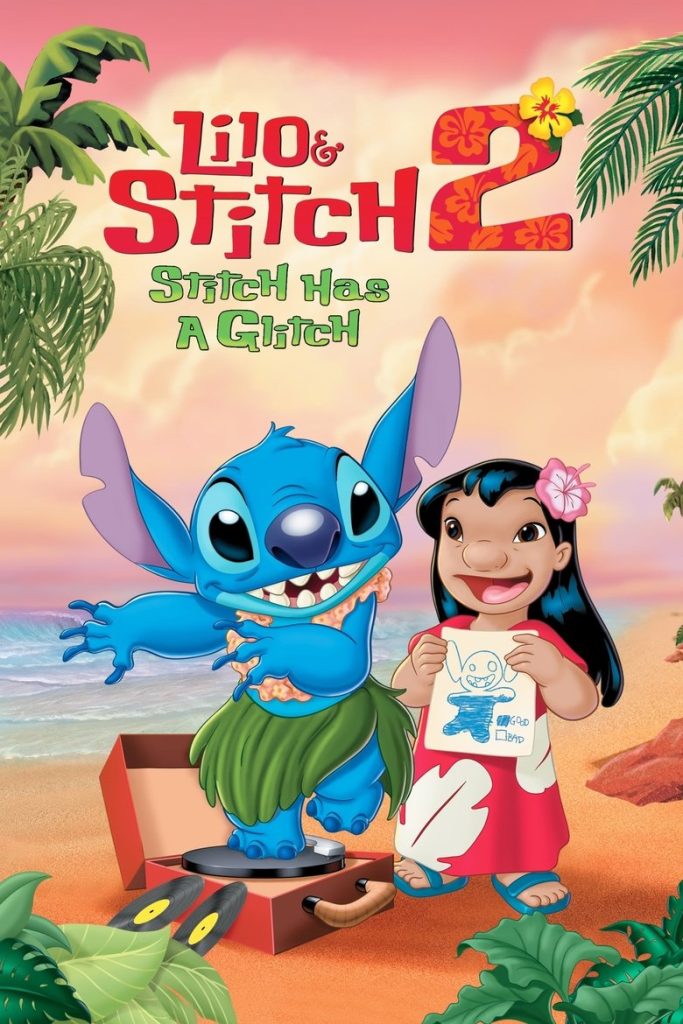
Lilo & Stitch 2: Stitch Has a Glitch (2005)
Story overview
In this animated sequel, Stitch, the lovable but chaotic alien experiment, faces a critical malfunction that reactivates his original destructive programming. As his glitch worsens, it threatens his bond with Lilo and puts his very existence at risk. The story explores themes of friendship, family loyalty, and overcoming internal struggles while maintaining the humor and heart of the original film.
Parent Guide
A family-friendly sequel with positive messages about friendship and acceptance, featuring mild cartoon action and emotional moments that may be intense for preschoolers.
Content breakdown
Cartoonish action sequences with Stitch's destructive behavior (throwing objects, mild chaos). Some peril as Stitch's malfunction threatens his existence, but no real danger to human characters. All action is non-graphic and comedic in tone.
Stitch's malfunction and potential 'shorting out' could be concerning for sensitive young viewers. Some emotional scenes of friendship being tested. No truly frightening imagery or jump scares.
No offensive language. Typical family-friendly dialogue with occasional mild exclamations ('oh no!', 'yikes').
No sexual content or nudity. All characters are appropriately dressed in family-friendly attire.
No depiction of alcohol, drugs, or tobacco use.
Moderate emotional moments as Stitch and Lilo's friendship is tested. Themes of potential loss and malfunction may elicit concern from sensitive viewers. Ultimately resolves with positive messages of loyalty and acceptance.
Parent tips
This film contains mild cartoonish action and peril that may be intense for very young children. The central conflict involves Stitch's malfunction causing him to act against his will, which could be confusing or upsetting for sensitive viewers. Positive themes of 'ohana' (family) and friendship are strongly emphasized throughout. The 68-minute runtime makes it suitable for shorter attention spans.
Parent chat guide
Parent follow-up questions
- What was your favorite part with Stitch?
- How did Lilo help her friend?
- What does 'ohana' mean?
- Why did Stitch start acting differently?
- How did the characters work together to solve the problem?
- What does it mean to be a good friend even when things are hard?
- What does the film say about accepting people's flaws?
- How did Stitch's malfunction represent internal struggles we all face?
- What responsibilities come with being part of a family?
- How does the film handle the theme of nature vs. nurture?
- What commentary does the film make about technology and its unintended consequences?
- How do the characters demonstrate emotional intelligence in difficult situations?
🎭 Story Kernel
At its core, 'Lilo & Stitch 2' explores the terrifying reality of loving someone who is deteriorating before your eyes. While the first film celebrated finding family, this sequel examines what happens when that family begins to unravel due to forces beyond anyone's control. Stitch's glitch isn't just a technical malfunction—it's a metaphor for chronic illness, aging, or mental health struggles within families. Lilo's desperate attempts to 'fix' him mirror how loved ones often respond to decline: with frantic research, alternative solutions, and ultimately, the heartbreaking realization that some things can't be repaired, only accepted. The film's true tension comes not from external threats but from watching Stitch's personality disintegrate while Lilo fights to preserve their connection.
🎬 Visual Aesthetics
The animation maintains the original's watercolor-inspired Hawaiian aesthetic but introduces a crucial visual shift: Stitch's deterioration is portrayed through increasingly erratic, glitch-like movements that contrast sharply with the film's otherwise smooth animation. His blue fur takes on subtle grayish tones during malfunction sequences, visually signaling his decline. The camera work becomes more intimate during quiet moments between Lilo and Stitch, using close-ups that emphasize their emotional bond. Action sequences employ dynamic angles that highlight Stitch's loss of control, with his movements becoming less precise and more chaotic as his glitch progresses. The color palette remains vibrant for Hawaii scenes but adopts colder blues and metallic grays during laboratory sequences, creating visual tension between natural warmth and artificial coldness.
🔍 Details & Easter Eggs
💡 Behind the Scenes
This direct-to-video sequel was produced by DisneyToon Studios rather than Walt Disney Animation Studios, explaining some animation quality differences. Chris Sanders, creator of the original characters, served as executive producer but wasn't as hands-on with this installment. The voice cast saw some changes—Daveigh Chase returned as Lilo, but Stitch's voice actor Chris Sanders was replaced by Ben Diskin for this film. Production occurred during a period when Disney was exploring more direct-to-video sequels, with this film originally conceived as part of a potential trilogy before plans shifted. The hula sequences were choreographed with input from actual hula practitioners to maintain cultural authenticity.
Where to watch
Choose region:
- Disney Plus
- Amazon Video
- Apple TV Store
- Google Play Movies
- YouTube
- Fandango At Home
Trailer
Trailer playback is unavailable in your region.