
Little House: Look Back to Yesterday (1983)
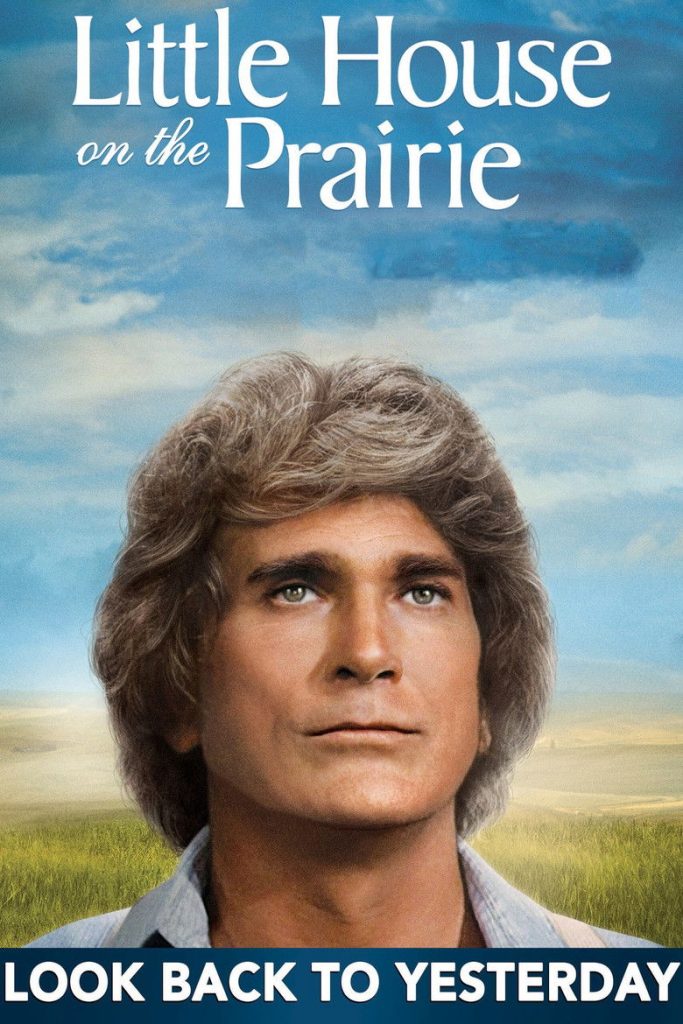
Story overview
In this 1983 TV movie from the 'Little House on the Prairie' series, Albert Quinn Ingalls (played by Dean Butler) aspires to become a doctor but receives devastating news about a terminal illness. He chooses to return to Walnut Grove to spend his remaining time with family and friends. The story intertwines his emotional journey with the local schoolchildren's preparations for their annual mountain-climbing tradition, creating a poignant narrative about community, facing mortality, and finding meaning in life's challenges.
Parent Guide
A gentle family drama dealing with serious themes of terminal illness and mortality within the supportive context of a pioneer community. While emotionally poignant, it contains no graphic content, violence, or inappropriate material.
Content breakdown
No violence or physical peril depicted. The mountain climbing activity is shown as a positive community tradition without dangerous situations.
The theme of terminal illness may be emotionally challenging for sensitive viewers, particularly children who have experienced loss. The illness is discussed but not shown graphically.
No profanity or inappropriate language. Dialogue is family-friendly throughout.
No sexual content or nudity. There may be mild romantic elements typical of family-oriented period dramas.
No depiction of alcohol, tobacco, or drug use.
The central theme of terminal illness creates significant emotional weight, though handled with the gentle sensibility characteristic of the 'Little House' series. Scenes of community support provide emotional balance.
Parent tips
This family drama deals with mature themes of terminal illness and mortality in a gentle, age-appropriate way typical of the 'Little House' series. The emotional content is handled with sensitivity but may require discussion with younger viewers. There's no graphic content, violence, or inappropriate language, making it suitable for family viewing with parental guidance for the serious themes.
Parent chat guide
Parent follow-up questions
- What was your favorite part of the movie?
- How did the children help each other climb the mountain?
- What makes Walnut Grove a nice place to live?
- Why do you think Albert wanted to become a doctor?
- How did the community support Albert when he was sick?
- What does 'terminal illness' mean and how did the movie show people dealing with it?
- How did Albert's illness change his perspective on life?
- What responsibilities do communities have toward sick members?
- How does this movie compare to how serious illness is shown in modern media?
- What ethical considerations surround terminal illness and end-of-life decisions?
- How does this 1983 portrayal of illness compare to contemporary understandings and treatments?
- What role does tradition (like the mountain climbing) play in community resilience during difficult times?
🎭 Story Kernel
At its core, 'Little House: Look Back to Yesterday' explores the psychological toll of unresolved grief and the seductive danger of living in the past. The film isn't about a literal time-travel adventure; it's a character study of Laura Ingalls Wilder confronting the ghost of her childhood self. Her journey back to the Little House isn't driven by curiosity, but by a desperate need to reconcile the romanticized pioneer narrative she sold to the world with the raw, often brutal, reality she actually lived. The movie posits that nostalgia is a form of selective amnesia, and Laura's crisis stems from realizing she may have sanitized her trauma into palatable fiction. The climax isn't an action sequence, but the quiet, devastating moment she chooses which memories to keep and which to finally release.
🎬 Visual Aesthetics
The cinematography masterfully employs a dual visual language. Scenes in the 'present' (1980s) are shot with a cooler, slightly desaturated palette and stable, composed frames, reflecting Laura's controlled, authorial life. In stark contrast, the flashbacks to the Little House are bathed in a warm, golden-hour glow that feels almost too perfect—this is memory as high-gloss fantasy. The camera becomes handheld and intimate during moments of remembered hardship, like the long winter, breaking the idyllic veneer. Key symbolism lies in the recurring motif of windows and doorframes, which act as literal portals between time periods. The most powerful visual choice is the gradual merging of these two color palettes in the final act, visually representing Laura's integration of truth and memory.
🔍 Details & Easter Eggs
💡 Behind the Scenes
This 1983 television movie was part of a series of specials that continued the story of the iconic 'Little House on the Prairie' series after its main run ended. Melissa Gilbert, who played Laura for the entire series, was 19 during filming, portraying Laura in her 60s—a significant age leap aided by prosthetics. The production returned to the familiar Big Sky Ranch in Simi Valley, California, which stood in for Walnut Grove, maintaining visual continuity for fans. The script was developed with input from historians familiar with Laura Ingalls Wilder's real-life later years, blending the fictional TV canon with touches of biographical reality.
Where to watch
Choose region:
- Peacock Premium
- Peacock Premium Plus