
Living the Land (2025)
Story overview
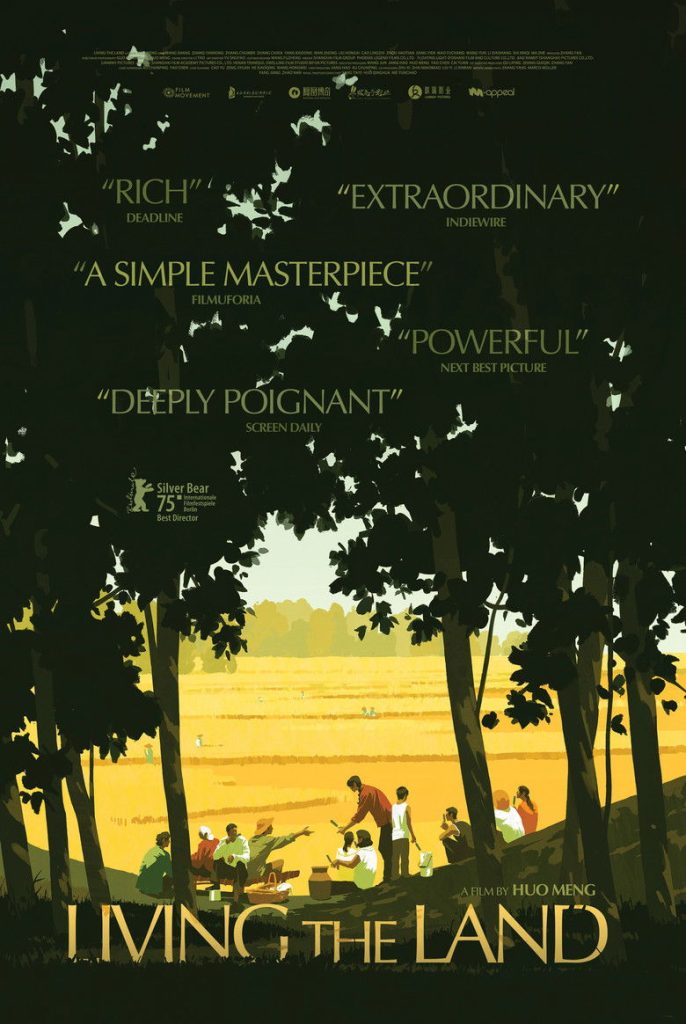
Living the Land is a 2025 Chinese drama-comedy directed by Huo Meng, set in early 1990s rural China. The film follows ten-year-old Chuang, who is being raised by extended family in his village while his parents work far away. The story explores the collision between centuries-old rural traditions and the socio-economic changes sweeping through China during this period, focusing on themes of family, cultural transition, and childhood resilience.
Parent Guide
A gentle family drama exploring rural Chinese life and cultural transition. Suitable for most children with parental guidance for cultural context.
Content breakdown
No violence or peril depicted. The film focuses on daily life and emotional experiences.
Nothing scary or disturbing. Some children might find the theme of parental absence emotionally resonant but not frightening.
No offensive language. Dialogue is in Mandarin Chinese with possible English subtitles.
No sexual content or nudity. The film maintains a family-appropriate tone throughout.
No substance use depicted. The film portrays traditional rural life without modern vices.
Mild emotional themes related to family separation and cultural change. The tone is generally warm and observational rather than intensely dramatic.
Parent tips
This film provides a gentle, thoughtful look at rural Chinese life and family dynamics during a period of significant change. While there are no concerning content elements, the themes of parental absence and cultural transition may require explanation for younger viewers. The 132-minute runtime and slower pacing might challenge younger children's attention spans. Consider watching together to discuss the cultural context and family relationships depicted.
Parent chat guide
Parent follow-up questions
- What animals did you see in the village?
- What games did the children play?
- What colors did you see in the countryside?
- Who was taking care of Chuang?
- Why do you think Chuang's parents had to work far away?
- What traditions did you notice in the village?
- How did the village look different from where we live?
- What did Chuang learn from his extended family?
- How does the film show the tension between tradition and change?
- What challenges does Chuang face being raised by extended family?
- How does the setting (early 1990s China) affect the story?
- What does the film suggest about different definitions of family?
- How does the film portray rural-urban migration in 1990s China?
- What commentary does the film make about economic development versus cultural preservation?
- How does Chuang's experience reflect broader societal changes?
- What cinematic techniques does the director use to convey the passage of time and tradition?
Where to watch
Streaming availability has not been announced yet.