
Living with Leopards (2024)
Story overview
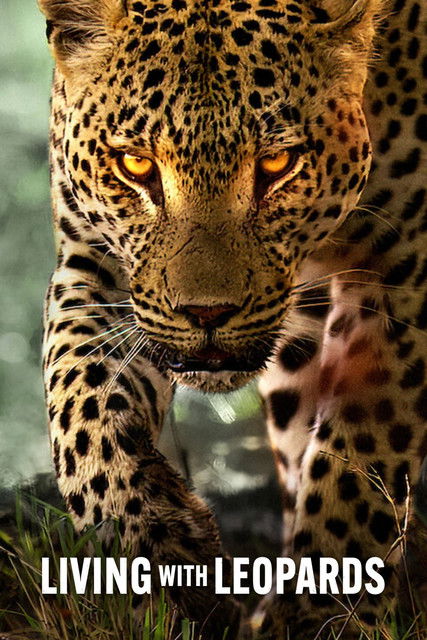
Living with Leopards is a 2024 nature documentary that intimately follows two leopard cubs from infancy to adulthood in the wilds of Botswana. Through stunning cinematography, the film captures their growth, learning experiences, and natural behaviors as they navigate the challenges of their environment.
Parent Guide
Educational nature documentary with realistic wildlife footage showing natural behaviors including hunting and survival challenges. No human violence or inappropriate content.
Content breakdown
Natural predator behaviors shown including hunting scenes (leopards catching prey animals) and occasional animal conflicts. No graphic gore, but realistic nature footage.
Some scenes may be intense for sensitive viewers as they show natural survival challenges. Predator-prey interactions and occasional animal distress could be unsettling for younger children.
No dialogue beyond possible narrator commentary. No offensive language.
No sexual content. Natural animal nudity as typical in wildlife documentaries.
No substance use depicted.
Moderate emotional moments related to animal survival and natural challenges. Some scenes may evoke concern for the animals' wellbeing.
Parent tips
This documentary offers a beautiful, educational look at wildlife, but parents should be aware that it depicts natural predator behaviors and survival challenges. It's best suited for children who can understand nature's realities without becoming overly distressed. Consider watching together to discuss the circle of life and conservation themes.
Parent chat guide
Parent follow-up questions
- What did you like about the baby leopards?
- What sounds did the animals make?
- What colors did you see in nature?
- How do the leopard cubs learn to survive?
- What challenges do they face growing up?
- Why is it important to protect animals like leopards?
- What adaptations help leopards survive in their environment?
- How does the documentary show the balance of nature?
- What did you learn about leopard behavior and family structure?
- How does this documentary approach wildlife observation ethically?
- What conservation issues affect leopard populations today?
- How does the film's cinematography enhance our understanding of these animals?
🎭 Story Kernel
Living with Leopards transcends the traditional wildlife documentary format by weaving a deeply personal coming-of-age narrative centered on two leopard cubs in the Okavango Delta. Rather than focusing solely on the mechanics of predation, the film explores the profound vulnerability inherent in the transition from protected infancy to solitary adulthood. It captures the delicate balance between maternal instinct and the harsh necessity of independence. The core theme is the relentless cycle of nature—where every lesson learned is a prerequisite for survival, and every failure carries the weight of mortality. It’s an intimate study of resilience, illustrating how these apex predators are shaped not just by instinct, but by the specific challenges of their environment and the legacy of their lineage. The film effectively humanizes the struggle without anthropomorphizing the subjects, grounding the story in the brutal, beautiful reality of the wild.
🎬 Visual Aesthetics
Alex Parkinson employs a hyper-intimate cinematographic style that places the viewer within the leopards' immediate sensory bubble. Utilizing long-lens photography and low-angle shots, the film achieves a sense of proximity that feels almost intrusive yet remains deeply respectful. The color palette is dominated by the golden hues of the Botswana savannah, contrasted sharply with the dappled shadows of the riverine forests where the leopards seek refuge. Symbolism is found in the recurring motif of the climb—representing both safety and the literal ascent to the top of the food chain. The visual storytelling excels in capturing the minute physical changes in the cubs as they mature, from their clumsy, oversized paws to the sleek, muscular precision of their adult forms. The editing maintains a rhythmic tension, mirroring the patient, coiled energy of a leopard on the hunt.
🔍 Details & Easter Eggs
💡 Behind the Scenes
Living with Leopards is a collaboration between director Alex Parkinson and renowned wildlife filmmaker Brad Bestelink. The production team spent years on the ground in Botswana, utilizing specialized tracking techniques to maintain constant visual contact with the leopard family without habituating them to human presence. Unlike many nature documentaries that use composite footage from various locations, this film is strictly localized to the Okavango Delta, providing a geographically consistent look at the ecosystem. The project benefited from the latest in high-frame-rate camera technology, allowing for the incredibly detailed slow-motion sequences of hunting maneuvers that define the film's high-stakes visual language.
Where to watch
Choose region:
- Netflix
- Netflix Standard with Ads
Trailer
Trailer playback is unavailable in your region.