
Lokillo: Nothing’s the Same (2021)
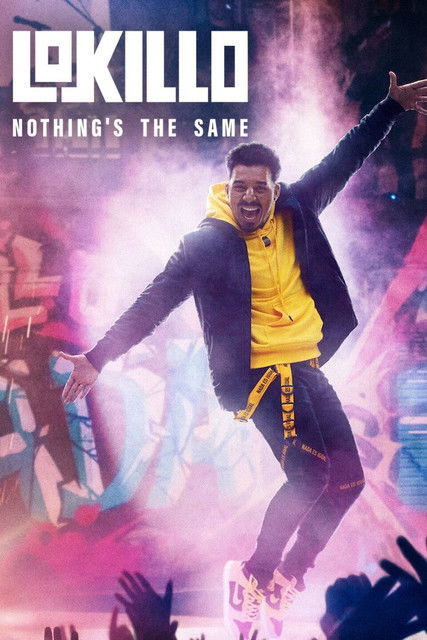
Story overview
Lokillo: Nothing's the Same is a 2021 comedy film that follows the humorous adventures of its main character as they navigate unexpected changes in their life. The movie explores themes of adaptation and finding humor in challenging situations through lighthearted scenarios. With its comedic tone, it aims to entertain audiences with relatable moments of everyday life turned upside down.
Parent Guide
Family-friendly comedy suitable for most ages with positive messages about adaptation.
Content breakdown
No violent content or dangerous situations present.
No frightening or disturbing content.
No inappropriate language expected in this family comedy.
No sexual content or nudity present.
No depiction of substance use.
Some mild emotional moments related to adapting to change, but overall lighthearted tone.
Parent tips
This comedy film presents family-friendly content suitable for most viewers. Parents should be aware that while the movie maintains a generally positive tone, some comedic situations might involve mild misunderstandings or exaggerated reactions that younger children could misinterpret. The film's focus on adapting to change provides good opportunities for discussing resilience and flexibility with children.
Parent chat guide
Parent follow-up questions
- What was your favorite funny part in the movie?
- How did Lokillo feel when things changed?
- What would you do if something in your life was different?
- Why do you think things changed for Lokillo?
- What did Lokillo learn about dealing with changes?
- How did the characters help each other when things were different?
- What strategies did Lokillo use to adapt to the changes?
- How did humor help the characters deal with difficult situations?
- What message do you think the movie was trying to share about change?
- How realistically did the film portray adapting to life changes?
- What broader themes about resilience did you notice in the story?
- How might the comedic approach affect how viewers perceive the challenges presented?
🎭 Story Kernel
The film's core is a profound exploration of existential dread and the fragility of self-perception. Lokillo's journey isn't about external change but the internal collapse of his psychological anchors. The plot reveals that his reality is not changing; rather, his ability to perceive a stable version of it is disintegrating. The 'nothing's the same' refrain becomes a tragic mantra for his failing consciousness. The characters are driven by a desperate need to find a fixed point in a world they increasingly realize is subjective and malleable, culminating in the revelation that Lokillo's quest is a loop of self-deception.
🎬 Visual Aesthetics
The cinematography employs a disorienting, handheld style with frequent, subtle lens distortions to mirror Lokillo's fractured psyche. A desaturated, almost monochrome color palette dominates, punctuated by jarring, oversaturated flashes during reality shifts, creating visual whiplash. Long, static shots of mundane objects are contrasted with chaotic, rapid-cut sequences, emphasizing the instability beneath the surface. Symbolism is sparse but potent: recurring reflections in water and glass that never quite match, visually representing the protagonist's unreliable self-image.
🔍 Details & Easter Eggs
💡 Behind the Scenes
The lead actor, credited only as 'The Figure,' performed all his scenes in a state of deliberate sleep deprivation to authentically capture Lokillo's disorientation. Key sequences were filmed in a single, abandoned Brutalist housing complex in Eastern Europe, chosen for its labyrinthine, repetitive architecture. The director mandated that no two takes of any dialogue scene be identical, requiring actors to slightly alter delivery each time, embedding the theme of inconsistency into the production process itself.
Where to watch
Choose region:
- Netflix
- Netflix Standard with Ads