
Long Shot (2017)
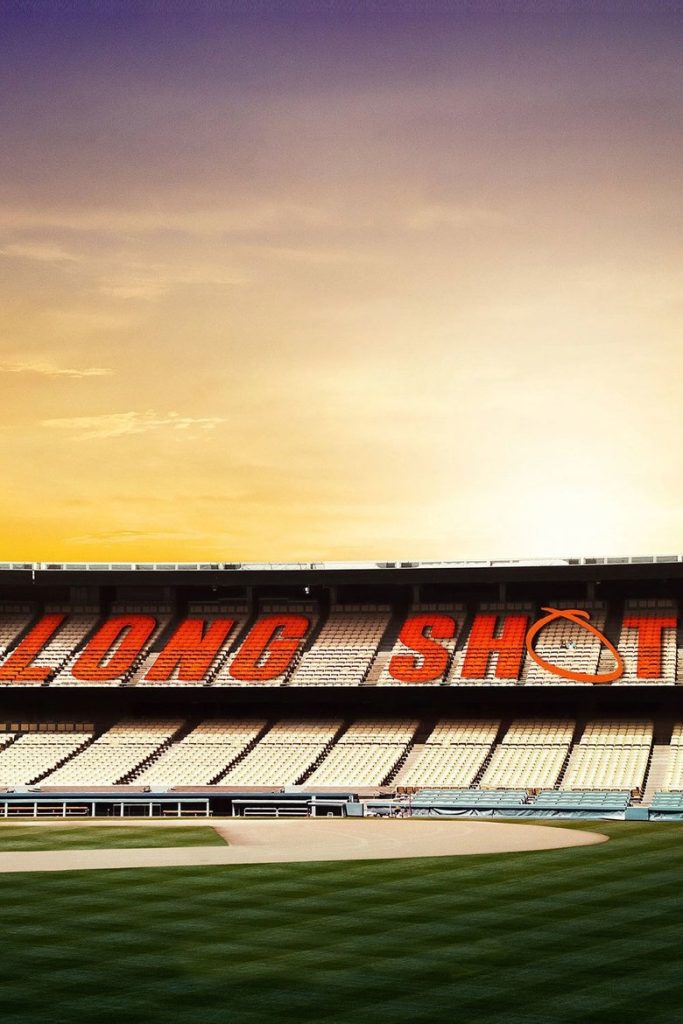
Story overview
Long Shot is a 2017 documentary that explores a true crime case. The film examines the complexities of the justice system through real events and interviews. It presents factual information about criminal investigations and legal proceedings.
Parent Guide
Documentary about true crime with mature themes suitable for older teens.
Content breakdown
Discussions of criminal acts and investigations, but no graphic violence shown.
Themes of crime and justice may be unsettling for sensitive viewers.
May contain occasional strong language typical of crime documentaries.
No sexual content or nudity expected in this documentary.
No substance use depicted or discussed.
Serious themes about crime and justice may create emotional engagement.
Parent tips
This documentary deals with crime themes that may be too mature for younger viewers. The TV-14 rating suggests content may be inappropriate for children under 14. Consider previewing the film or watching with older teens to discuss the real-world implications of the case.
Parent chat guide
Parent follow-up questions
- What is a documentary?
- What do police officers do?
- What does it mean to be safe?
- How do documentaries tell true stories?
- Why is it important to follow rules?
- What are some ways people solve problems?
- What makes a documentary different from a movie?
- How do investigators gather evidence?
- Why is fairness important in the justice system?
- How do documentaries shape public perception of crime?
- What ethical considerations exist in true crime storytelling?
- How reliable are different types of evidence in investigations?
🎭 Story Kernel
At its core, 'Long Shot' is a sharp satire about authenticity versus electability in modern politics, wrapped in a romantic comedy. The film explores what happens when personal identity must be negotiated against public perception. Charlotte's journey isn't about finding love—it's about rediscovering her true self beneath the polished political persona. Fred's role as the 'authentic' writer forces her to confront how much of herself she's sacrificed for power. Their relationship becomes a metaphor for the tension between staying true to one's values and adapting to succeed in a system that rewards conformity. The movie asks: Can you maintain integrity while playing the political game?
🎬 Visual Aesthetics
The cinematography cleverly mirrors the film's class divide—Charlotte's world is shot with crisp, sterile compositions and cool blue tones, reflecting her controlled political environment. Fred's scenes feature warmer, more chaotic framing with handheld camerawork that captures his messy authenticity. The contrast is most evident during the drug trip sequence, where vibrant, surreal visuals symbolize their temporary escape from societal constraints. Costuming serves as visual storytelling: Charlotte's power suits gradually soften as she reconnects with her younger self, while Fred's wardrobe evolves from sloppy to polished as he enters her world. The film's visual language consistently reinforces the central tension between authenticity and performance.
🔍 Details & Easter Eggs
💡 Behind the Scenes
Seth Rogen and Charlize Theron had previously worked together on 'The Addams Family' animated films, but this marked their first live-action collaboration. Director Jonathan Levine encouraged improvisation, particularly during the drug trip scene where Theron's genuine laughter at Rogen's antics made the final cut. The film's political speeches were written by actual speechwriters to ensure authenticity, with Theron studying Hillary Clinton's mannerisms without directly imitating her. Several scenes were shot during actual political events to capture authentic crowd reactions, including at the United Nations headquarters in New York.
Where to watch
Choose region:
- Netflix
- History Vault
- Netflix Standard with Ads
Trailer
Trailer playback is unavailable in your region.