
Loop (2020)
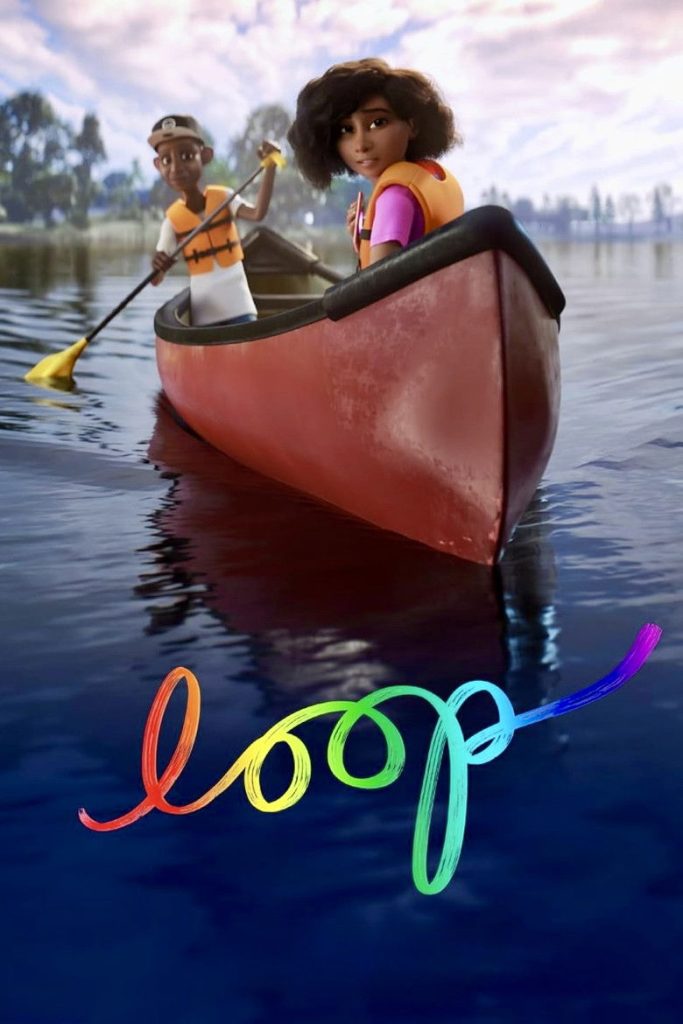
Story overview
Loop is a 10-minute animated short film from Pixar's SparkShorts series that follows a canoeing trip where a non-verbal autistic girl named Renee and a chatty boy named Marcus must work together to navigate an urban lake. Through their journey, the film beautifully portrays how they learn to communicate and understand each other's different perspectives on the world, emphasizing empathy, patience, and neurodiversity in a gentle, family-friendly narrative.
Parent Guide
Loop is a heartwarming, educational short film suitable for all ages, with a PG rating for very mild thematic elements. It promotes positive values of empathy, communication, and neurodiversity without any concerning content. The 10-minute runtime makes it easy to watch and discuss as a family.
Content breakdown
No violence or peril. The canoeing trip is calm and safe, with no dangerous situations or conflicts.
Nothing scary or disturbing. The animation is bright and friendly, and the story focuses on positive interactions.
No offensive language. Dialogue is minimal and appropriate, consisting of friendly conversation and supportive remarks.
No sexual content or nudity. Characters are dressed appropriately for outdoor activity.
No substance use. The story involves a simple canoe trip in a natural setting.
Mild emotional moments related to understanding and connection, but overall uplifting and gentle. Some children might feel empathetic toward the characters' journey of learning to communicate.
Parent tips
This short film offers a wonderful opportunity to discuss neurodiversity and communication with children. Before watching, you might explain that people experience the world in different ways, and that's okay. During viewing, point out how Renee and Marcus learn from each other without words. Afterward, ask your child how they think the characters felt and what they learned about friendship. The film's positive message about understanding differences makes it ideal for sparking conversations about empathy and inclusion.
Parent chat guide
Parent follow-up questions
- What did you like about the canoe ride?
- How did Renee and Marcus become friends?
- Can you show me how they paddled together?
- Why do you think Marcus talked so much at first?
- How did Renee communicate without words?
- What did they learn from each other on the trip?
- What does this film teach us about understanding people who are different from us?
- How might Renee's experience of the world be unique?
- Why is nonverbal communication important in this story?
- How does Loop challenge stereotypes about autism?
- In what ways does the film portray empathy and connection?
- What broader messages about inclusion and diversity does this short convey?
🎭 Story Kernel
At its core, 'Loop' is a meditation on communication beyond language, where a non-speaking autistic girl and a hearing boy must collaborate on a canoe trip. The film dismantles assumptions about disability by showing how Lola's sensory experience of the world—her attention to textures, sounds, and patterns—becomes their survival toolkit. Their journey isn't about fixing her but about Marcus learning to perceive differently. The real conflict isn't wilderness versus civilization but rigid expectations versus fluid understanding, culminating in a partnership where their differences create a unique language of gestures, rhythms, and mutual observation.
🎬 Visual Aesthetics
The film employs a sensory-first visual language, with close-ups on hands touching water, bark, and fabric that mirror Lola's tactile engagement with the world. Cinematographer Adam Silver shifts between Marcus's perspective (stable, conventional framing) and Lola's (dynamic, texture-focused shots that privilege peripheral details). The color palette moves from cool, muted tones in urban scenes to vibrant, saturated greens and blues in nature, visually marking their emotional opening. Water reflections and ripples serve as recurring motifs, symbolizing both the distortion and clarity in their communication.
🔍 Details & Easter Eggs
💡 Behind the Scenes
The role of Lola is played by Madison Bandy, a non-speaking autistic actress, marking a significant step in authentic casting. Director Erica Milsom worked closely with autism consultants and incorporated improvisation based on Bandy's reactions to the natural environment. The canoe scenes were filmed on location in British Columbia's temperate rainforest, with the production using practical effects for water sequences to maintain the tactile authenticity central to the story.
Where to watch
Choose region:
- Disney Plus