
Lords of Scam (2021)
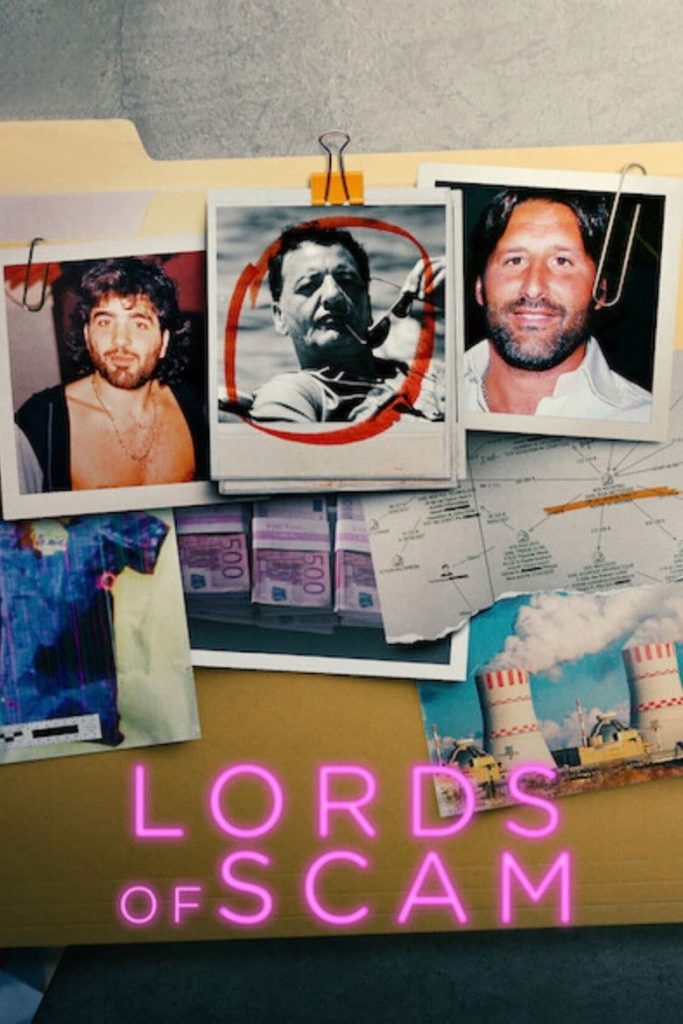
Story overview
This 2021 French documentary examines a real-life financial crime case where individuals exploited the European Union's carbon quota system through fraudulent schemes, leading to significant financial gains before their eventual downfall and betrayal among accomplices. It focuses on the mechanics of the scam, legal proceedings, and the personal stories of those involved.
Parent Guide
Documentary about real financial fraud with no graphic content but complex themes of crime, betrayal, and legal consequences. Suitable for mature viewers who can understand white-collar crime concepts.
Content breakdown
No physical violence or peril depicted. The documentary focuses on financial crimes and legal proceedings.
Some viewers might find the concept of large-scale fraud and betrayal disturbing, but there are no frightening visuals or intense scenes.
May contain occasional mild language related to the criminal context, but no strong profanity is expected in this documentary format.
No sexual content or nudity present.
No depiction of substance use.
Moderate emotional intensity due to themes of betrayal, legal consequences, and the unraveling of criminal schemes. The documentary maintains a factual tone but deals with serious subject matter.
Parent tips
This documentary deals with complex financial fraud and white-collar crime, which may be difficult for younger viewers to understand. The content involves discussions of illegal activities, legal consequences, and interpersonal betrayal, but contains no graphic violence, strong language, or explicit content. Best suited for mature middle schoolers and teenagers who can grasp the ethical and legal implications.
Parent chat guide
Parent follow-up questions
—
- What is a scam?
- Why is it wrong to take money that isn't yours?
- What happens when people break the law?
- How did the carbon quota system work?
- What made this particular scam possible?
- Why do you think the scammers eventually betrayed each other?
- What were the legal consequences shown in the documentary?
- What systemic vulnerabilities allowed this fraud to occur?
- How does this case reflect broader issues in financial regulation?
- What ethical dilemmas did the participants face?
- How does the documentary portray the psychology of white-collar criminals?
- What parallels exist between this case and other financial scandals?
🎭 Story Kernel
At its core, 'Lords of Scam' isn't about carbon credit fraud; it's a chilling autopsy of systemic failure. The film posits that the real crime wasn't the scam itself, but the system's eagerness to be scammed. The characters are driven not by cartoonish greed, but by a profound understanding that modern finance is a theater of credibility, not value. They succeed not by being criminal masterminds, but by perfectly mimicking the language, aesthetics, and confidence of legitimate high finance. The documentary's true horror lies in revealing how the machinery of global capitalism is so hollow that a convincing performance is all it takes to extract millions, questioning who the real 'lords' are.
🎬 Visual Aesthetics
The film employs a stark, almost clinical visual language, mirroring the cold mechanics of the fraud. Interviews are framed in sterile, corporate-style offices or against plain backgrounds, visually equating the scammers with any other businessman. Archival footage and news clips are presented without romanticization, their grainy quality highlighting the banality of the crime. There's a deliberate lack of cinematic glamour; the 'action' is in boardrooms and courtrooms, captured with static, observant shots. The color palette is muted—greys, blues, and beiges—emphasizing the bureaucratic, paper-pushing reality of a multi-million-euro scheme. This aesthetic choice reinforces the central thesis: this wasn't a heist movie; it was a paperwork exploit.
🔍 Details & Easter Eggs
💡 Behind the Scenes
The documentary is a French production directed by brothers Julien and Nicolas Desbois, who spent years investigating the complex case. Much of the compelling access comes from the cooperation of convicted scammer Cédric Mourrut, who became a central interviewee. The filmmakers had to navigate intricate legal and financial jargon to make the scheme comprehensible, often using simple graphics to demystify the process. The project faced challenges in securing clearances for certain archival news footage, which is why some clips retain original network watermarks, adding a layer of verité. The title 'Lords of Scam' is a direct, ironic play on the self-aggrandizing perception the scammers had of their own cleverness within the system they gamed.
Where to watch
Choose region:
- Netflix
- Netflix Standard with Ads