
Lorena: Light-Footed Woman (2019)
Story overview
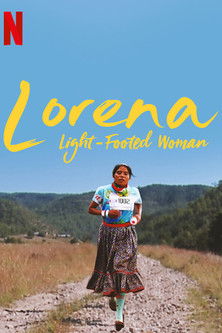
This 2019 Mexican documentary follows Lorena Ramirez, a young woman from the Tarahumara indigenous community in Mexico, known for their exceptional long-distance running abilities. The film showcases how Lorena wins ultramarathons wearing traditional sandals, highlighting her cultural heritage, determination, and connection to her environment. It's an inspiring portrait of athletic achievement rooted in tradition.
Parent Guide
A positive, inspiring documentary suitable for most families. No concerning content; focuses on cultural and athletic themes.
Content breakdown
No violence or peril depicted. The film shows running competitions in a non-confrontational way.
Nothing scary or disturbing. The tone is uplifting and documentary-style.
No offensive language. Dialogue is in Spanish (with subtitles), focusing on interviews and narration about Lorena's life.
No sexual content or nudity. Lorena wears traditional and athletic clothing appropriate for running.
No depiction of substance use.
Mild emotional intensity related to Lorena's achievements and cultural pride. It's inspiring rather than intense.
Parent tips
This documentary is family-friendly and educational, focusing on cultural heritage and athletic perseverance. It's suitable for most ages, but younger children might need help understanding the subtitles (Spanish with English subtitles). The short runtime (28 minutes) makes it accessible. Use it to discuss indigenous cultures, sportsmanship, and overcoming challenges.
Parent chat guide
Parent follow-up questions
- Did you like seeing Lorena run?
- What do you think about her sandals?
- Can you run like Lorena?
- Why is Lorena's running amazing?
- How does her culture help her run?
- What does 'ultramarathon' mean?
- How does Lorena's story challenge stereotypes about athletes?
- What role does tradition play in her success?
- Why is this documentary important?
- Discuss the intersection of indigenous identity and modern sports.
- How does the film address cultural appropriation or recognition?
- What broader social issues does Lorena's story highlight?
🎭 Story Kernel
The film is less a biography of ultrarunner Lorena Ramírez and more an expression of a fundamental human drive to move through space as an act of being. It rejects conventional narratives of 'overcoming adversity' or 'sports glory.' Instead, it posits that Lorena's running is not a means to an end, but the end itself—a form of prayer, identity, and connection to her Rarámuri heritage and the Copper Canyon landscape. Her motivation isn't trophies or fame; it's the intrinsic need to run, a compulsion as essential as breathing. The film asks what it means to be truly free, suggesting that freedom is found not in escaping circumstance, but in the rhythmic, painful, and beautiful act of moving forward within it.
🎬 Visual Aesthetics
The cinematography is an act of empathy, often shooting from Lorena's shoulder or following her feet, making the viewer a companion in her stride. The color palette is dominated by the earthy ochres, dusty blues, and deep greens of the Sierra Madre, with Lorena's vibrant traditional skirts creating a moving focal point—a splash of cultural identity against the vast terrain. The camera lingers on textures: cracked earth, sweat on skin, the weave of her huaraches. There are no slow-motion hero shots; the action is captured in a raw, vérité style that emphasizes endurance over spectacle. The landscape is not a backdrop but a character, its imposing scale highlighting both her solitude and her profound belonging.
🔍 Details & Easter Eggs
💡 Behind the Scenes
Lorena Ramírez is not a professional actor but a member of the Rarámuri community, known for their long-distance running prowess. The documentary was shot on location in the Copper Canyons of Chihuahua, Mexico. Director Juan Carlos Rulfo employed a small, agile crew to run alongside Lorena during sequences, capturing the immersive, breathless perspective. Notably, Lorena often runs in her traditional dress and handmade huarache sandals made from recycled tire rubber, not specialized running shoes, a detail central to her story. The film's sparse, observational style aligns with Rulfo's documentary background, prioritizing authenticity over cinematic embellishment.
Where to watch
Choose region:
- Netflix
- Netflix Standard with Ads