
Lost Empire of Persia (2022)
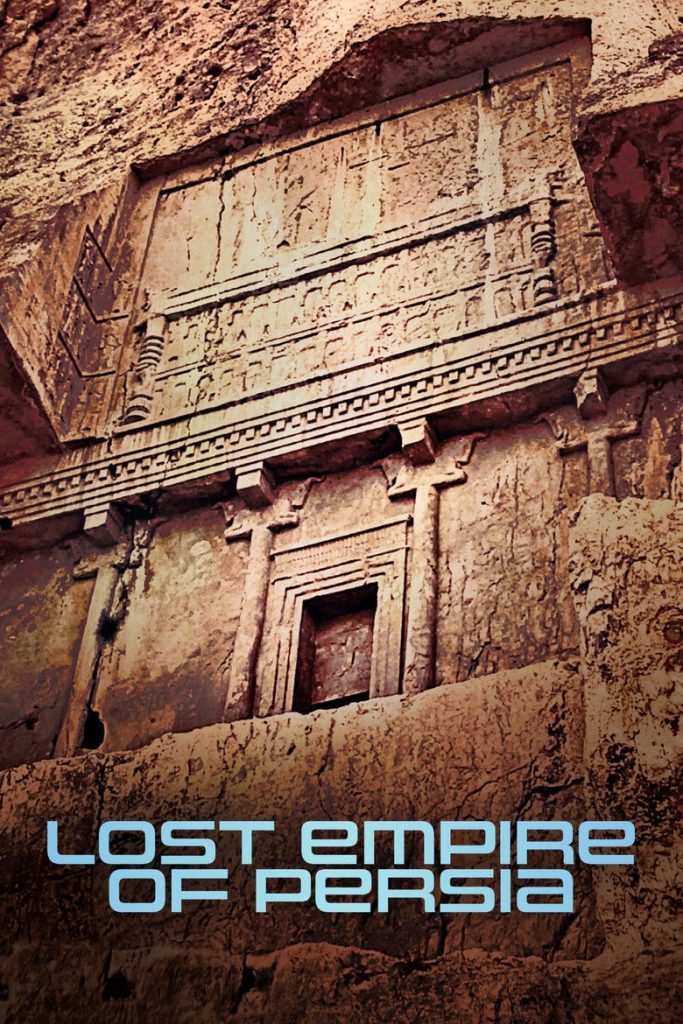
Story overview
This documentary explores ancient Persian history through archaeological discoveries at Persepolis and the Thermopylae battlefield, using modern forensic techniques to uncover secrets of these lost cities.
Parent Guide
Educational documentary suitable for school-aged children with no concerning content. Presents historical information through archaeological investigation.
Content breakdown
Mentions historical battles but shows no graphic violence. May include archaeological remains or artifacts from battle sites.
No scary or disturbing content. Focuses on scientific investigation and historical facts.
No inappropriate language. Uses academic and documentary-style narration.
No sexual content or nudity. Focuses on archaeological and historical subjects.
No depiction or discussion of substance use.
Mild emotional content related to historical events. May discuss ancient civilizations and their achievements/decline.
Parent tips
This educational documentary focuses on historical archaeology without graphic content. Suitable for children interested in ancient history, it presents factual information through expert analysis and archaeological findings.
Parent chat guide
Parent follow-up questions
- What tools do archaeologists use?
- What did you see in the old cities?
- What colors did you see in the pictures?
- How do scientists know how old things are?
- What was interesting about Persepolis?
- Why were cities built in ancient times?
- What forensic techniques were used in the documentary?
- How does archaeology help us understand history?
- What can we learn from studying ancient battles?
- How does modern technology change our understanding of ancient Persia?
- What historical biases might affect how we interpret these findings?
- How do archaeological discoveries impact contemporary cultural understanding?
🎭 Story Kernel
At its core, 'Lost Empire of Persia' is less about rediscovering ancient wealth and more about the modern corruption it exposes. The film's true driver isn't historical curiosity but contemporary greed, as the archaeologist protagonist's initial idealism is systematically dismantled by the consortium funding his expedition. Each character is motivated by a different form of possession: the academic seeks legacy, the mercenary seeks payment, the corporate sponsor seeks monopolistic control over historical narrative. The plot's tension derives from watching these conflicting desires collide around artifacts that become mere MacGuffins in a larger game of power. The empire isn't lost; it's being actively repurposed as a commodity.
🎬 Visual Aesthetics
The cinematography creates a deliberate visual dichotomy: sweeping drone shots of desert landscapes contrast with claustrophobic, handheld sequences inside ruins, mirroring the conflict between epic ambition and grim reality. A desaturated color palette dominated by sand tones and shadowy blues evokes both historical distance and emotional detachment. Action sequences are shot with a gritty, practical realism—stunt work emphasizes weight and consequence over flashy choreography. Symbolism emerges through recurring visual motifs: shattered pottery that mirrors broken alliances, and modern GPS devices superimposed over ancient maps, highlighting the tension between discovery and exploitation.
🔍 Details & Easter Eggs
💡 Behind the Scenes
Principal photography took place in the Wadi Rum desert in Jordan, often called 'Valley of the Moon,' which doubled for multiple Persian Empire locations. The lead actor, who played the archaeologist, actually completed a certified archaeology short course to understand field methods, though most 'artifacts' were 3D-printed replicas. A sandstorm delayed production for three days, and some of that authentic, disorienting footage was incorporated into the final cut. The film's climactic tomb set was the largest built interior in the studio's history, taking 14 weeks to construct only to be dramatically collapsed during filming.
Where to watch
Choose region:
- HBO Max
- Discovery +