
Lost Ladies (2024)
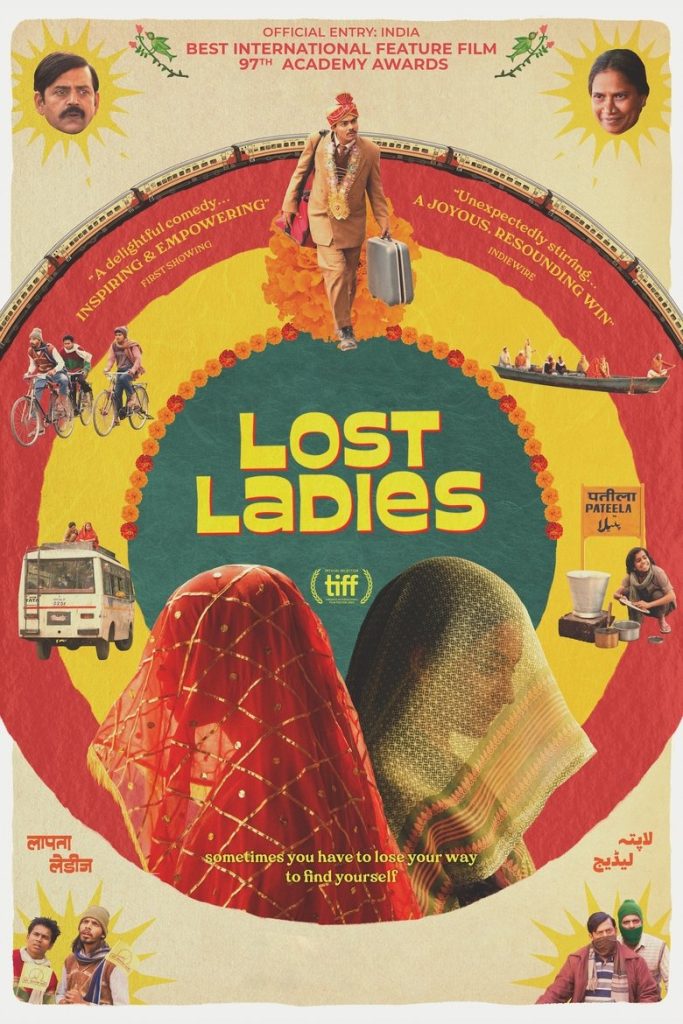
Story overview
Lost Ladies is a 2024 comedy-drama romance film following a group of women navigating life's challenges and relationships. The story explores themes of friendship, personal growth, and romantic connections through lighthearted and emotional moments. With its TV-14 rating, it presents mature content suitable for teenage audiences and older.
Parent Guide
TV-14 comedy-drama with romantic elements suitable for mature teenagers. Contains themes requiring parental guidance for younger viewers.
Content breakdown
May include minor conflicts or tense situations typical of relationship dramas
Emotional scenes and relationship conflicts may be intense for sensitive viewers
May contain mild language consistent with TV-14 rating
Romantic themes and situations appropriate for teenage audiences
No substance use content indicated
Relationship dynamics and personal struggles create emotional moments
Parent tips
This TV-14 rated film contains content that may be inappropriate for younger children. Parents should preview the movie or watch with their teenagers to discuss the mature themes presented. The comedy-drama format blends humor with emotional situations that may require guidance for younger viewers.
Parent chat guide
Parent follow-up questions
- What was your favorite funny part?
- How did the friends help each other?
- What colors did you see in the movie?
- Did you see any happy faces?
- What music did you like?
- What made the characters good friends?
- How did they solve their problems?
- What was the funniest scene?
- How did people show they cared?
- What would you do in a similar situation?
- How did the characters grow during the story?
- What challenges did friendships face?
- How was humor used in serious moments?
- What made the romantic relationships healthy or unhealthy?
- What life lessons did characters learn?
- How realistically did the film portray relationships?
- What social dynamics were explored?
- How did comedy balance the dramatic elements?
- What insights did you gain about personal growth?
- How did character development reflect real-life experiences?
🎭 Story Kernel
Set in 2001, the film uses a comedic premise—two brides swapped on a train—to dismantle the systemic erasure of women's identities. While Phool represents the traditional bride thrust into a world where she must find her own way back, Jaya represents the modern aspiration trapped within regressive customs. The narrative moves beyond the 'lost and found' trope to explore how patriarchal structures, symbolized by the ghunghat (veil), render women interchangeable and invisible. It is a story about the reclamation of the self, where the journey home becomes a journey toward agency. The film subtly critiques the 'ideal woman' archetype, suggesting that true empowerment lies in the freedom to choose one's path, whether it be education or domesticity, provided it is a choice made with an unmasked face and a recognized name.
🎬 Visual Aesthetics
The cinematography captures the rustic charm of the fictional Nirmal Pradesh using a warm, saturated palette that evokes a sense of nostalgia and grounded realism. The visual motif of the veil is central; it acts as a soft-focus barrier that dictates the characters' limited perspectives and social invisibility. Director Kiran Rao utilizes the railway station as a liminal space—a crossroads of destiny where the characters are stripped of their social safety nets. The framing often places the women against vast, open landscapes, highlighting their vulnerability and the daunting scale of their newfound independence. Symbolism is found in the smallest objects, like the organic fertilizer or the wedding jewelry, which represent the collision of traditional expectations with scientific aspiration. The lighting transitions from the dim, shadowed interiors of the train to the bright, clarifying sunlight of the outdoors, mirroring the characters' internal awakenings.
🔍 Details & Easter Eggs
💡 Behind the Scenes
Lost Ladies (Laapataa Ladies) marks Kiran Rao’s second directorial venture, arriving thirteen years after her debut film, Dhobi Ghat. The screenplay is based on an award-winning story by Biplab Goswami, which was discovered through a scriptwriting competition. To ensure an authentic rural atmosphere, the film was shot on location in the Sehore district of Madhya Pradesh, with several local residents cast in minor roles. Produced by Aamir Khan Productions, the film intentionally cast fresh faces—Nitanshi Goel, Pratibha Ranta, and Sparsh Shrivastava—to maintain a sense of realism and prevent star personas from overshadowing the narrative's simplicity.
Where to watch
Choose region:
- Netflix
- Netflix Standard with Ads
Trailer
Trailer playback is unavailable in your region.