
Lost on Everest (2020)
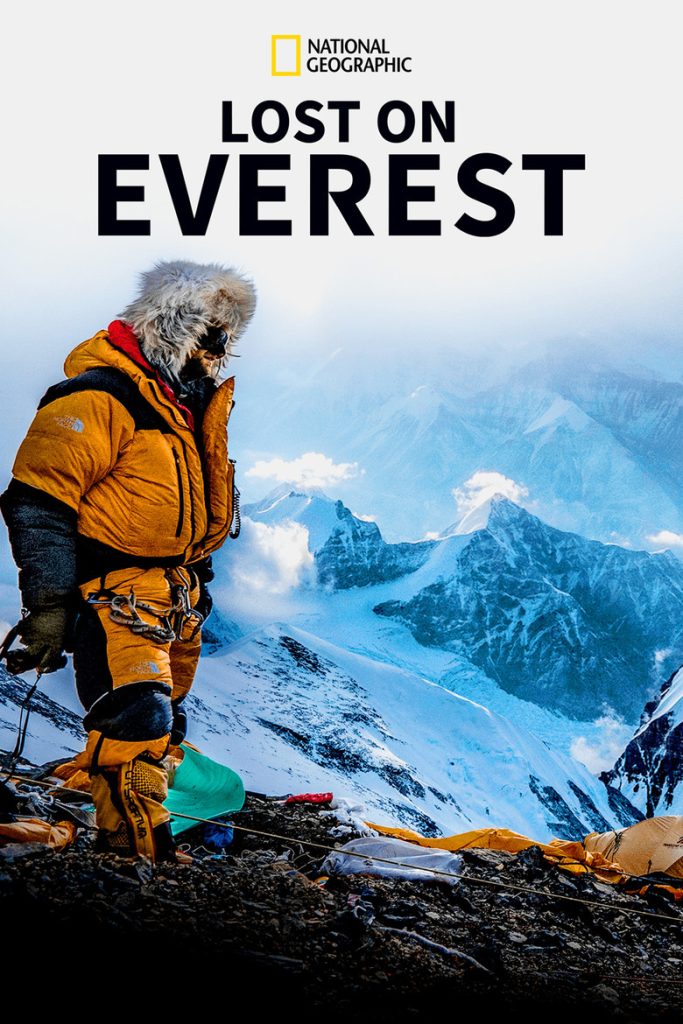
Story overview
Lost on Everest is a documentary that explores the mysterious disappearance of climbers on Mount Everest. It examines the harsh conditions and dangers of high-altitude mountaineering through interviews, archival footage, and expert analysis. The film delves into the challenges of search and rescue operations in extreme environments while maintaining a respectful tone toward the subject matter.
Parent Guide
A documentary about mountain climbing dangers suitable for older children with parental guidance.
Content breakdown
Discussion of life-threatening situations and potential fatalities in wilderness settings.
Themes of disappearance and danger in extreme environments may be unsettling.
No offensive language expected in documentary format.
No sexual content or nudity.
No substance use depicted or discussed.
Serious subject matter handled respectfully without intense dramatization.
Parent tips
This documentary deals with themes of danger and mortality in a wilderness setting, which may be unsettling for younger viewers. The film presents real-life peril without graphic imagery, focusing on the mystery and investigation aspects. Consider watching together to discuss safety, preparation, and respect for nature.
Parent chat guide
Parent follow-up questions
- What did you see in the snow?
- How do people stay warm on mountains?
- What sounds did you hear in the movie?
- Why is climbing Everest so difficult?
- What equipment do climbers need?
- How do rescuers help people on mountains?
- What makes Everest expeditions particularly dangerous?
- How does altitude affect the human body?
- What ethical questions arise in high-risk adventures?
- How does the documentary balance mystery with respect for subjects?
- What role does human error play in mountain disasters?
- How do cultural perspectives influence risk-taking behavior?
🎭 Story Kernel
Lost on Everest is less about conquering nature and more about confronting the emotional baggage we carry into extreme situations. The core theme explores how isolation and physical peril strip away social facades, forcing characters to confront their personal failures and relationships. The real antagonist isn't the mountain, but the unresolved guilt and fractured bonds between the climbers. Each character's drive stems from a desperate need for redemption—whether from past climbing accidents, broken marriages, or professional disgrace—making their ascent a metaphorical climb toward self-forgiveness that proves more treacherous than the icefalls.
🎬 Visual Aesthetics
The film employs a stark visual dichotomy: intimate, shaky close-ups during emotional revelations contrast with sweeping, static wide shots of the Himalayan landscape that dwarf human figures. A desaturated blue-gray palette dominates, punctuated only by the bright oranges of climbing gear—visualizing how human ambition appears as fragile, artificial spots against indifferent nature. The camera often lingers on frozen faces mid-confession, while avalanche sequences use disorienting Dutch angles and rapid cuts to mirror psychological collapse. Symbolically, recurring shots of fraying ropes and melting ice anchors serve as subtle reminders of deteriorating trust.
🔍 Details & Easter Eggs
💡 Behind the Scenes
Principal filming occurred in the Austrian Alps using practical effects for climbing scenes, with actors undergoing months of technical training. The lead actor actually developed mild frostbite during the summit sequence shoot, which was incorporated into the final edit. Notably, the production consulted with real Everest survivors for psychological authenticity, and the oxygen mask close-ups were filmed using modified vintage aviation equipment to avoid modern brand visibility.
Where to watch
Choose region:
- Disney Plus