
Lou (2017)
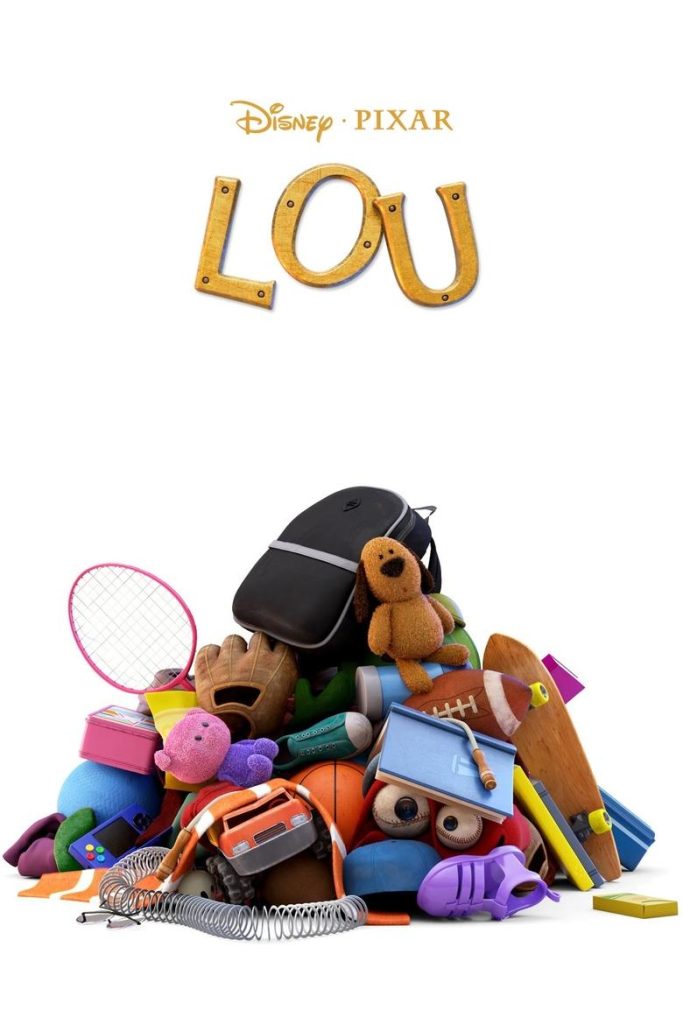
Story overview
Lou is a charming Pixar short film about a lost-and-found box at an elementary school playground. The story follows a mysterious creature living inside the box who helps children retrieve their lost items. Through playful interactions, the short explores themes of sharing, empathy, and community. This brief animated tale delivers its message with humor and heart in just six minutes.
Parent Guide
A wholesome Pixar short with positive messages about kindness and sharing, perfectly safe for all ages.
Content breakdown
No violence or peril present in this gentle story.
The 'monster' mentioned in the overview is friendly and helpful, not scary.
No inappropriate language.
No sexual content or nudity.
No substance use depicted.
Gentle emotional content focused on positive feelings and resolution.
Parent tips
Lou is a gentle, family-friendly short perfect for young viewers. The G rating indicates it contains no concerning content, making it suitable for all ages. Parents can expect positive messages about kindness and consideration for others woven into the lighthearted story. The short runtime makes it an ideal choice for brief viewing sessions or as an introduction to Pixar's storytelling style.
Parent chat guide
Parent follow-up questions
- What was your favorite part of the story?
- How did the characters help each other?
- Have you ever lost something like the children in the story?
- What makes you feel happy when you share?
- What color was the lost-and-found box?
- What do you think the story teaches us about sharing?
- Why is it important to be kind to others?
- How did the characters show they cared about each other?
- What would you do if you found something that wasn't yours?
- How can we help friends who feel sad about losing something?
- What message do you think the filmmakers wanted to share?
- How does the short film show that everyone has value?
- What does the story suggest about community and helping others?
- How might this story apply to situations at school or with friends?
- What creative techniques did the animators use to tell the story?
- What themes about empathy and community does this short explore?
- How does the animation style contribute to the storytelling?
- What might the lost-and-found box symbolize in the story?
- How does this short compare to other Pixar films in its messaging?
- What creative choices made the story effective despite its brief runtime?
🎭 Story Kernel
At its core, 'Lou' explores the dual nature of trauma as both prison and catalyst. Lou's journey isn't just about rescuing a child from a kidnapper—it's about rescuing herself from the emotional fortress she's built. Every decision she makes is driven by unprocessed grief from losing her daughter, which manifests as both her ruthless survival skills and her emotional detachment. The film suggests that sometimes we must confront external threats to finally face internal ones, with the wilderness serving as a brutal therapist forcing characters to shed their protective layers.
🎬 Visual Aesthetics
The film employs a desaturated Pacific Northwest palette dominated by grays, blues, and muddy browns that mirror the characters' emotional states. Handheld camerawork during chase sequences creates visceral urgency, while static shots in Lou's cabin emphasize her isolation. The storm isn't just weather—it's a visual manifestation of internal turmoil, with rain and wind becoming characters themselves. Action sequences are brutally practical rather than stylized, emphasizing survival over spectacle, with every injury having tangible consequences that linger visually.
🔍 Details & Easter Eggs
💡 Behind the Scenes
Allison Janney performed most of her own stunts after intensive training, including the challenging terrain sequences. Filming took place in British Columbia's remote wilderness, with the cast and crew living on location to enhance authenticity. The storm sequences used practical effects whenever possible, with wind machines and rain towers creating the extreme weather rather than relying solely on CGI. Director Anna Foerster specifically chose the Pacific Northwest for its moody, atmospheric quality that becomes a character in itself.
Where to watch
Choose region:
- Disney Plus
- Apple TV
- Google Play Movies
- YouTube
- Fandango At Home
Trailer
Trailer playback is unavailable in your region.