
Louis Armstrong’s Black & Blues (2022)
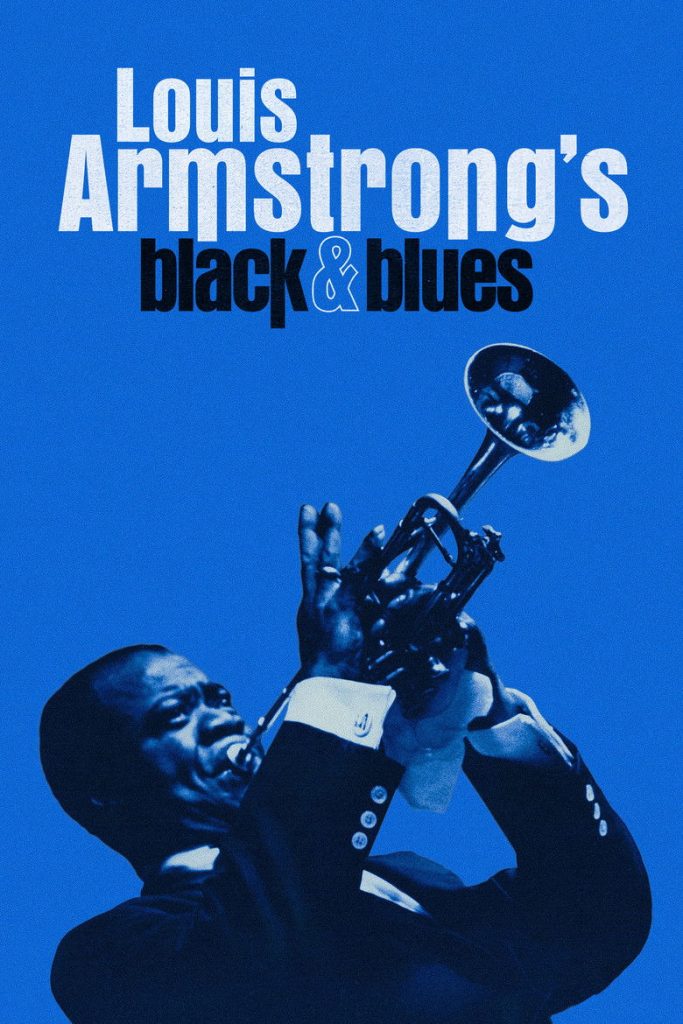
Story overview
This documentary offers an intimate look at jazz legend Louis Armstrong's life through his personal recordings and archival footage, revealing his journey from musical prodigy to civil rights advocate and global icon.
Parent Guide
A thoughtful documentary suitable for mature audiences interested in music history and civil rights, with minimal concerning content beyond language.
Content breakdown
No violence depicted; includes discussion of historical racial tensions but no graphic imagery.
Mildly disturbing themes related to historical racism and segregation, presented in an educational context.
Occasional strong language in archival recordings or discussions, consistent with the R rating.
No sexual content or nudity.
Mild references to historical alcohol or tobacco use, not glorified.
Moderate emotional intensity from discussions of racial injustice and Armstrong's personal struggles.
Parent tips
The R rating is primarily for language; the film includes historical racial themes and occasional strong language. Best for mature tweens and teens who can appreciate its historical context.
Parent chat guide
Parent follow-up questions
—
- What instrument did Louis Armstrong play?
- What made his music special?
- How did Armstrong use his fame to address civil rights?
- Why were his personal recordings important?
- How did Armstrong balance his public persona with his private activism?
- What does his legacy teach us about art and social change?
🎭 Story Kernel
The documentary isn't merely a biography of Louis Armstrong; it's an exploration of how he weaponized his art and persona to navigate and subtly challenge a racist society. The driving force is Armstrong's conscious decision to maintain a public, 'Uncle Tom' smile while using his global platform, his voice, and later, his private tape recordings to document the injustices he faced. The film argues that his perceived 'accommodation' was a complex, strategic performance that allowed him to become one of America's first Black multimedia superstars, thereby forcing white America to embrace a Black man as a national treasure on his own artistic terms.
🎬 Visual Aesthetics
The visual language masterfully contrasts public spectacle with private reality. Archival concert footage is vibrant and kinetic, showcasing Armstrong's electric stage presence. This is starkly juxtaposed with grainy, intimate home movies and still photographs that reveal a more contemplative man. The most powerful technique is the use of Armstrong's own voice—from his revolutionary trumpet solos to his scat singing and, crucially, his privately recorded spoken tapes—as the primary narrative driver. The camera often lingers on his face, especially his famous smile, reframing it from a simple expression of joy to a complex mask and a tool of survival.
🔍 Details & Easter Eggs
💡 Behind the Scenes
The documentary is directed by Sacha Jenkins, known for his work on music-centric films like 'Wu-Tang Clan: Of Mics and Men.' A significant portion of the audio material comes from Armstrong's extensive personal collection of reel-to-reel tape recordings, which he used as a private audio diary. These tapes, many digitized for this project, provide the unprecedented private narrative that structures the film. Key archival research was done at the Louis Armstrong House Museum in Queens, New York, where Armstrong lived for the last decades of his life.
Where to watch
Choose region:
- Apple TV
- Apple TV Amazon Channel
Trailer
Trailer playback is unavailable in your region.