
Luca (2021)
Story overview
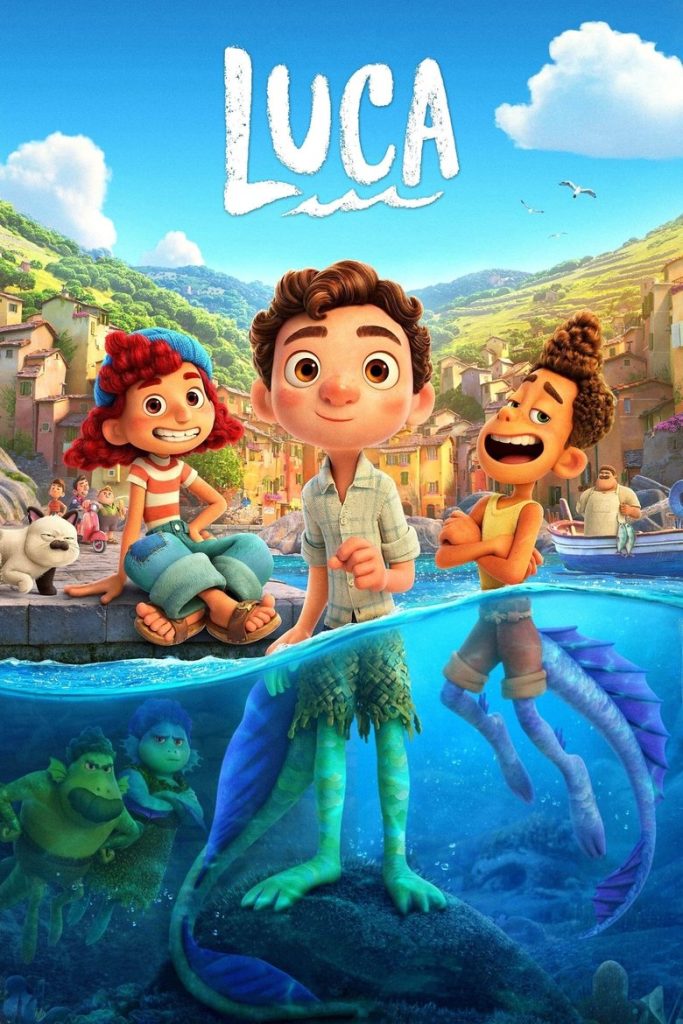
Luca is a 2021 animated film about a young sea monster who dreams of exploring the human world. He befriends another sea monster named Alberto, and together they venture to a small Italian coastal village while hiding their true identities. The story follows their summer adventures, friendships with local children, and the challenges of keeping their secret while experiencing human life.
Parent Guide
A charming animated adventure with positive messages about friendship and acceptance, suitable for most children with some mild fantasy peril.
Content breakdown
Some fantasy action scenes with characters in mild peril, including chases and confrontations where sea monsters are threatened by humans. No physical violence or injuries shown.
Mildly intense moments when characters' secret identities are nearly revealed or when they face prejudice. Some scenes with angry villagers might be concerning for very young viewers.
No offensive language or profanity present in the film.
No sexual content, romance, or nudity. The film focuses on friendship and adventure themes.
No depiction of alcohol, drugs, or tobacco use.
Some emotional moments related to friendship, identity, and acceptance. Characters experience feelings of fear, excitement, and belonging that are age-appropriate.
Parent tips
This film explores themes of friendship, identity, and acceptance in a gentle, family-friendly way. The PG rating primarily reflects some mild peril and fantasy action scenes that might be intense for very young viewers. The story presents positive messages about being true to oneself and overcoming prejudice through understanding.
Parents should know the film includes some scenes where characters face danger from humans who fear sea monsters, though these moments are resolved positively. The emotional themes of hiding one's identity and fear of rejection are handled sensitively but may prompt discussions about belonging and acceptance.
Parent chat guide
After the movie, focus conversations on the film's themes of acceptance and courage. Ask how the characters showed bravery in being themselves, and discuss real-life situations where people might feel different or need to be accepted for who they are. Relate the story's messages to your child's experiences with friendship and understanding others.
Parent follow-up questions
- What was your favorite part of the movie?
- How did Luca and Alberto become friends?
- What colors did you see in the ocean scenes?
- Was it scary when the characters were hiding?
- What made you laugh in the movie?
- Why did Luca want to visit the human world?
- How did keeping a secret affect the characters' friendship?
- What did the human children learn about sea monsters?
- When did characters show bravery in the story?
- What made the Italian village look interesting?
- How did the film show the importance of accepting differences?
- What challenges did Luca face in balancing two worlds?
- How did the community's fear affect the story's events?
- What did the characters learn about friendship through their adventures?
- How did the setting contribute to the story's themes?
- How does the film explore themes of identity and belonging?
- What parallels can you draw between the sea monsters' experience and real-world situations?
- How did the film handle the tension between tradition and exploration?
- What commentary does the story make about prejudice and understanding?
- How did the friendship dynamics evolve throughout the narrative?
🎭 Story Kernel
At its core, 'Luca' is about the terrifying, exhilarating process of self-discovery that requires leaving one's safe, familiar world behind. Luca's journey from the ocean to Portorosso mirrors the universal adolescent experience of venturing beyond parental protection to forge an independent identity. The sea monsters represent not just literal otherness, but any hidden aspect of self that society might reject. The film's true conflict isn't between humans and monsters, but between authenticity and conformity—Luca must choose between hiding his true nature to belong or risking rejection to live fully. The Vespa represents more than transportation; it symbolizes the freedom to define one's own path beyond inherited limitations.
🎬 Visual Aesthetics
The animation masterfully employs a sun-bleached, impressionistic color palette that feels like a childhood summer memory. Portorosso's vibrant, slightly exaggerated architecture contrasts with the cool, mysterious depths of the ocean, visually reinforcing the surface world's allure. Director Enrico Casarosa's background in storyboarding shines through in the economical yet expressive character animation—notice how Luca's body language shifts from timid, hunched postures underwater to confident, open gestures on land. The water effects deserve particular praise: when characters are dry, the ocean shimmers with magical realism; when wet, it becomes a threatening, identity-revealing substance. The film's visual rhythm alternates between leisurely establishing shots of Italian coastal life and frenetic, almost Looney Tunes-style chase sequences.
🔍 Details & Easter Eggs
💡 Behind the Scenes
Director Enrico Casarosa based Portorosso on his childhood summers in Genoa, specifically the Cinque Terre region. The film's development name was 'Luca di Mare' (Luca of the Sea). Composer Dan Romer recorded the score using traditional Italian instruments like the accordion and mandolin to enhance authenticity. The sea monster designs were inspired by Renaissance maps depicting mythical sea creatures rather than traditional monster aesthetics. Voice actor Jacob Tremblay recorded his lines while actually floating in water to capture Luca's authentic underwater vocal quality. The animation team studied how light refracts through Mediterranean water to create the unique underwater lighting effects.
Where to watch
Choose region:
- Disney Plus
- fuboTV
- Amazon Video
- Apple TV
- Google Play Movies
- YouTube
- Fandango At Home
Trailer
Trailer playback is unavailable in your region.