
Luckiest Girl Alive (2022)
Story overview
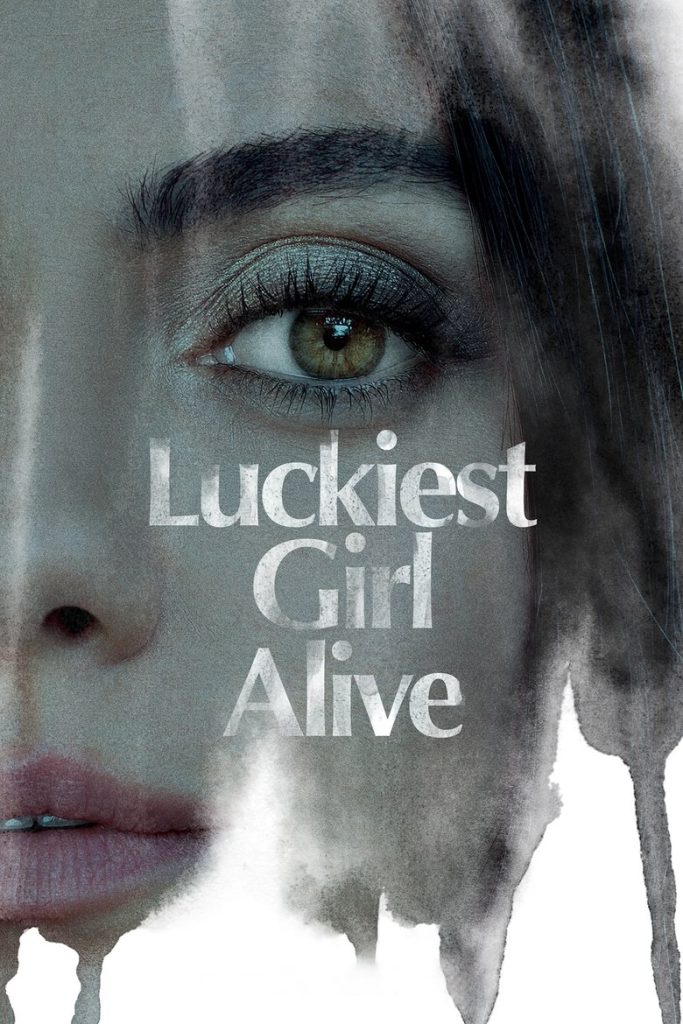
Luckiest Girl Alive (2022) is a psychological drama-thriller that follows Ani, a successful magazine editor in New York City who appears to have a perfect life. As she prepares for her wedding, a true-crime documentary forces her to confront a traumatic high school shooting and sexual assault from her past. The film explores themes of trauma, identity, and the facades people create to survive, with flashbacks revealing the dark truth behind her carefully constructed present.
Parent Guide
This is a mature psychological thriller with intense themes of trauma, violence, and sexual assault. The R rating reflects graphic content unsuitable for viewers under 17 without parental guidance. The film's exploration of dark subject matter requires emotional maturity to process.
Content breakdown
Graphic depiction of a school shooting with multiple victims shown being shot. Flashbacks show the shooting in detail with blood and injuries. A sexual assault scene is shown through disturbing implications and aftermath. Physical fights and aggressive confrontations occur. The violence is central to the plot and psychologically intense.
Extremely disturbing content including school shooting trauma, sexual assault aftermath, psychological manipulation, and graphic violence. The film creates sustained tension and anxiety through its thriller elements. Themes of trauma recovery and gaslighting are emotionally heavy. Flashbacks to traumatic events are visceral and unsettling.
Strong language throughout including f-words, s-words, and other profanity. Sexual references and crude language occur in dialogue. The language reflects the intense emotional states of characters dealing with trauma.
Sexual assault is a central plot element, shown through implications and aftermath rather than explicit depiction. Sexual references and discussions about assault occur throughout. Some passionate kissing and intimate scenes. Brief partial nudity in non-sexual contexts (changing clothes). The sexual content is psychologically charged rather than erotic.
Social drinking at parties and events. Characters drink alcohol in several scenes, including at bars and social gatherings. Some smoking shown. No illegal drug use depicted. Substance use is background rather than central to the plot.
High emotional intensity throughout dealing with trauma, guilt, anxiety, and psychological unraveling. The main character experiences panic attacks, dissociation, and emotional breakdowns. Themes of surviving violence and assault create sustained psychological tension. The film explores dark emotional territory that may be triggering for some viewers.
Parent tips
This R-rated film deals with intense mature themes including school shooting violence, sexual assault, trauma recovery, and psychological manipulation. It contains graphic depictions of violence, strong language, and disturbing content. Not suitable for children or young teens. For older teens (16+), watch with parental guidance and be prepared for discussions about trauma, consent, and mental health.
Parent chat guide
Parent follow-up questions
—
—
—
- What did you think about how Ani dealt with her trauma from high school?
- How does the film show the difference between someone's public image and private reality?
- What messages does the film give about speaking up after experiencing assault?
- Why do you think Ani created her 'perfect' persona, and what was the cost?
- How does the film handle the topic of school shootings and their lasting impact?
🎭 Story Kernel
The film's core is the brutal dissection of performative femininity as armor. Ani's meticulously curated life—her chic wardrobe, aspirational job, and 'perfect' fiancé—isn't just ambition; it's a fortress built to contain the trauma of a school shooting and her own sexual assault. The driving force isn't a quest for justice, but a desperate, internal battle to reconcile the 'lucky' survivor with the violated girl. Her journey reveals that the real violence wasn't just the public tragedy, but the private erasure of her truth, forcing her to choose between the polished fiction she's built and the messy, painful reality she's buried.
🎬 Visual Aesthetics
The visual language is a study in contrast between glossy surfaces and fractured interiors. Ani's present is bathed in a cool, aspirational palette of whites and blues, with static, composed frames mirroring her controlled persona. Flashbacks to Bradley are warmer, grainier, and handheld, visually fragmenting as her memory does. Key symbolism lies in clothing: Ani's tight, restrictive designer outfits are literal armor, while the simple t-shirt she wears in the final, truthful interview represents her first authentic, unguarded self. The camera often isolates her in frames, emphasizing her profound loneliness within the crowd.
🔍 Details & Easter Eggs
💡 Behind the Scenes
The film is an adaptation of Jessica Knoll's novel, which itself was loosely inspired by her own experiences. Mila Kunis, who stars as Ani, was also a producer, deeply committed to the project's authentic portrayal of trauma. Notably, the courtroom and interview scenes were designed to feel claustrophobic, using tight close-ups to simulate the intense pressure Ani feels when her story is demanded by others.
Where to watch
Choose region:
- Netflix
- Netflix Standard with Ads
Trailer
Trailer playback is unavailable in your region.