Lulu Is a Rhinoceros (2025)
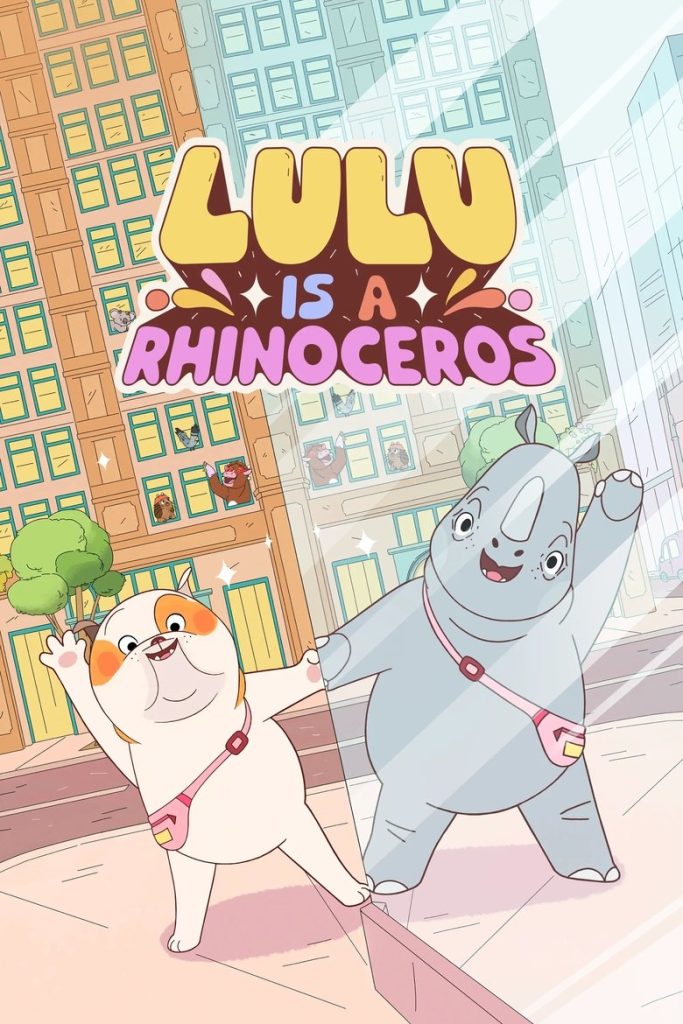
Story overview
Lulu Is a Rhinoceros is an animated family film about a character named Lulu who identifies as a rhinoceros despite external appearances. The story follows Lulu's journey of self-discovery and acceptance in a colorful, imaginative world. Through gentle adventures and friendships, the film explores themes of identity, belonging, and embracing one's true self.
Parent Guide
Gentle animated film about self-acceptance and friendship suitable for young children.
Content breakdown
No violence or perilous situations present.
No scary or disturbing content.
No inappropriate language.
No sexual content or nudity.
No substance use depicted.
Mild emotional moments related to self-discovery and acceptance.
Parent tips
This TV-Y rated animation is designed for young audiences with themes of self-acceptance and friendship. The content is age-appropriate with no concerning elements, making it suitable for family viewing. Parents can expect positive messages about individuality and kindness throughout the story.
Parent chat guide
Parent follow-up questions
- What was your favorite part about Lulu?
- How did Lulu's friends help her?
- What makes someone a good friend?
- What animal would you like to be and why?
- How did Lulu feel when she was being herself?
- Why do you think Lulu believed she was a rhinoceros?
- How did the other characters react to Lulu being different?
- What did you learn about accepting people for who they are?
- How can we support friends who feel different?
- What does it mean to be true to yourself?
- What does this story teach us about identity and self-perception?
- How does the film handle the theme of being different from others?
- What real-life situations might relate to Lulu's experience?
- How do our imaginations shape how we see ourselves?
- What makes someone's identity important to respect?
- How does the film use metaphor to explore identity formation?
- What commentary does the story make about societal expectations versus personal truth?
- How might different audiences interpret Lulu's journey differently?
- What does the film suggest about the relationship between imagination and identity?
- How does this animated approach make complex themes accessible to younger viewers?
🎭 Story Kernel
The film centers on Lulu, a bulldog who rejects her biological classification in favor of her internal truth: she is a rhinoceros. This isn't just a whimsical children's tale; it's a poignant exploration of identity, self-perception, and the social pressure to conform to external expectations. Lulu faces constant dismissal from her peers and humans alike, who see only a dog. The narrative arc follows her journey toward self-acceptance and the search for a community that validates her essence rather than her appearance. By the end, the story posits that identity is not a matter of consensus but of personal conviction. It challenges the audience to consider the validity of subjective experience over objective observation, making it a universal allegory for anyone who has ever felt misaligned with the world's narrow definitions of who they should be.
🎬 Visual Aesthetics
Angela Stempel employs a distinct, high-contrast aesthetic that mirrors the film’s bold thematic stance. The animation is characterized by fluid, expressive linework and a vibrant, saturated color palette that distinguishes Lulu’s internal world from the mundane reality others inhabit. Symbolism is baked into the character design; Lulu’s 'horn'—a simple, taped-on accessory—serves as a powerful visual metaphor for the courage required for self-expression. The backgrounds are often stylized and slightly surreal, emphasizing that the world is a matter of perspective. Stempel uses movement to convey Lulu’s confidence versus the rigid, judgmental postures of the other dogs. The visual language successfully bridges the gap between a playful children's aesthetic and a sophisticated psychological portrait, using color shifts to signal emotional transitions and the eventual triumph of Lulu’s spirit over societal skepticism.
🔍 Details & Easter Eggs
💡 Behind the Scenes
The film is an adaptation of the popular children's book co-authored by Jason Flom and his daughter, Allison Flom. Jason Flom, a prominent music industry executive and founding board member of the Innocence Project, used the story to promote themes of empathy and social justice. Angela Stempel, known for her unique indie animation style and her work on projects like 'The Midnight Gospel,' brought a contemporary, artistic flair to the adaptation. The project was part of a broader initiative to encourage children to embrace their uniqueness, often linked to charitable efforts supporting social causes and animal welfare.
Where to watch
Choose region:
- Apple TV
- Apple TV Amazon Channel
Trailer
Trailer playback is unavailable in your region.