
M8 – When Death Rescues Life (2019)
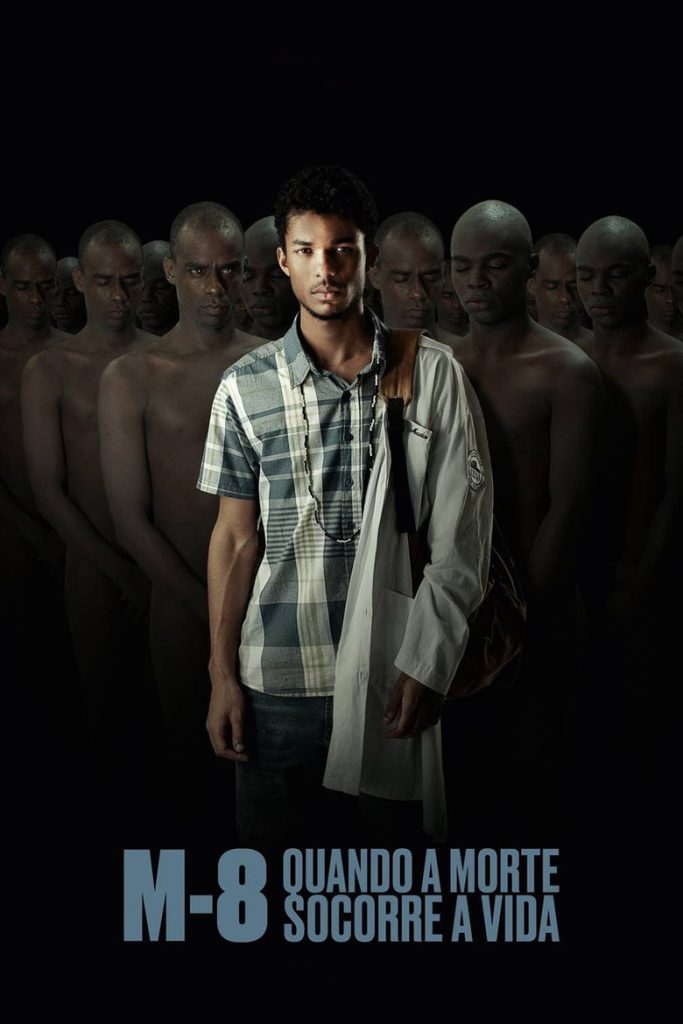
Story overview
M8 - When Death Rescues Life is a 2019 drama thriller that explores complex themes of mortality and existence. The film presents a thought-provoking narrative where death plays an unexpected role in preserving life. This philosophical premise creates tension and emotional depth throughout the story.
Parent Guide
A thought-provoking drama thriller exploring mature themes of mortality and existence with suspenseful elements. Best for mature teens who can handle abstract philosophical concepts and moderate emotional intensity.
Content breakdown
Thriller elements create suspenseful situations and peril. Some tense scenes involving life-and-death scenarios, but details are unspecified.
Themes of death and mortality may be disturbing to sensitive viewers. Thriller aspects create atmospheric tension and unsettling situations.
No specific language details provided, but drama thrillers may include occasional mild language.
No indication of sexual content or nudity in available information.
No indication of substance use in available information.
Exploration of life-and-death themes creates emotional weight. Thriller elements add tension and suspense throughout.
Parent tips
This film deals with mature themes surrounding death and mortality that may be challenging for younger viewers. The thriller elements create suspenseful situations that could be intense for sensitive children. Consider your child's emotional maturity and ability to handle abstract concepts about life and death before viewing.
Parents should be prepared to discuss the film's philosophical questions about existence and morality. The dramatic tension may lead to anxiety in viewers who are uncomfortable with mortality themes. Previewing the film yourself is recommended to assess its appropriateness for your family.
Parent chat guide
Encourage children to express their feelings about the film's treatment of serious subjects. Help them distinguish between fictional storytelling and real-world situations involving similar themes. Use the movie as a starting point for age-appropriate discussions about life, choices, and consequences.
Parent follow-up questions
- What was your favorite part of the movie?
- How did the movie make you feel?
- What colors or sounds do you remember from the movie?
- Can you tell me about one character you liked?
- What was something happy in the story?
- What was the main problem in the story?
- How did the characters try to solve their problems?
- What did you learn about how people help each other?
- Which character made the wisest choice and why?
- How would you describe the movie to a friend?
- What message do you think the filmmakers wanted to share?
- How did the thriller elements affect the story's mood?
- What ethical questions did the movie raise?
- How did characters show courage or kindness?
- What would you have done differently if you were in the story?
- How does the film explore the relationship between life and death?
- What philosophical perspectives on existence were presented?
- How did the dramatic tension serve the story's themes?
- What societal or moral commentary might the film be making?
- How does this film compare to other thrillers you've seen in its treatment of serious themes?
🎭 Story Kernel
The film explores mortality through the lens of systemic failure rather than existential dread. When Death's rescue mission becomes entangled with bureaucratic red tape, the movie reveals its true subject: how institutional inertia can be more terrifying than the end itself. Characters aren't driven by fear of dying but by frustration with a system that treats life and death as administrative tasks. The rescue becomes secondary to navigating forms, protocols, and indifferent middle managers who've turned cosmic processes into mundane office politics. This transforms what could be a supernatural thriller into a dark satire about how we've managed to bureaucratize even the most fundamental human experiences.
🎬 Visual Aesthetics
The cinematography employs a deliberately drab color palette of grays and muted blues, mirroring the soul-crushing bureaucracy the characters navigate. Camera work alternates between claustrophobic close-ups during office scenes and sudden, sweeping shots when supernatural elements intrude, creating visual whiplash that mirrors the characters' disorientation. Action sequences are shot with shaky, documentary-style realism that contrasts sharply with the sterile, static shots of bureaucratic spaces. Symbolism emerges through recurring visual motifs: endless corridors representing bureaucratic labyrinths, flickering fluorescent lights suggesting systemic instability, and windows that offer glimpses of freedom but remain perpetually locked.
🔍 Details & Easter Eggs
💡 Behind the Scenes
The film was shot in an actual decommissioned government building in Eastern Europe, with production designers noting they changed almost nothing about the oppressive architecture. Lead actor reportedly spent weeks shadowing mid-level bureaucrats to perfect the mannerisms of institutional exhaustion. Most supernatural effects were achieved practically rather than through CGI, with the director insisting that 'even death should feel tangible.' The bureaucratic documents shown were authentic government forms from various countries, translated and slightly altered to avoid legal issues.
Where to watch
Choose region:
- Netflix
- Netflix Standard with Ads