
Making Malinche: A Documentary by Nacho Cano (2021)
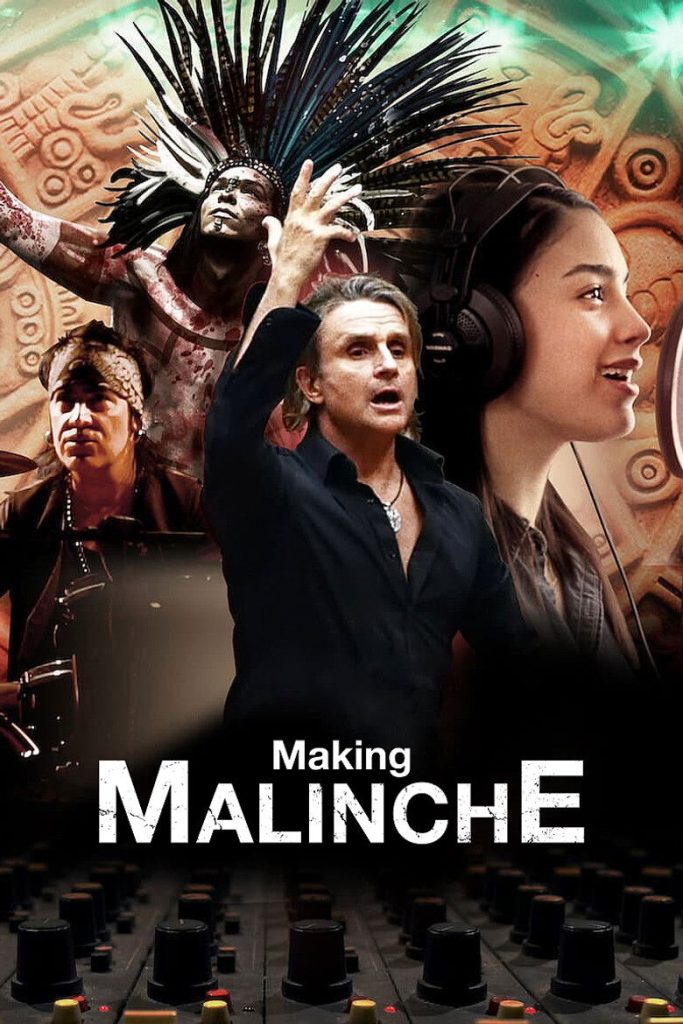
Story overview
This documentary follows the creative journey of Nacho Cano as he develops a new musical based on the historical love story between Malinche and Hernán Cortés, exploring the cultural fusion of Spanish and indigenous Mexican worlds during the conquest era. The film provides behind-the-scenes access to the musical's development, featuring interviews with creators, composers like Hans Zimmer, and cast members, while examining the artistic process of adapting this complex historical narrative for the stage.
Parent Guide
Educational documentary about musical theater creation with mature historical themes. Suitable for older children with guidance due to complex subject matter about colonization and cultural conflict.
Content breakdown
No violent scenes shown. The documentary discusses historical conflicts but doesn't depict violence.
Some discussion of colonization's impact on indigenous cultures could be conceptually disturbing for sensitive viewers. No frightening imagery.
No offensive language. The film is in Spanish with English subtitles, featuring professional artistic and historical discussion.
No sexual content or nudity. The documentary focuses on artistic creation and historical context.
No depiction or discussion of substance use.
Moderate emotional content related to discussions of cultural loss and historical injustice during colonization. The tone is primarily educational and artistic.
Parent tips
This documentary focuses on artistic creation and historical storytelling rather than graphic content. The main considerations are the mature themes of colonization and cultural conflict, which may require context for younger viewers. The Spanish language with subtitles could challenge some children's reading skills. Consider watching together to discuss the historical context and artistic process.
Parent chat guide
Parent follow-up questions
- What instruments did you see in the movie?
- What colors did you notice in the costumes?
- Did you hear any songs you liked?
- What is a documentary and how is it different from other movies?
- What do you think 'creating a musical' means?
- How do you think music helps tell stories?
- Why do you think the story of Malinche and Cortés is important to tell?
- How does this documentary show the creative process?
- What challenges might artists face when telling historical stories?
- How does this documentary handle the controversial aspects of colonization?
- What artistic choices did you notice in adapting this historical story?
- How does the film explore cultural identity and historical interpretation?
🎭 Story Kernel
The documentary isn't a simple historical recount of Malinche, the Indigenous interpreter and consort to Hernán Cortés. It's a meta-narrative about the act of historical reclamation itself. Cano positions himself as a modern-day Malinche—a translator between past and present, Spanish and Indigenous perspectives. The film argues that Malinche was not merely a traitor or victim, but a complex strategist navigating an apocalyptic collision of worlds. Her story becomes a lens to examine contemporary Mexican identity, mestizaje, and the persistent ghosts of conquest. The driving force is Cano's obsessive quest to give voice to a figure historically silenced by both Spanish chronicles and nationalist Mexican rhetoric, revealing how her legacy is a foundational, yet contested, wound.
🎬 Visual Aesthetics
Cano employs a stark, almost archaeological visual language. The cinematography contrasts crisp, contemporary interviews with grainy, textured recreations that feel like unearthed fragments. A muted, earthy color palette dominates—ochres, browns, and faded blues—evoking aged manuscripts and sun-baked land. Symbolically, the camera often frames modern actors portraying historical figures through windows, doorways, or against crumbling colonial walls, visually layering the past onto the present. The action in recreations is deliberately stylized and theatrical, avoiding gritty realism, which emphasizes these scenes as interpretive acts rather than definitive truth. This aesthetic choices reinforce the documentary's core theme: history is not a clear picture, but a palimpsest.
🔍 Details & Easter Eggs
💡 Behind the Scenes
The documentary was shot on location in Mexico City, Veracruz, and Tabasco, often at archaeological sites related to the conquest. Notably, Nacho Cano, primarily known as a founding member of the iconic Spanish pop band Mecano, spent over five years researching the project, consulting with historians from Mexico's National Institute of Anthropology and History (INAH). Several actors in the dramatic recreations are descendants of Indigenous communities from the regions central to Malinche's story, a casting choice Cano insisted upon to add layers of authenticity and reclamation to the performances.
Where to watch
Choose region:
- Netflix
- Netflix Standard with Ads