
Making Waves: The Art of Cinematic Sound (2019)
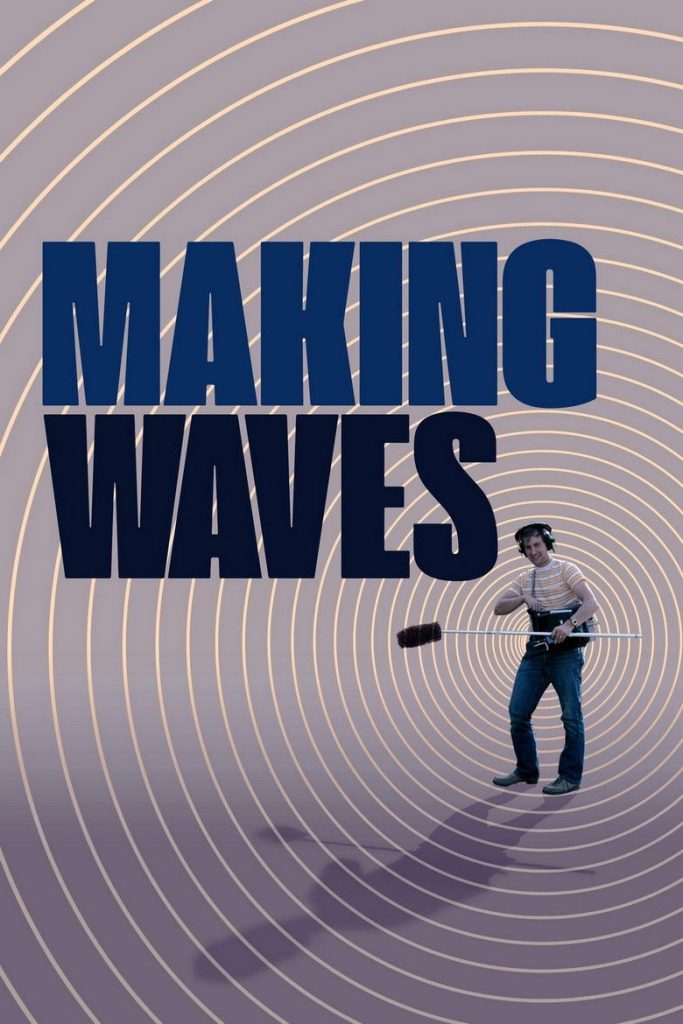
Story overview
Making Waves: The Art of Cinematic Sound is a 2019 documentary that explores the history and importance of sound design in filmmaking. Through interviews with renowned sound designers like Walter Murch and Ben Burtt, and filmmakers such as Christopher Nolan and Sofia Coppola, it explains how sound effects, dialogue, and music are crafted to enhance storytelling. The film covers key moments in cinema history, from early silent films to modern blockbusters, showing how technological advances have shaped the auditory experience of movies. It's an educational and engaging look at a behind-the-scenes aspect of film that often goes unnoticed.
Parent Guide
This documentary is educational and family-friendly, with no concerning content. It's best suited for children aged 8 and older who have an interest in movies or technology, as younger kids might find it too technical or slow-paced.
Content breakdown
No violence or peril is depicted; the film focuses on technical and historical aspects of sound design without any action or dangerous scenes.
There are no scary or disturbing elements; it includes clips from various films, but these are used to illustrate sound techniques and are not intense or frightening.
No offensive or strong language is present; the content is professional and educational, with interviews and narration that are appropriate for all ages.
No sexual content or nudity; the documentary strictly discusses film sound without any romantic or mature themes.
No depiction or discussion of substance use; the focus is solely on cinematic sound and its history.
Emotional intensity is minimal; it may evoke interest or excitement about filmmaking, but there are no highly emotional or dramatic scenes that could upset viewers.
Parent tips
This documentary is suitable for children aged 8 and up, as it focuses on educational content about film production without inappropriate material. It may be less engaging for younger children due to its technical nature and slower pace. Parents can use it to spark interest in filmmaking or sound design, and discuss how sounds in movies are created. There are no concerns with violence, language, or mature themes, making it a safe choice for family viewing.
Parent chat guide
Parent follow-up questions
—
- What was your favorite sound in the movie?
- Can you make a sound like something you heard?
- How do you think movies make sounds for things that aren't real?
- Why do you think sound is important in movies?
- How has sound technology changed from old films to new ones?
- What job in filmmaking would you like to try after watching this?
- How does sound design influence the emotional impact of a film?
- What are the ethical considerations in using sound to manipulate audience reactions?
- Compare the sound techniques discussed to those in a recent movie you've seen.
🎭 Story Kernel
At its core, 'Making Waves' isn't just a technical history lesson; it's a philosophical argument about perception and reality. The film posits that sound is the primary emotional conduit of cinema, the invisible architecture that builds our psychological connection to the image. It explores the drive of its subjects—pioneers like Walter Murch, Ben Burtt, and Gary Rydstrom—not as mere technicians, but as storytellers and emotional sculptors. Their motivation is the obsessive pursuit of 'felt truth,' using everything from the roar of a lightsaber to the subtle rustle of clothing to bypass our conscious minds and speak directly to our nervous systems. The documentary argues that we don't watch a movie; we *experience* it through a carefully constructed sonic landscape.
🎬 Visual Aesthetics
The film's visual style is cleverly subservient to its subject. It employs a clean, interview-driven documentary aesthetic—talking heads against dark backgrounds—to force the audience to *listen*. The real visual magic happens in the illustrative clips. The editing juxtaposes iconic scenes (like the helicopter attack in 'Apocalypse Now') with their isolated sound elements—just the rotor blades, then just the Wagner score, then the mix—visually deconstructing the auditory illusion. Color is used functionally, with a muted palette for interviews that bursts into the vibrant colors of the film clips being analyzed, visually mirroring the transition from technical discussion to cinematic emotion.
🔍 Details & Easter Eggs
💡 Behind the Scenes
Director Midge Costin, a veteran sound editor herself, spent nearly a decade securing interviews and footage rights. A key challenge was demonstrating 'silence' visually; they used footage of a desert from 'Lawrence of Arabia' with its wind sound removed, leaving a haunting void. The film features rare archival footage, including Walter Murch hand-splicing magnetic tape for 'The Conversation' and George Lucas giving specific, non-technical direction for the 'feel' of the blaster sounds in 'Star Wars'.
Where to watch
Choose region:
- Peacock Premium
- Peacock Premium Plus
- The Roku Channel
- Fandango at Home Free
- Pluto TV
- Tubi TV
- Amazon Video
- Apple TV Store
- Google Play Movies
- YouTube
- Fandango At Home
Trailer
Trailer playback is unavailable in your region.