
Maleficent: Mistress of Evil (2019)
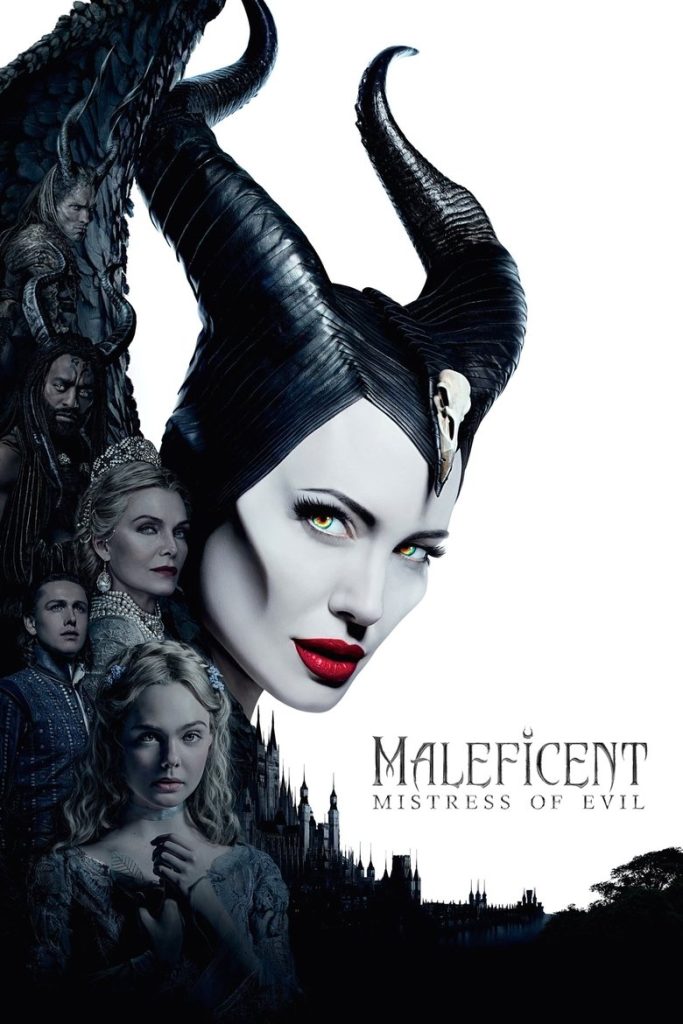
Story overview
Maleficent: Mistress of Evil is a 2019 fantasy adventure film that continues the story of the powerful fairy Maleficent. As she navigates complex relationships and political tensions between humans and magical creatures, the film explores themes of family, prejudice, and redemption. With stunning visual effects and magical elements, it presents a darker fairy tale suitable for older children and families.
Parent Guide
A fantasy adventure with moderate intensity, best for children 8+ with parental guidance for emotional themes and fantasy violence.
Content breakdown
Fantasy battles with magical weapons, creatures in peril, tense confrontations between characters, and some destruction. No graphic injuries shown.
Dark magical transformations, intense magical confrontations, betrayal themes, and prejudice against magical creatures. Some scenes may be frightening to sensitive viewers.
Occasional mild insults and confrontational dialogue typical of fantasy conflict.
No sexual content or nudity. Romantic elements are limited to brief kisses and relationship development.
No substance use shown.
Themes of betrayal, family conflict, prejudice, and sacrifice. Emotional reunions and separations may be intense for younger viewers.
Parent tips
This PG-rated fantasy film contains moderate fantasy violence and peril that may be intense for younger viewers. Scenes include magical battles, creatures in danger, and tense confrontations between characters. The emotional themes of betrayal, prejudice, and family conflict could be challenging for sensitive children.
Parents should be prepared to discuss the film's themes of forgiveness, understanding differences, and standing up against prejudice. The visual effects and magical elements are impressive but may be overwhelming for very young viewers. Consider watching with children ages 8+ to provide context for the more intense moments.
Parent chat guide
For younger viewers, emphasize the fantasy nature of the story and separate magical elements from reality. With older children, explore the political themes and moral complexities presented in the film. The parent-child relationships in the story provide good opportunities to discuss family dynamics and loyalty.
Parent follow-up questions
- What was your favorite magical creature in the movie?
- How did the characters show they cared about each other?
- What colors did you see in the fairy world?
- What made you happy in the story?
- How did the characters solve their problems?
- Why do you think some characters didn't trust each other at first?
- What did Maleficent learn about being a family?
- How did the different creatures work together?
- What would you do if you saw someone being treated unfairly?
- What makes someone a good friend in the story?
- How does the movie show the consequences of prejudice?
- What different types of families are represented in the film?
- How do characters balance loyalty with doing what's right?
- What leadership qualities do different characters demonstrate?
- How does the film handle the theme of forgiveness?
- How does the film explore the complexity of villainy and heroism?
- What political messages about unity and division are present?
- How are themes of nature versus technology represented?
- What commentary does the film make about tradition versus progress?
- How do the romantic relationships reflect broader societal themes?
🎭 Story Kernel
The film's core theme explores how prejudice and the fear of difference can be weaponized to justify genocide. Queen Ingrith's crusade against the Moors isn't driven by a simple fairy-tale evil, but by a supremacist ideology that deems the magical 'other' as a threat to her vision of a pure, human-only kingdom. Maleficent's journey is one of confronting this systemic hatred, moving from a protector of her own kind to a reluctant leader who must unite disparate magical creatures against annihilation. The central conflict is less about a curse and more about the political and social mechanics of ethnic cleansing, framed within a family drama.
🎬 Visual Aesthetics
The film employs a stark visual dichotomy. The human kingdom of Ulstead is rendered in cold, sterile blues, grays, and golds, with rigid, symmetrical architecture reflecting its rigid, oppressive order. In contrast, the Moors are a riot of bioluminescent color, organic shapes, and fluid, magical light, captured with sweeping, graceful camera movements. The action sequences, particularly Maleficent's aerial combat, use dynamic, whirling camerawork to emphasize her power and grace. The design of the Dark Fey's underground sanctuary uses deep reds and earthy tones, visually separating their ancient, hidden culture from both the human and surface-fey worlds.
🔍 Details & Easter Eggs
💡 Behind the Scenes
Angelina Jolie's iconic cheek prosthetics were so precisely designed that they had to be applied with a special magnetic system. The massive, practical sets for the Moors and Ulstead were built at Pinewood Studios, with the fairy glen containing over 20,000 real flowers and plants. Michelle Pfeiffer and Angelina Jolie, playing mortal enemies, reportedly bonded over discussing their experiences as mothers during filming. The film's climactic battle involved extensive use of practical effects and stunt work for the human soldiers, combined with CGI for the magical creatures and large-scale environments.
Where to watch
Choose region:
- Disney Plus
- Amazon Video
- Apple TV
- Google Play Movies
- YouTube
- Fandango At Home
Trailer
Trailer playback is unavailable in your region.