
Man Among Cheetahs (2017)
Story overview
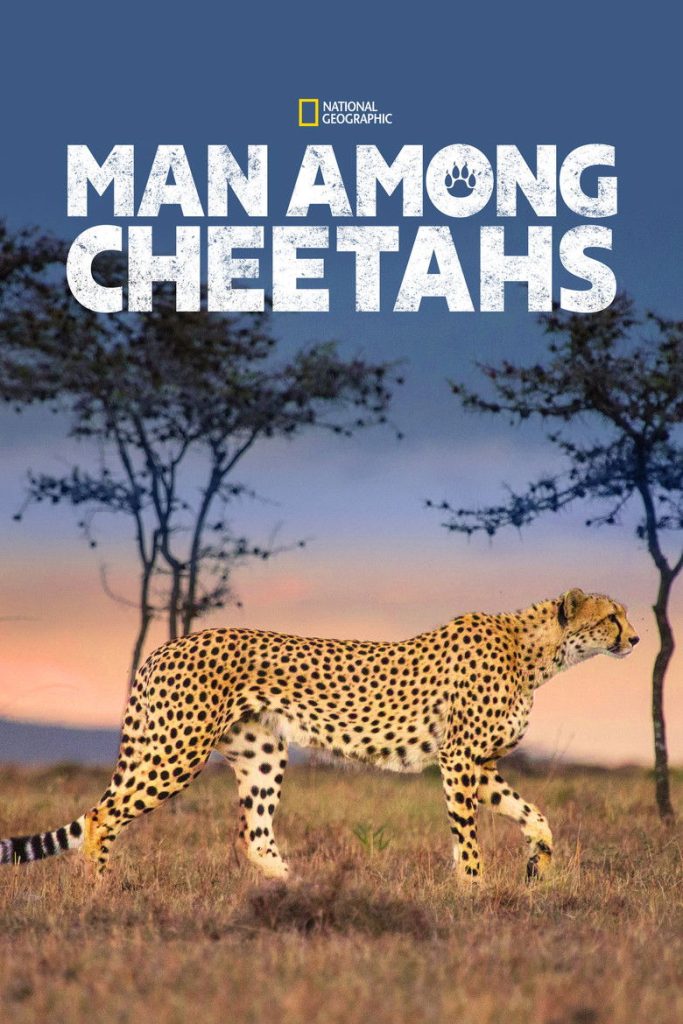
Man Among Cheetahs is a 2017 documentary TV movie that follows wildlife filmmaker Robert Poole as he documents a cheetah mother's relentless efforts to protect and raise her cubs in their natural habitat. The film captures the challenges of survival in the wild, including predator threats, environmental hardships, and the mother's fierce dedication to her offspring. It offers an intimate look at cheetah behavior, family dynamics, and the filmmaker's respectful observation process.
Parent Guide
Educational wildlife documentary suitable for most families with school-aged children. Contains natural predator behavior and survival challenges but no graphic violence or inappropriate content.
Content breakdown
Natural predator-prey scenes showing cheetahs hunting gazelles or facing threats from other predators. No graphic violence or blood shown. Some tense moments as cubs face survival challenges.
Mild tension from natural dangers in the wild. Young cubs face threats from predators and environmental challenges. No jump scares or horror elements.
No offensive language. Educational narration and natural animal sounds only.
No sexual content. Natural animal behavior without focus on mating. Animals shown in their natural state as typical for wildlife documentaries.
No substance use shown. Focus is entirely on wildlife behavior in natural habitat.
Emotional engagement with the cheetah family's survival story. Some concern for cubs' safety but ultimately educational rather than distressing. Positive themes of maternal care and resilience.
Parent tips
This documentary is educational and family-friendly, focusing on wildlife behavior rather than graphic content. Parents should note: 1) There are natural predator-prey scenes that might be intense for very young children, 2) The cheetah cubs face survival challenges that could be emotionally engaging, 3) No human violence, language issues, or sexual content is present, 4) The film promotes appreciation for wildlife conservation and animal family bonds.
Parent chat guide
Parent follow-up questions
- What was your favorite animal in the movie?
- How did the mommy cheetah take care of her babies?
- What sounds did the cheetahs make?
- Why do you think the cheetah mother had to be so careful with her cubs?
- What did the filmmaker do to study the cheetahs without bothering them?
- How are cheetah families similar to or different from human families?
- What survival strategies did the cheetah mother use that impressed you most?
- How does this documentary help people understand wildlife conservation?
- What challenges do filmmakers face when documenting animals in the wild?
- How does this film contribute to our understanding of predator-prey dynamics in ecosystems?
- What ethical considerations should wildlife documentarians follow when observing animals?
- How might climate change or human activity affect cheetah populations like the one shown?
🎭 Story Kernel
At its core, 'Man Among Cheetahs' explores the illusion of control in human-animal relationships. The protagonist, a wildlife researcher, believes his scientific methods and protective gear grant him authority over the cheetahs he studies. As the film progresses, each interaction subtly strips away this perceived dominance—not through dramatic attacks, but through the cheetahs' indifferent acceptance of his presence. The real tension isn't predator versus human, but the protagonist's gradual realization that he's just another element in their ecosystem, not its master. His meticulous data collection becomes meaningless when faced with creatures who operate on instinct alone, exposing human arrogance in believing we can quantify or contain wildness.
🎬 Visual Aesthetics
The cinematography masterfully uses shallow depth of field to isolate the protagonist against blurred backgrounds, visually emphasizing his loneliness and disconnection from the environment. During cheetah sequences, wide-angle lenses capture the vast savannah, making both man and animal appear small against nature's scale. The color palette shifts subtly—warm golds during daytime observations cool to blue-greys at dusk, mirroring the protagonist's growing emotional detachment. Slow-motion shots of cheetahs running aren't glorified action sequences but studies in effortless motion, contrasting with the researcher's clumsy, gear-laden movements. Shadows lengthen progressively throughout, visually tracking his diminishing sense of control.
🔍 Details & Easter Eggs
💡 Behind the Scenes
The production team worked with actual wildlife researchers in Kenya's Maasai Mara, using custom-built camera rigs on electric vehicles to avoid disturbing animals with engine noise. Lead actor spent three months learning researcher protocols but wasn't allowed to approach cheetahs during filming—all proximity shots used trained animal actors from a conservation center. That authentic distance translates to screen. The famous sunset sequence was captured in one take during actual golden hour, with the crew having just 23 minutes of optimal light. Local Maasai trackers were credited as technical consultants for their unparalleled ability to predict cheetah movements.
Where to watch
Choose region:
- Disney Plus