
Mandela (2021)
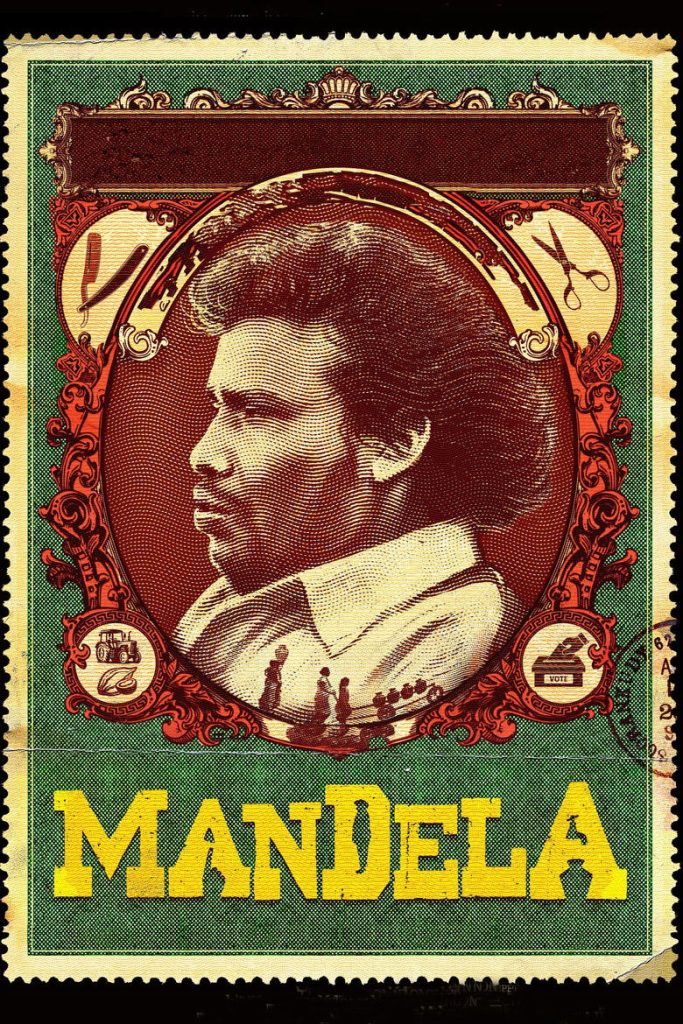
Story overview
This 2021 comedy-drama film titled 'Mandela' explores themes of identity and social dynamics through a humorous lens. While specific plot details are unavailable, the combination of comedy and drama suggests it balances lighthearted moments with more serious emotional elements. The film likely follows characters navigating personal or societal challenges in an engaging narrative.
Parent Guide
A comedy-drama that likely contains mild thematic elements suitable for older children with parental guidance.
Content breakdown
May contain minor comedic conflict or tension typical of the genre.
Could include mildly intense dramatic moments.
May contain occasional mild language consistent with comedy-drama films.
No specific indications of sexual content based on available information.
No specific indications of substance use based on available information.
Likely contains emotional moments typical of drama elements blended with comedy.
Parent tips
Based on the comedy-drama genre, this film likely contains both humorous scenes and more serious dramatic moments that may require some emotional maturity to process. Parents should be prepared for potential discussions about social relationships and personal identity that often appear in such films. Consider previewing the film or checking detailed reviews for specific content before viewing with younger children.
Parent chat guide
Parent follow-up questions
- What was your favorite funny part in the movie?
- How did the characters show they were friends?
- What colors or sounds did you notice most?
- What made some scenes funny while others were serious?
- How did the characters solve their problems?
- What would you do if you were in a similar situation?
- How does the movie balance comedy with drama effectively?
- What themes about identity or society did you notice?
- How do the characters' relationships change throughout the story?
- How does the film use humor to comment on social issues?
- What does the movie suggest about personal growth and identity?
- How effective is the blend of comedy and drama in conveying the story's message?
🎭 Story Kernel
At its core, 'Mandela' is less about a singular hero's journey and more about the mechanics of collective resistance and the psychological toll of leadership under siege. The film expresses how Mandela's greatest battle wasn't against prison walls, but against the erosion of hope within himself and his movement. What drives the characters—from Mandela to his fellow prisoners and Winnie—isn't just ideology, but a desperate fight to maintain their humanity in a system designed to strip it away. The real conflict is internal: sustaining belief when every external signal screams defeat.
🎬 Visual Aesthetics
The film employs a stark, desaturated color palette that mirrors the emotional and physical barrenness of Robben Island. Wide shots emphasize Mandela's isolation, while intimate close-ups during prison conversations create a sense of conspiratorial closeness. The camera often remains static during confrontations, forcing viewers to sit with the tension. Symbolically, the narrowing of Mandela's world is visualized through progressively tighter frames in his cell, contrasted with expansive, hopeful shots during his later years. The transition from monochrome prison sequences to warmer tones post-release visually charts the return of color to South Africa.
🔍 Details & Easter Eggs
💡 Behind the Scenes
Idris Elba spent months studying Mandela's voice and mannerisms, but ultimately chose to suggest the essence rather than mimic him perfectly, arguing that literal imitation would distract from the character's humanity. The Robben Island scenes were filmed in an actual decommissioned prison in Cape Town to capture authentic acoustics and light. Director Justin Chadwick insisted actors remain in character off-camera during prison sequences, leading to reported method-acting tensions that ironically mirrored real prisoner dynamics. The script was revised extensively after consultation with former Robben Island inmates who corrected Hollywood dramatizations with quieter, more truthful details.
Where to watch
Choose region:
- Netflix
- Netflix Standard with Ads