Mann v. Ford (2011)
Story overview
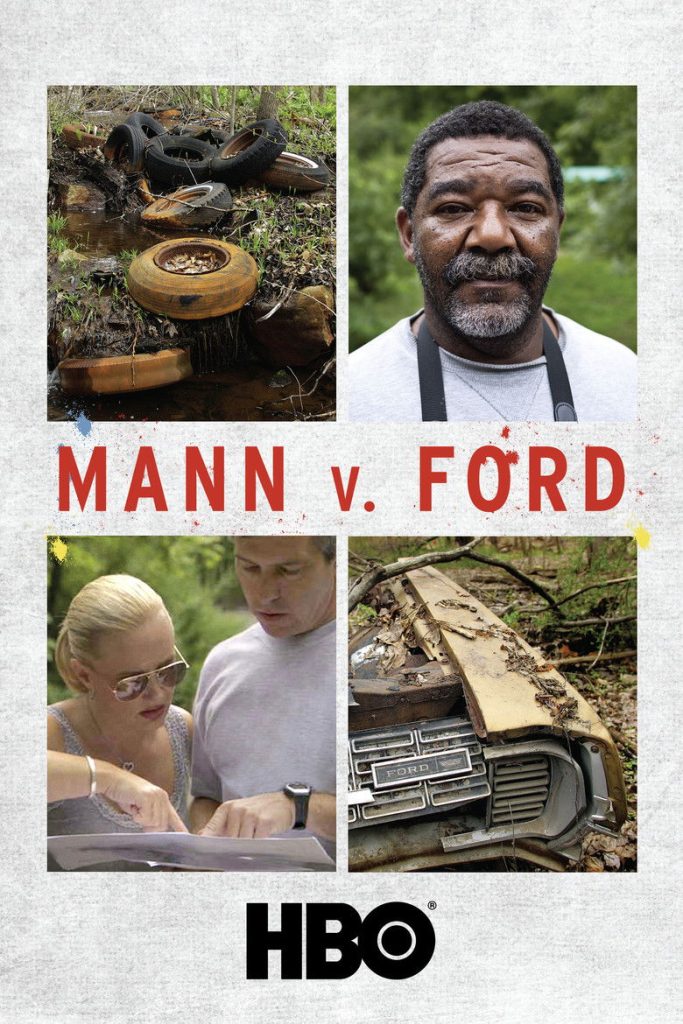
This documentary examines the legal battle between the Ramapo Mountain Indians and Ford Motor Company over toxic waste dumping that occurred over three decades. The film follows the tribe's class-action lawsuit against Ford and the Environmental Protection Agency, highlighting environmental justice issues, corporate responsibility, and community activism through interviews with tribal members, lawyers, and officials.
Parent Guide
Educational documentary about environmental justice and legal proceedings with no graphic content but serious themes about health impacts from pollution.
Content breakdown
No physical violence depicted. The peril relates to environmental contamination and health risks discussed in legal and interview contexts.
Discussion of toxic waste dumping and potential health consequences may be concerning to sensitive viewers, but no disturbing visuals are shown.
No offensive language noted. Formal legal and documentary language throughout.
No sexual content or nudity.
No depiction of substance use.
Emotional interviews with community members discussing health impacts and frustration with corporate/government responses create moderate emotional intensity.
Parent tips
This documentary deals with serious environmental and legal topics that may be challenging for younger children. The content focuses on legal proceedings, environmental contamination, and community health impacts rather than graphic visuals. Consider watching together with children 10+ to discuss environmental responsibility and social justice issues.
Parent chat guide
Parent follow-up questions
—
- What does it mean to take care of our environment?
- Why is clean water important for people and animals?
- What responsibilities do companies have to protect the environment?
- How can communities work together to solve environmental problems?
- What is a class-action lawsuit and how does it work?
- What are the ethical implications of corporate environmental decisions?
- How does this case illustrate environmental justice issues?
- What role should government agencies play in regulating corporate pollution?
- How can legal systems balance corporate interests with community health?
🎭 Story Kernel
At its core, 'Mann v. Ford' is about the collision between corporate impunity and grassroots desperation. The film doesn't just document a lawsuit; it reveals how legal systems are designed to manage outrage rather than deliver justice. The Ramapough Lenape community's fight against Ford isn't driven by greed but by survival—their very land and bodies have become toxic. What's most chilling is how the settlement process becomes another form of violence, forcing people to put a price tag on their health and heritage. The real antagonist isn't a person but a system that values profit over human life, leaving viewers to question whether any courtroom victory can heal such deep wounds.
🎬 Visual Aesthetics
The film employs a stark, observational visual style that mirrors the bleak reality it documents. Cinematographer uses handheld cameras to create intimacy with the Ramapough community, while corporate scenes are shot with static, cold precision. The color palette shifts from the earthy tones of the contaminated land to the sterile blues and grays of courtrooms and corporate offices. Visual symbolism emerges through contrasting imagery: children playing near toxic waste versus Ford's glossy headquarters. The camera lingers on faces—especially during emotional testimony—creating a raw, human connection that corporate defense teams try to dismantle with legal jargon.
🔍 Details & Easter Eggs
💡 Behind the Scenes
The documentary was filmed over several years, capturing the entire legal process from initial filings to settlement. Director Micah Fink spent extensive time with the Ramapough community to build trust. Many community members had never spoken publicly before. The production faced challenges accessing Ford's perspective, ultimately relying on court documents and public statements. Several scenes were shot guerrilla-style when corporate permissions were denied. The film's title cleverly references both the legal case and the David vs. Goliath nature of the struggle.
Where to watch
Choose region:
- HBO Max
- HBO Max Amazon Channel
- Amazon Video
- Apple TV Store
- Google Play Movies
- YouTube
Trailer
Trailer playback is unavailable in your region.