
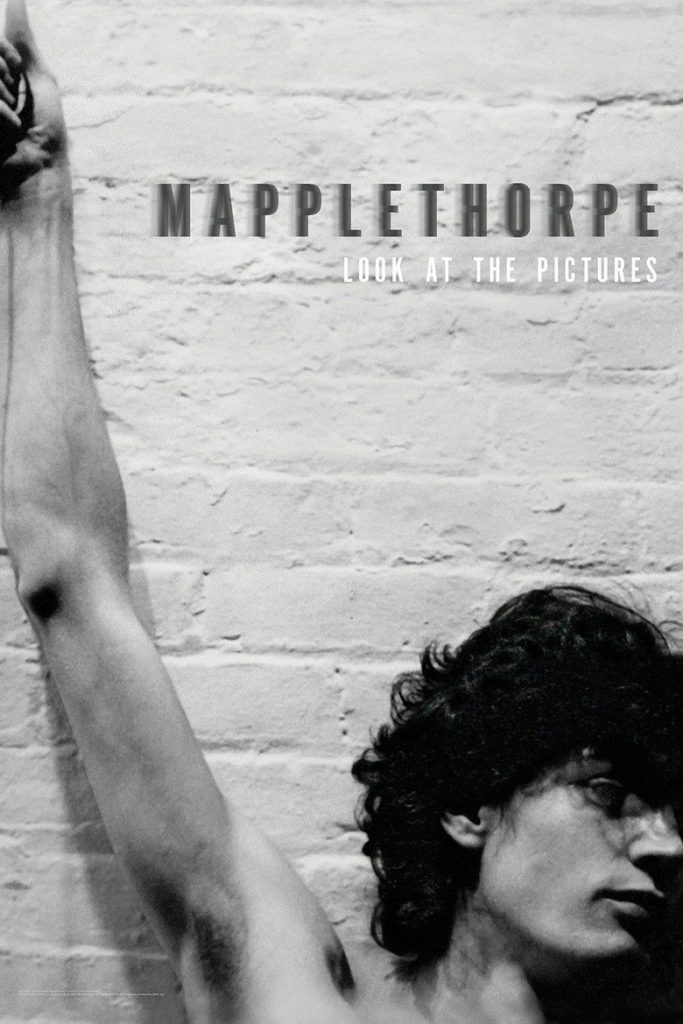
Mapplethorpe: Look at the Pictures (2016)
Story overview
This documentary explores the life and work of photographer Robert Mapplethorpe, known for pushing artistic boundaries with explicit homoerotic and fetish photography alongside more serene portraits. It examines the controversy surrounding his work, which some label as pornography, while highlighting his artistic influence and personal journey as an openly gay artist in the 20th century.
Parent Guide
This documentary is strictly for mature adults due to explicit sexual content and adult themes. It explores controversial art, sexuality, and mortality with graphic visuals.
Content breakdown
No violence depicted, though there is discussion of Mapplethorpe's death from AIDS-related illness.
Some may find the explicit sexual imagery and fetish content disturbing. The film also addresses death and illness.
Occasional strong language in interviews and discussions about the artwork.
Extensive explicit sexual content including full frontal nudity, graphic depictions of BDSM, fetishism, sexual acts, and homoerotic imagery. Central to the documentary's subject matter.
Some references to drug use in the New York art scene context, but not graphically depicted.
Deals with controversial art, sexuality, mortality, and societal rejection. The film has a serious, analytical tone.
Parent tips
This documentary contains extensive explicit sexual content including full nudity, graphic depictions of BDSM, fetishism, and sexual acts. It's unsuitable for children and most teenagers. If considering for mature teens, preview it first and be prepared to discuss artistic expression versus pornography, LGBTQ+ history, and sexual boundaries. The film also addresses Mapplethorpe's death from AIDS-related complications.
Parent chat guide
Parent follow-up questions
—
—
—
- What makes something art versus pornography in your opinion?
- How do you think society's views on LGBTQ+ issues have changed since Mapplethorpe's time?
- Why do you think artists sometimes create controversial work?
- How should we balance artistic freedom with community standards?
🎭 Story Kernel
The film explores the dual nature of Robert Mapplethorpe's artistic drive—his relentless pursuit of aesthetic perfection and his compulsion to document his own transgressive desires. It reveals how his photography wasn't just about capturing beauty but about confronting societal taboos, particularly around sexuality and mortality. The documentary shows how Mapplethorpe used his camera as both weapon and shield, creating images that challenged norms while simultaneously constructing his own myth. His relationship with Patti Smith serves as a poignant counterpoint to his later, more controversial work, illustrating the evolution of an artist who became consumed by his own persona. The film ultimately presents Mapplethorpe as someone who couldn't separate his art from his life, with each photograph serving as both artistic statement and personal testimony.
🎬 Visual Aesthetics
The documentary employs a striking visual strategy that mirrors Mapplethorpe's own aesthetic—crisp, clean compositions with dramatic contrasts. Archival footage is presented with the same formal precision Mapplethorpe applied to his photographs, creating visual continuity between the artist's life and work. The camera lingers on Mapplethorpe's photographs with the same intensity he brought to his subjects, allowing viewers to experience the images as he intended—unflinching and confrontational. The color palette shifts from warmer tones in early career segments to cooler, more clinical hues as Mapplethorpe's work becomes more controversial and his health declines. Interviews are framed with the same formal composition Mapplethorpe favored, creating a visual echo of his artistic principles throughout the film.
🔍 Details & Easter Eggs
💡 Behind the Scenes
Directors Fenton Bailey and Randy Barbato gained unprecedented access to the Robert Mapplethorpe Foundation's archives, including never-before-seen personal photographs and letters. The film's title comes from Senator Jesse Helms' infamous speech condemning Mapplethorpe's work during the 1990 NEA controversy, where he urged people to 'look at the pictures' as evidence of obscenity. Much of the archival footage was restored from original formats that hadn't been viewed in decades. Several interviewees, including former models and assistants, had never spoken publicly about their experiences with Mapplethorpe before this documentary. The filmmakers worked closely with the Mapplethorpe estate, which initially had reservations about how explicitly the documentary would address the artist's sexuality and controversial work.
Where to watch
Choose region:
- HBO Max
- HBO Max Amazon Channel
- Amazon Video
- Apple TV Store
- Google Play Movies
- YouTube
- Fandango At Home
Trailer
Trailer playback is unavailable in your region.