
Marathon: The Patriots Day Bombing (2016)
Story overview
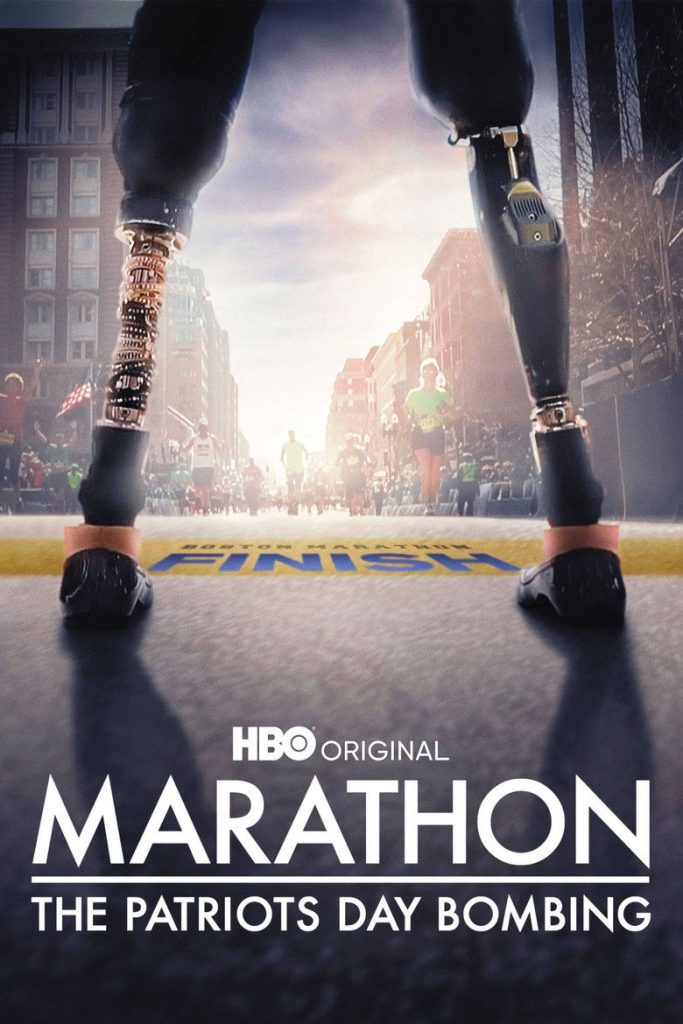
This documentary recounts the 2013 Boston Marathon bombing, focusing on survivors' recovery journeys. It includes real footage and interviews, covering the attack, investigation, and aftermath, with themes of resilience and community.
Parent Guide
TV-MA documentary with intense real-life terrorism content. Suitable for mature teens with parental guidance due to graphic footage and emotional themes.
Content breakdown
Includes real surveillance and news footage of the bombing with injuries, blood, and chaos. Scenes of emergency response and aftermath with amputations and medical procedures shown.
Disturbing real footage of terrorist attack. Emotional interviews with severely injured survivors discussing trauma. Themes of death, injury, and terrorism may be frightening.
Occasional mild profanity in interviews or news clips. No strong or frequent offensive language.
No sexual content or nudity.
No substance use depicted.
High emotional intensity throughout. Survivors discuss physical pain, emotional trauma, and life-altering injuries. Themes of grief, recovery, and resilience are central.
Parent tips
Preview due to intense content. Watch with teens for discussion. Be ready for emotional scenes and terrorism themes. Consider your child's sensitivity to real-life violence.
Parent chat guide
Parent follow-up questions
—
—
- What do you think helped the survivors recover?
- How can communities support each other in hard times?
- Why is it important to remember events like this?
- How does the film handle the balance between documenting tragedy and showing hope?
- What role did media play in this event?
- How can we discuss terrorism without causing unnecessary fear?
- What did you learn about resilience from the survivors?
🎭 Story Kernel
The film's true subject isn't the bombing itself, but the architecture of aftermath. It meticulously charts how a single act of violence fractures into countless personal realities, each with its own timeline of grief, recovery, and justice. The driving force isn't a quest for answers from the perpetrators, but a collective, agonizing negotiation with a new normal. It explores how trauma becomes a permanent resident in a city's identity and in individual bodies, asking what it means to rebuild when the blueprint has been irrevocably altered. The narrative is propelled by the survivors' and first responders' struggle to reclaim agency from chaos.
🎬 Visual Aesthetics
The cinematography employs a stark, verité style, often using handheld cameras to create an immersive, urgent intimacy. The color palette is deliberately desaturated in the immediate aftermath sequences, mirroring shock and disorientation, with warmer tones gradually seeping back in during recovery segments. Archival news footage is intercut with contemporary interviews, creating a powerful temporal dissonance. The camera often lingers on faces and physical scars, making the psychological wounds palpably visual. There's a conscious avoidance of sensationalism; the horror is conveyed through aftermath debris and human reaction shots, not graphic reenactment.
🔍 Details & Easter Eggs
💡 Behind the Scenes
The documentary is part of HBO's 'America ReFramed' series. Directors Ricki Stern and Annie Sundberg gained remarkable access, filming over several years to authentically capture the longitudinal arc of recovery. Many of the first responder interviews were conducted at the actual stations and units that mobilized on Patriots Day. The filmmakers worked closely with survivors' groups, ensuring the narrative remained centered on lived experience rather than external commentary. Archival audio from police scanners was meticulously cleaned and synced to create the tense, real-time atmosphere of the manhunt sequence.
Where to watch
Choose region:
- HBO Max
- HBO Max Amazon Channel
- Amazon Video
- Apple TV Store
- Google Play Movies
- YouTube
- Fandango At Home
Trailer
Trailer playback is unavailable in your region.