
Maria Full of Grace (2004)
Story overview
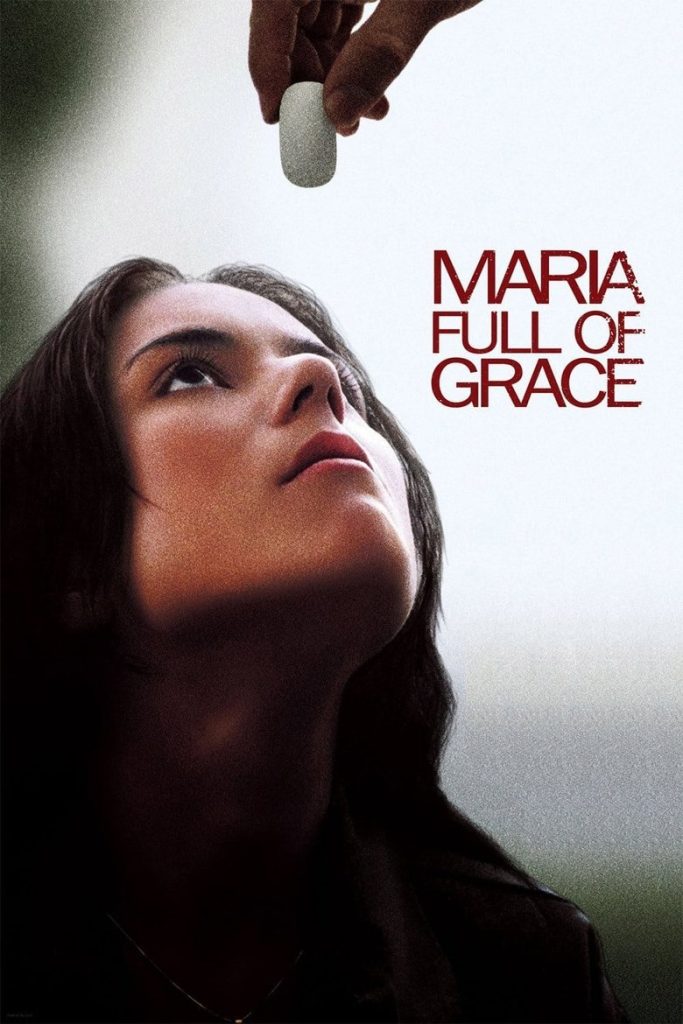
Maria Full of Grace follows a young Colombian woman who becomes a drug mule to escape poverty and seek a better life. The film depicts her dangerous journey transporting narcotics to the United States, highlighting the risks and moral dilemmas involved. It explores themes of desperation, survival, and the human cost of the drug trade through a personal and intense narrative.
Parent Guide
Mature drama about drug trafficking with intense themes suitable for older teens and adults.
Content breakdown
Contains perilous situations related to drug smuggling, including tense moments and implied threats.
Themes of desperation and dangerous situations may be emotionally disturbing.
May include occasional strong language consistent with dramatic situations.
Limited sexual references or situations.
Central theme involves drug trafficking and substance-related content.
High emotional intensity due to life-or-death situations and moral dilemmas.
Parent tips
This R-rated drama deals with mature themes including drug trafficking, perilous situations, and emotional distress. It contains scenes that may be disturbing for younger viewers due to the realistic portrayal of the drug trade's dangers. Parents should preview the film to assess its appropriateness for their teenagers, as it presents challenging content without graphic sensationalism but with significant emotional weight.
Parent chat guide
Parent follow-up questions
- What did you think about the main character?
- How did the movie make you feel?
- What was your favorite part?
- Did you see anything that worried you?
- What do you think the story was about?
- Why do you think the main character made the choices she did?
- How did the characters show bravery in the story?
- What challenges did the characters face?
- What did you learn about making difficult decisions?
- How did the movie show people helping each other?
- What pressures might lead someone to take dangerous risks?
- How does the film portray the consequences of illegal activities?
- What ethical dilemmas did the characters face?
- How did economic circumstances influence the story?
- What messages about survival and resilience did you notice?
- How does the film humanize individuals involved in drug trafficking?
- What systemic issues contribute to situations like the protagonist's?
- How does the movie balance portraying desperation with personal agency?
- What commentary does the film make about international drug policies?
- How does the cinematography and pacing contribute to the emotional impact?
🎭 Story Kernel
The film's core is not a crime thriller but a brutal examination of economic desperation as a form of violence. Maria's decision to become a 'mule' isn't driven by greed or thrill-seeking, but by the suffocating lack of alternatives in her Colombian village. The narrative contrasts the sterile, procedural terror of the drug operation with the raw, intimate struggle of pregnancy and family obligation. It posits that when systemic poverty strips away dignity, the body itself becomes the only remaining currency—whether through manual labor, sex, or as a container for illicit goods. The climax isn't the successful delivery, but Maria's defiant choice to stay in New York, trading one form of peril for another in pursuit of agency.
🎬 Visual Aesthetics
Director Joshua Marston employs a stark, verité visual style that feels documentary-like in its intimacy. The camera remains close to Maria's face, especially during the swallowing sequences, forcing the audience into her claustrophobic panic. The color palette shifts dramatically: the warm, saturated greens and browns of rural Colombia give way to the cold, fluorescent blues and grays of New York and the airport interrogation rooms. This isn't just geographical contrast; it visualizes Maria's transition from a known, communal hardship to an alienating, institutionalized danger. Key scenes use shallow focus to isolate Maria from her surroundings, emphasizing her profound solitude within the trafficking process.
🔍 Details & Easter Eggs
💡 Behind the Scenes
Catalina Sandino Moreno, a newcomer, won the Silver Bear for Best Actress at the Berlin International Film Festival for her role as Maria. To prepare, she spent time with former drug mules in Colombia. The swallowing scenes used real, specially coated tapioca balls instead of props to achieve authentic physical reactions. Much of the Colombian village scenes were shot on location, using non-professional actors from the area to enhance the film's gritty realism. The screenplay was workshopped at the Sundance Institute's Writers Lab.
Where to watch
Choose region:
- HBO Max
- HBO Max Amazon Channel
- Amazon Video
- Apple TV
- Google Play Movies
- YouTube
- Fandango At Home
Trailer
Trailer playback is unavailable in your region.