
Marilyn’s Eyes (2021)
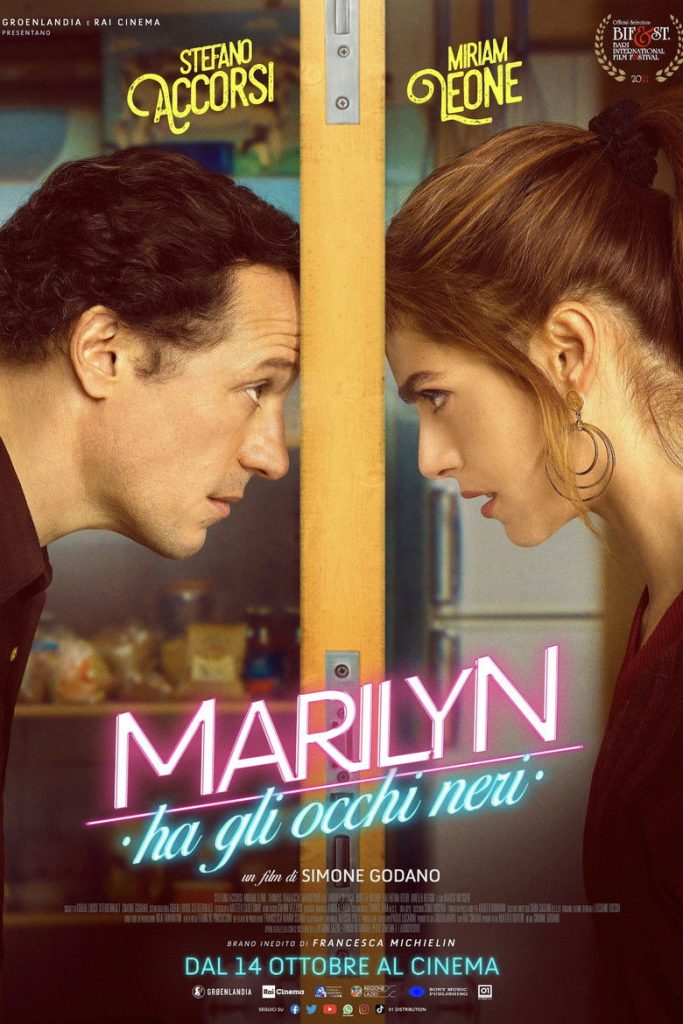
Story overview
Clara and Diego, patients at a day rehabilitation center for people with mental health challenges, decide to transform their treatment facility into a restaurant under the guidance of their psychiatrist. They involve their fellow patients in this unconventional project, blending therapy with culinary entrepreneurship in a comedic Italian setting.
Parent Guide
A gentle Italian comedy about mental health rehabilitation with positive messages about community and purpose. Suitable for most families with elementary-aged children and up.
Content breakdown
No violence or physical peril. The film focuses entirely on character interactions and comedic situations.
No scary or disturbing content. Some characters exhibit behaviors related to mental health conditions, but these are portrayed respectfully and comically.
No offensive language. The Italian dialogue (with subtitles) contains typical conversational speech without profanity.
No sexual content or nudity. The film maintains a family-friendly tone throughout.
No substance use depicted. The restaurant setting focuses on food preparation and service.
Mild emotional moments related to character growth and mental health challenges, balanced with comedic relief. The overall tone remains light and uplifting.
Parent tips
This Italian comedy focuses on mental health themes in a lighthearted way. The film portrays characters with various psychological conditions working together positively. No graphic content is present, but some mild comedic situations might require explanation for younger viewers about mental health stigma and rehabilitation.
Parent chat guide
Parent follow-up questions
- Did you like when the friends cooked together?
- What was your favorite part of the movie?
- Why do you think the restaurant helped the characters?
- How did the friends support each other?
- What does this film say about how society views mental health?
- How realistic do you think this rehabilitation approach is?
- How does this comedy handle serious themes without being disrespectful?
- What cultural differences in mental health treatment might exist between Italy and our country?
🎭 Story Kernel
At its core, 'Marilyn's Eyes' explores the destructive power of obsession through the lens of a failing artist who becomes fixated on recreating Marilyn Monroe's final moments. The film's true subject isn't Monroe herself, but how cultural icons become blank canvases for our own psychological projections. The protagonist's descent isn't driven by love for Monroe, but by his own artistic failure and the desperate need to find meaning through someone else's tragedy. The narrative cleverly reveals that he's not studying Monroe—he's studying her death, using it as a mirror for his own creative demise. The final twist—that his 'perfect' recreation is based on a fabricated photograph—exposes how easily we construct narratives to justify our obsessions.
🎬 Visual Aesthetics
The film employs a deliberate visual dichotomy between crisp, saturated colors in the protagonist's fantasy sequences and desaturated, grainy footage in reality. Director uses extreme close-ups of eyes throughout—not just Monroe's, but the artist's—creating a visual dialogue between observer and observed. The camera often lingers on reflective surfaces: mirrors, windows, even the glossy surface of photographs, suggesting the protagonist is always seeing versions of himself. The recreated 'last photoshoot' scene uses authentic 1960s camera equipment and lighting techniques, creating an uncanny valley effect that makes the artifice feel more real than reality. The color palette shifts from warm amber tones in fantasy to cold blue grays as his obsession consumes him.
🔍 Details & Easter Eggs
💡 Behind the Scenes
Lead actor spent six months learning 1960s photography techniques, developing his own film using period-accurate chemicals. The Monroe 'eyes' close-ups were created using a combination of archival footage and a body double whose eyes matched Monroe's unique iris pattern—researchers spent months analyzing Monroe's eye color variations in different lighting. The film's most controversial scene—the recreated death scene—was shot in the actual hotel layout of Monroe's final home, though not the exact location. Director insisted on using only natural light for all 'fantasy' sequences to emulate 1960s photography limitations.
Where to watch
Choose region:
- Netflix
- Netflix Standard with Ads