
Mary and Max (2009)
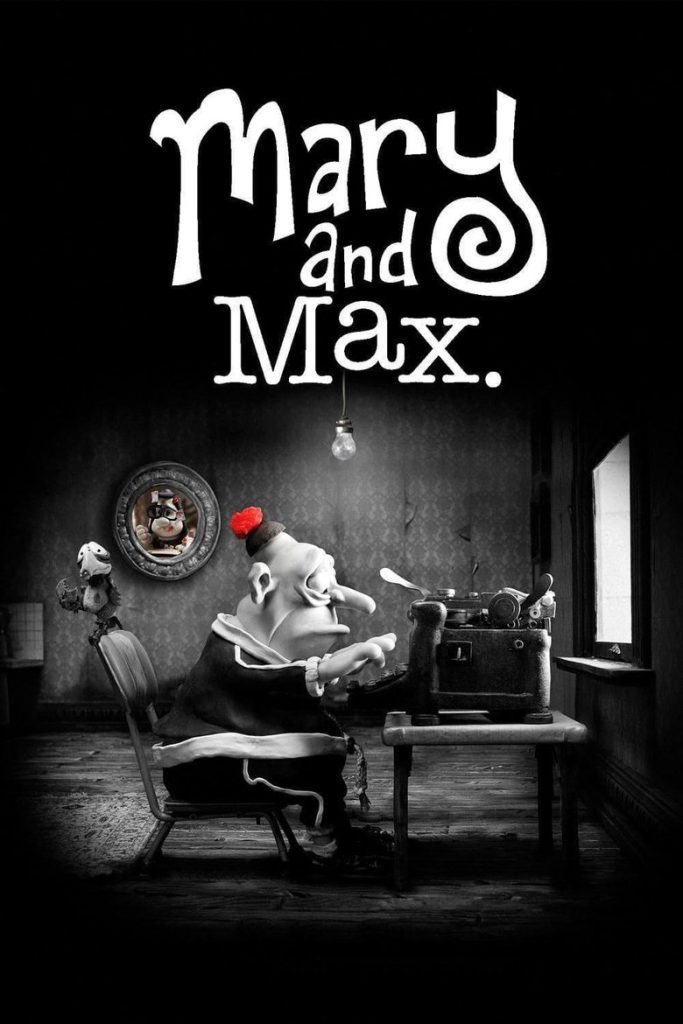
Story overview
Mary and Max is an Australian animated film that explores the unlikely friendship between two lonely individuals. Eight-year-old Mary from Melbourne and forty-four-year-old Max from New York become pen pals, sharing their lives across continents. The film uses claymation animation to tell a heartfelt story about connection, loneliness, and acceptance. While presented as a comedy-drama, it deals with mature themes through its unique visual style.
Parent Guide
A thoughtful animated film about friendship and loneliness that deals with mature themes requiring parental guidance for younger viewers.
Content breakdown
Some emotional distress and references to difficult life situations, but no physical violence or action sequences.
Themes of loneliness, depression, and social anxiety may be emotionally challenging. Some scenes depict characters experiencing emotional distress.
Occasional mild language appropriate to the characters' emotional states.
No sexual content or nudity present.
Brief references to adult behaviors but no explicit depiction of substance use.
Deals with themes of loneliness, mental health, and social isolation that create emotional weight throughout the film.
Parent tips
This film deals with themes of loneliness, mental health, and social isolation that may be challenging for younger viewers. The animation style is distinctive but the content addresses adult topics like depression, obesity, and social anxiety. Parents should be aware that while the film has comedic moments, its emotional core is quite serious and may require explanation for children.
Consider your child's sensitivity to discussions about mental health and social difficulties before viewing. The film portrays characters struggling with real-world issues in a way that's honest but potentially heavy for some ages. It's best suited for mature children who can process complex emotions with parental guidance.
Parent chat guide
After the film, focus conversations on what friendship means and how people can support each other despite differences. Emphasize that everyone faces challenges and that asking for help is a strength. Discuss how the characters' correspondence helped them feel less alone in the world.
Parent follow-up questions
- What did you think about the way the movie looked?
- How do you think Mary felt when she was lonely?
- What makes a good friend?
- Did you like how Mary and Max wrote letters to each other?
- What was your favorite part of the movie?
- Why do you think Mary and Max became friends?
- How did writing letters help the characters?
- What does it mean to feel lonely?
- How were Mary and Max different from each other?
- What did you learn about friendship from this movie?
- How does the film show that people can be lonely even in crowded places?
- What challenges did both characters face in their lives?
- Why is it important to accept people who are different from us?
- How did the friendship help both Mary and Max grow?
- What does the movie teach us about reaching out to others?
- How does the film portray mental health and social isolation?
- What commentary does the movie make about societal acceptance of differences?
- How effective was the animation style in conveying emotional themes?
- What does the friendship between Mary and Max reveal about human connection?
- How does the film balance humor with serious emotional content?
🎭 Story Kernel
At its core, 'Mary and Max' explores the human need for connection through the lens of shared brokenness. The film isn't about friendship in a conventional sense, but about two damaged souls who recognize their own fractures in each other. Mary's Australian suburban loneliness mirrors Max's New York City isolation, creating a dialogue about mental health, social alienation, and the search for understanding. Their correspondence becomes a lifeline—not because they solve each other's problems, but because they validate each other's existence. The tragedy emerges when this fragile connection strains under the weight of unrealistic expectations, revealing how even the purest bonds can be poisoned by the very vulnerabilities that created them.
🎬 Visual Aesthetics
The film's visual language creates a stark emotional landscape through its deliberate monochromatic palette. Mary's sepia-toned Australian suburbia feels washed-out and claustrophobic, mirroring her emotional isolation, while Max's New York exists in oppressive grayscale, reflecting his anxiety-ridden world. The claymation medium itself becomes symbolic—these characters are literally molded by their circumstances, their imperfections visible in every textured surface. Director Adam Elliot uses extreme close-ups on mundane objects (chocolate bars, typewriter keys) to elevate them to emotional signposts. The animation's jerky movements and imperfect textures paradoxically create more humanity than polished CGI ever could, making every emotional tremor physically palpable.
🔍 Details & Easter Eggs
💡 Behind the Scenes
Director Adam Elliot based Max's character on his own 20-year pen-pal relationship with a New Yorker named Max, though he emphasizes the film is '80% fiction.' The claymation required over 133,000 individually made frames, with animators creating six seconds of footage per week. Toni Collette and Philip Seymour Hoffman recorded their voice performances separately on different continents, never meeting during production—mirroring their characters' relationship. The film's budget was just $8 million Australian dollars, with Elliot using his Oscar win for 'Harvie Krumpet' to secure funding. All sets were built at 1/6 scale, with Max's New York apartment being the most detailed, containing over 100 miniature books.
Where to watch
Choose region:
- Hulu
- AMC Plus Apple TV Channel
- AMC+ Amazon Channel
- AMC+
- Philo
- Amazon Video
- Apple TV
- Google Play Movies
- YouTube
- Fandango At Home
- Kanopy
Trailer
Trailer playback is unavailable in your region.