
Mashaal (1984)
Story overview
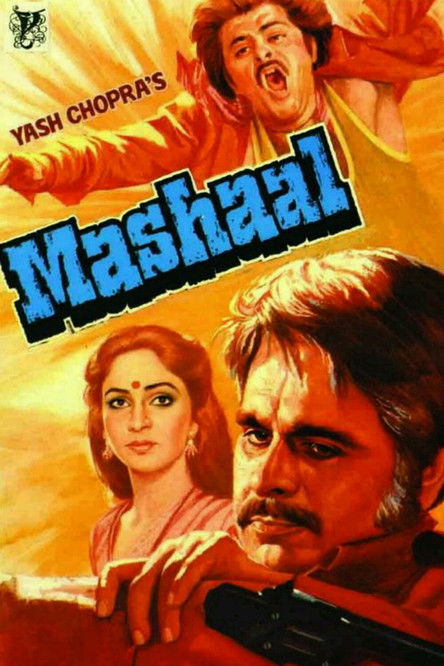
Mashaal is a 1984 Indian action drama about Vinod Kumar, an honest journalist who runs a newspaper called Mashaal. He attempts to expose the corrupt practices of a powerful politician and gangster, SK Vardhan. When his efforts lead to tragic consequences, Vinod's life is transformed from a principled reporter to a vengeful gangster, exploring themes of corruption, justice, and moral compromise.
Parent Guide
Mashaal is an action drama with mature themes about corruption, revenge, and moral transformation. While not excessively graphic, it contains moderate violence and intense emotional situations that require contextual understanding. Best for teens who can process the complex moral questions presented.
Content breakdown
Contains gangster violence including fights, confrontations, and some perilous situations. There are scenes of intimidation and criminal activities, but not excessively graphic by modern standards. The violence serves the narrative of the protagonist's transformation.
Some tense moments and dramatic confrontations that might be unsettling for younger viewers. The transformation of the main character from good to morally ambiguous could be conceptually disturbing. No horror elements or jump scares.
Mild language typical of 1980s Bollywood action films. No strong profanity. Some heated exchanges and confrontational dialogue.
No sexual content or nudity. The film focuses on crime, corruption, and personal transformation themes.
No depiction of substance use, smoking, or drinking shown in the film.
High emotional stakes as the protagonist experiences tragedy and undergoes a significant moral transformation. Themes of loss, betrayal, and revenge create emotional intensity. The film explores complex moral dilemmas that require emotional maturity to process.
Parent tips
This film contains moderate violence including gangster confrontations, fights, and some perilous situations. The transformation of the protagonist from journalist to gangster involves intense emotional themes and moral dilemmas. There's no sexual content or substance use shown, but the story deals with mature topics like corruption and revenge. Best suited for older children and teens who can understand the narrative context.
Parent chat guide
Parent follow-up questions
—
- What did Vinod want to stop in his newspaper?
- Why was it important for Vinod to tell the truth?
- How did Vinod try to help people at first?
- What made Vinod change from a journalist to a gangster?
- Do you think Vinod made the right choices? Why or why not?
- What does this movie teach us about fighting against wrong things?
- Analyze the moral transformation of Vinod - was it justified or tragic?
- How does the film comment on systemic corruption in society?
- Discuss the film's portrayal of vigilante justice versus institutional reform.
- What contemporary parallels can you draw from this 1984 film about media integrity?
🎭 Story Kernel
At its core, 'Mashaal' is a devastating study of moral corrosion, charting journalist Vinod's journey from righteous crusader to the very embodiment of the corruption he once fought. The film's true engine isn't plot, but the slow, inexorable erosion of principle under the weight of systemic rot and personal tragedy. Vinod's transformation isn't a sudden villain turn; it's a series of pragmatic compromises, each justified by the last, revealing how idealism dies not with a bang but with a whisper of 'what else could I do?' The movie posits that the system doesn't just punish the good—it co-opts them, proving more powerful by turning their energy against itself.
🎬 Visual Aesthetics
Director Yash Chopra and cinematographer Kay Gee employ a visual language of stark contrasts that mirror Vinod's internal conflict. The film opens in a world of sharp, high-contrast black and white newsprint aesthetics, representing journalistic clarity. As Vinod descends, the palette muddies into the shadowy, amber-lit interiors of the underworld, where moral lines blur. Key confrontations use tight, claustrophobic framing, trapping characters in the corners of the screen, visually suffocated by their choices. The recurring motif of fire (the 'mashaal' or torch) evolves from a symbol of truth to one of destructive power, its light now casting menacing, elongated shadows.
🔍 Details & Easter Eggs
💡 Behind the Scenes
This film marked a significant dramatic departure for its leading lady, Waheeda Rehman, known for ethereal roles, who delivered a powerfully grounded performance. A young Anil Kapoor, in a supporting role, reportedly studied Dilip Kumar's legendary method acting on set. The iconic climax was filmed at Mumbai's real-life docks, with the production negotiating night shoots to capture the authentic, gritty atmosphere. The title 'Mashaal' was almost changed, but Yash Chopra insisted it perfectly captured the film's theme of a guiding light being extinguished or misdirected.
Where to watch
Choose region:
- Netflix
- Netflix Standard with Ads
- Apple TV Store
- Google Play Movies
- YouTube