
Max Steiner: Maestro of Movie Music (2019)
Story overview
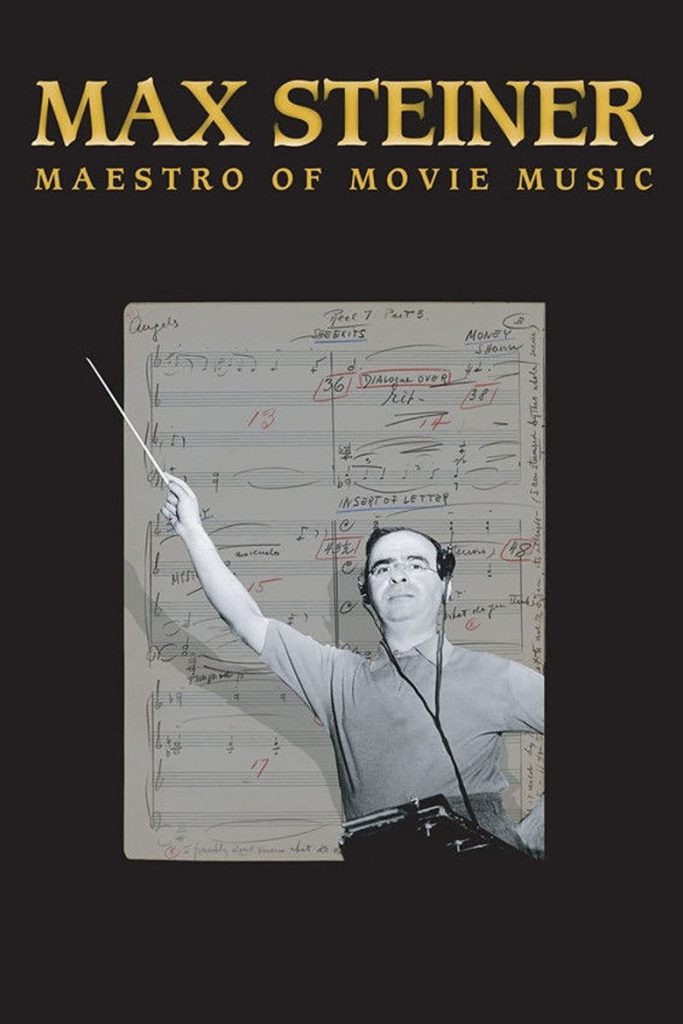
This documentary explores the life and career of Max Steiner, an Austrian-born composer who revolutionized film music in Hollywood. It covers his work on classic films like 'King Kong,' 'Gone with the Wind,' and 'Casablanca,' highlighting his influence on movie scoring through interviews, archival footage, and analysis of his compositions.
Parent Guide
A family-friendly documentary about film music history with no concerning content. Best for children aged 8 and up due to its educational focus and length.
Content breakdown
No violence or peril depicted; includes brief clips from films like 'King Kong' but in a historical context.
No scary or disturbing content; it's an informative look at music composition.
No offensive or strong language used.
No sexual content or nudity.
No depiction of substance use.
Mild emotional moments when discussing Steiner's life or the impact of his music, but nothing intense.
Parent tips
This documentary is suitable for children interested in music or film history. It contains no inappropriate content but may be slow-paced for younger viewers. Consider watching together to discuss the historical context and musical concepts.
Parent chat guide
Parent follow-up questions
—
- What instruments did you hear in the music?
- Can you hum a tune from the movie?
- Why do you think music is important in films?
- How did Max Steiner's background influence his work?
- How has film scoring evolved since Steiner's time?
- What impact did Steiner have on modern movie music?
🎭 Story Kernel
The film is less a traditional biography and more a forensic examination of cinematic DNA. It argues that Max Steiner didn't just compose film scores; he invented the very grammar of movie music, establishing the emotional vocabulary that defines Hollywood storytelling. The driving force isn't Steiner's personal ambition, but the relentless, almost obsessive, pursuit of a singular idea: that music must be an active, narrative character. We see this through his battle against the early 'silent film' mentality where music was mere accompaniment. The documentary's core tension lies in watching Steiner codify the rules—the swelling strings for romance, the ominous brass for danger—that later composers would both follow and rebel against. It positions him not as a nostalgic figure, but as the foundational architect whose blueprints are still visible in every modern blockbuster.
🎬 Visual Aesthetics
The visual language is a clever pastiche, mirroring Steiner's own compositional technique. It seamlessly intercuts grainy, high-contrast archival footage of Old Hollywood with crisp, contemporary interviews, creating a dialogue between past and present. The camera often lingers on close-ups of handwritten musical scores, treating them not as documents but as sacred texts, with the notes themselves becoming visual motifs. There's a deliberate use of color grading: the archival sections have a warm, sepia-toned glow, evoking nostalgia, while the modern segments are cooler and more analytical. This dichotomy visually reinforces the film's thesis—Steiner's work is historical artifact and living language simultaneously. The editing rhythm is particularly noteworthy, often cutting precisely on a musical cue from a Steiner score, making the edit itself feel 'composed.'
🔍 Details & Easter Eggs
💡 Behind the Scenes
The documentary faced a significant challenge in that Steiner, who died in 1971, left behind relatively few personal interviews. A great deal of his 'voice' is reconstructed through letters, studio ledger notes, and the vivid recollections of colleagues like composer David Raksin. Key interviews were filmed in the very scoring stage at Warner Bros. (Stage 7) where Steiner recorded many of his iconic works, using the ambient space to evoke his presence. Researchers uncovered several original pencil sketches that showed his meticulous process, often with notes to orchestrators like 'more bassoon here - character is sneaking.' The film's own score is intentionally composed using only instruments and recording techniques available in Steiner's era, as an audio homage.
Where to watch
Choose region:
- HBO Max
- HBO Max Amazon Channel