
Maybe Baby (2023)
Story overview
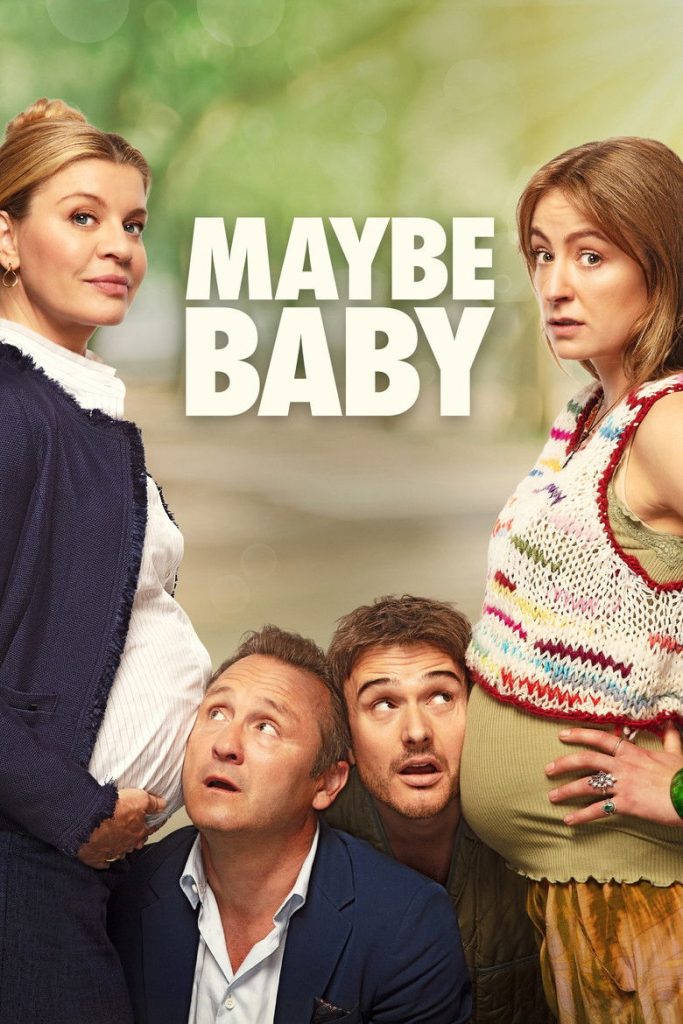
In this 2023 Danish comedy, two pregnant women discover their eggs were accidentally swapped at a fertility clinic. They must deal with this medical error while also coping with their mutual dislike for each other, leading to humorous and emotional situations as they navigate unexpected parenthood.
Parent Guide
A light comedy about pregnancy mix-ups with minimal concerning content. Suitable for mature elementary schoolers and up who can understand basic adult situations.
Content breakdown
No violence or physical danger. Some comedic tension between characters.
Nothing frightening. The premise might be confusing for young children but not scary.
Occasional mild expletives or frustration expressions in Danish (subtitled). Nothing severe.
References to fertility treatment and pregnancy. No explicit sexual content or nudity.
No depiction of alcohol, drugs, or smoking.
Some emotional moments related to pregnancy and family conflict, handled with humor.
Parent tips
This comedy focuses on adult themes like fertility treatment, pregnancy, and interpersonal conflict in a lighthearted way. It contains some mild language and comedic tension but no graphic content. Best for older children who can understand basic family dynamics.
Parent chat guide
Parent follow-up questions
—
- What was funny in the movie?
- Have you ever had a big mix-up with someone?
- Why do you think the clinic made this mistake?
- How would you solve this problem if you were one of the women?
- What makes someone a good parent?
- What ethical questions does this fertility mix-up raise?
- How does the movie portray modern family creation?
- Do you think the characters' initial dislike was realistic? Why?
🎭 Story Kernel
The film explores the fragile definition of parenthood through a nightmare scenario: a fertility clinic swap. It moves beyond the typical 'wrong baby' trope to examine the tension between genetic legacy and the physical experience of pregnancy. Cecil and Andreas represent the hyper-organized, affluent class who view life as a series of controlled milestones, while Liv and Malte embody a more fluid, organic existence. The narrative forces these disparate worlds to collide, questioning whether a child belongs to the DNA providers or the person who carries them. It is a sharp critique of the modern obsession with perfection and the biological clock, ultimately suggesting that the bond of motherhood is forged in the shared vulnerability of the process rather than just the laboratory results. The core conflict rests on the impossible choice between biological connection and the gestational bond formed over nine months.
🎬 Visual Aesthetics
Barbara Topsøe-Rothenborg utilizes a distinct visual palette to differentiate the two couples' environments, emphasizing their psychological states. Cecil’s world is characterized by cold, sterile whites and sharp architectural lines, mirroring her need for control and her clinical approach to life. In contrast, Liv’s surroundings are warmer, cluttered, and saturated with earthy tones, reflecting her more chaotic but grounded nature. The cinematography often uses tight framing during the clinic scenes to evoke a sense of entrapment and medical detachment. As the two couples are forced together, the visual boundaries begin to blur, with the lighting becoming more naturalistic and less staged, symbolizing the breakdown of their carefully constructed identities in the face of an uncontrollable biological reality. This visual evolution mirrors the characters' loss of control as they navigate the messy overlap of their lives.
🔍 Details & Easter Eggs
💡 Behind the Scenes
The film, titled 'Bytte bytte baby' in Danish, was a significant commercial success in Denmark, tapping into the country's tradition of social comedies with a contemporary edge. Director Barbara Topsøe-Rothenborg is well-known for her ability to balance humor with genuine emotional stakes, having previously directed the hit 'Loving Adults.' The lead actresses, Mille Dinesen and Katinka Lærke Petersen, were praised for their chemistry, which was essential for making the absurd premise feel grounded. The production focused on authentic depictions of Danish fertility clinics to ensure the inciting incident felt grounded in a recognizable medical reality.
Where to watch
Choose region:
- Netflix
- Netflix Standard with Ads