
Mea Maxima Culpa: Silence in the House of God (2012)
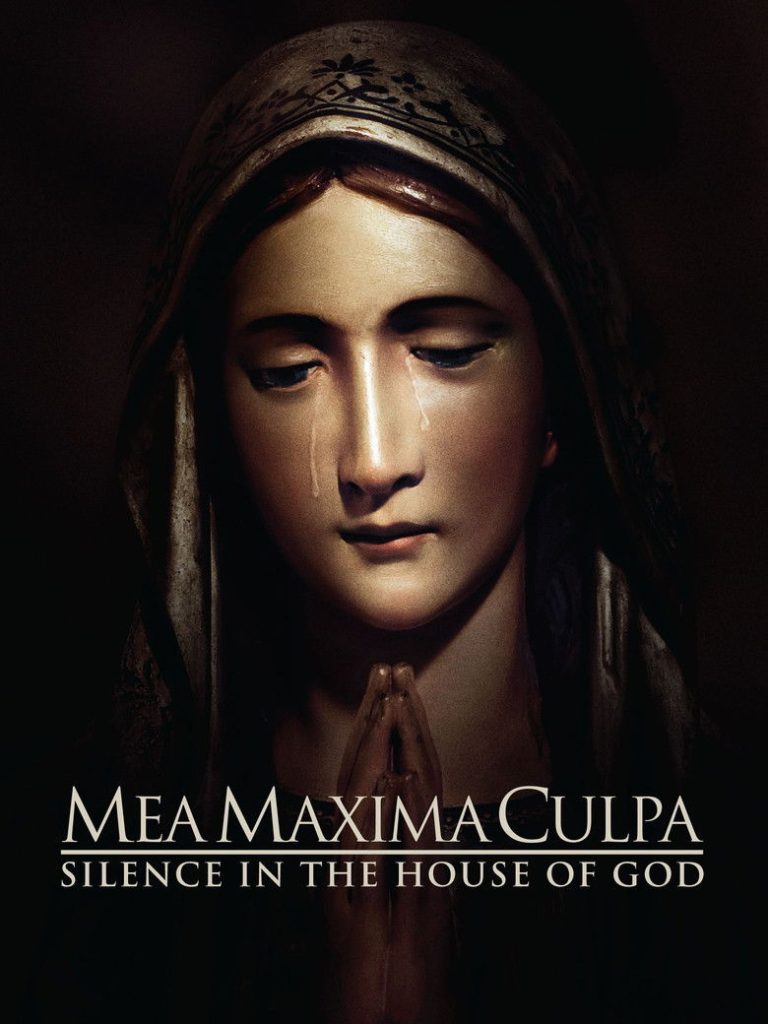
Story overview
This documentary investigates the systemic issue of sexual abuse within the Catholic Church, focusing on the first known public protest by victims in the United States and tracing the cover-up to the highest levels of the Vatican. It presents interviews with survivors, experts, and journalists, along with archival footage, to expose the institutional failures that allowed abuse to continue for decades.
Parent Guide
This documentary is intended for mature audiences due to its serious and distressing subject matter. It is not appropriate for children or young teens. Parental guidance is strongly advised for viewers 16 and older, with consideration of individual maturity and sensitivity.
Content breakdown
No physical violence is depicted, but the documentary discusses psychological and emotional harm from abuse. There are references to threats and intimidation used to silence victims.
The content is highly disturbing as it deals explicitly with child sexual abuse, cover-ups, and institutional betrayal. Survivor testimonies describe traumatic experiences, which may be emotionally overwhelming. Archival footage and discussions of abuse details are unsettling.
Occasional mild language may be present in interviews or archival clips, but it is not a focus. The tone is formal and investigative.
There is no nudity or explicit sexual scenes. However, the documentary discusses sexual abuse in detail, including descriptions of abusive acts by clergy, which is central to the film's subject matter.
No depiction or discussion of substance use.
The film is emotionally intense due to the gravity of the subject. Survivor stories evoke sadness, anger, and distress. Themes of betrayal, injustice, and institutional failure contribute to a heavy, thought-provoking atmosphere.
Parent tips
This film deals with mature, disturbing themes of child sexual abuse and institutional cover-up. It is not suitable for children. For mature teens (16+), consider watching together to provide context and support. The content is emotionally intense and may trigger strong reactions. Discuss the importance of speaking up about abuse and the role of institutions in protecting vulnerable individuals.
Parent chat guide
Parent follow-up questions
—
—
—
- What did you learn about how institutions can respond to abuse?
- How do you think the survivors showed courage?
- Why is it important for people to speak up about wrongdoing?
- What are ways communities can protect children from abuse?
🎭 Story Kernel
The film's core theme is the systemic betrayal of trust within the Catholic Church, framed not as isolated incidents but as institutional pathology. It explores how power structures weaponize silence—turning it from spiritual virtue into organizational complicity. The driving force isn't individual evil but a bureaucracy that prioritizes self-preservation over protecting the vulnerable. Through the victims' testimonies, the documentary reveals how spiritual authority was perverted into a shield for predators, making the Church's hierarchy complicit in perpetuating abuse rather than stopping it.
🎬 Visual Aesthetics
The visual language alternates between intimate interviews and chilling archival footage, creating a stark contrast between personal trauma and institutional coldness. Director Alex Gibney uses reenactments with actors' faces obscured, visually representing the Church's faceless bureaucracy. The color palette leans toward muted grays and blues during institutional segments, while victim interviews are warmer, emphasizing humanity versus system. Symbolically, empty church corridors and closed doors repeatedly appear, representing both the physical spaces where abuse occurred and the systemic barriers to truth.
🔍 Details & Easter Eggs
💡 Behind the Scenes
The film's title 'Mea Maxima Culpa' comes from the Latin Mass meaning 'through my most grievous fault.' Director Alex Gibney conducted extensive research through previously sealed Church documents and court records. Many interviews were filmed in Wisconsin where the first known case of deaf victims speaking out originated. The documentary features actual audio recordings from Church meetings obtained through legal discovery, adding visceral authenticity. It was part of HBO's documentary series that often tackles institutional corruption.
Where to watch
Choose region:
- HBO Max
- HBO Max Amazon Channel
- Amazon Video
- Apple TV Store
- Google Play Movies
- YouTube
- Fandango At Home
Trailer
Trailer playback is unavailable in your region.