
Memento (2000)
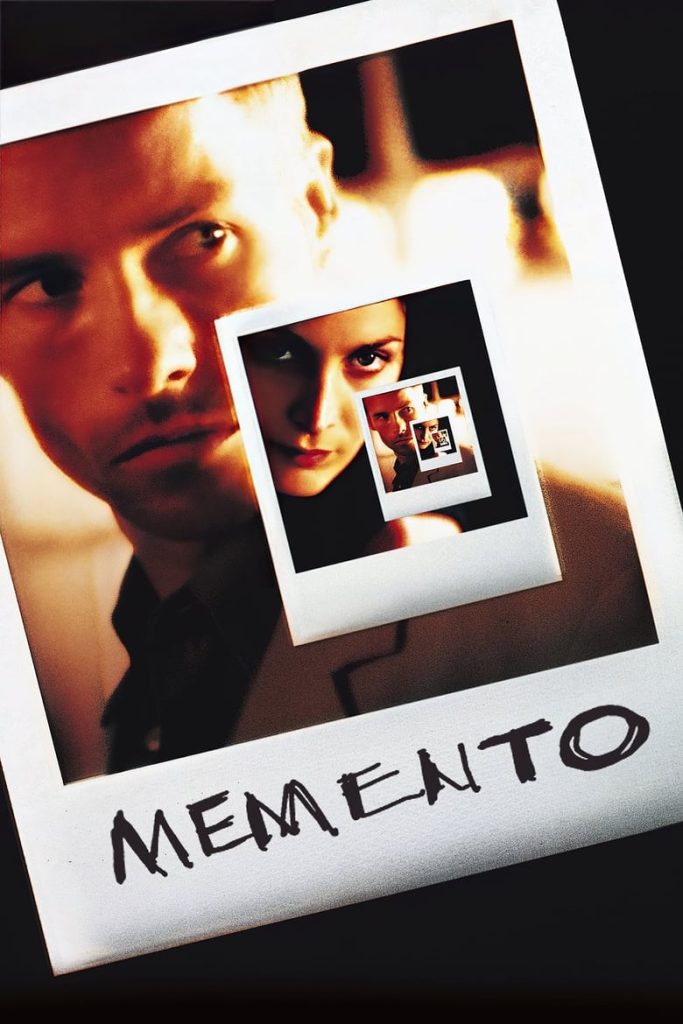
Story overview
Memento is a psychological thriller that follows a man with severe short-term memory loss as he tries to solve his wife's murder. The film uses a unique non-linear narrative structure that presents scenes in reverse chronological order, mirroring the protagonist's fragmented memory. This storytelling approach creates a complex puzzle-like experience where viewers piece together the mystery alongside the main character. The film explores themes of memory, truth, and revenge through its unconventional narrative technique.
Parent Guide
A complex psychological thriller with mature themes, violence, and challenging narrative structure best suited for older teens.
Content breakdown
Contains shootings, physical confrontations, and scenes of peril. Violence is not excessively graphic but occurs in tense situations.
Psychological tension and manipulation create disturbing atmosphere. The memory loss condition and narrative confusion can be unsettling.
Contains strong language including profanity throughout the film. Language is consistent with R-rated thriller genre.
Brief sexual references and situations. No explicit nudity or graphic sexual content.
Scenes involving drug use and manipulation with substances. Not glorified but present as plot elements.
High psychological tension, themes of grief and revenge, and confusing narrative structure create significant emotional intensity.
Parent tips
Memento is rated R for violence, language, and some drug content. The film contains several violent scenes including shootings, physical confrontations, and brief but intense moments of peril. Strong language appears throughout the film, and there are scenes involving drug use and manipulation. The non-linear, reverse-chronological storytelling may be confusing for younger viewers and requires significant attention to follow the complex narrative structure.
The psychological aspects of the film, including the protagonist's memory condition and the manipulation he experiences, create a tense and sometimes disturbing atmosphere. The film deals with mature themes of grief, revenge, and the unreliability of memory that may be challenging for younger audiences to process. Parents should be aware that the film's structure intentionally creates disorientation and confusion as part of its storytelling approach.
Parent chat guide
After watching, focus on discussing how the storytelling affected their experience. Ask about how the memory loss condition shown in the film might feel and what challenges it creates. Discuss the ethical questions raised by the film about truth, manipulation, and revenge. Help them process any confusing or disturbing elements by talking through the narrative structure and character motivations.
Parent follow-up questions
- Did you understand what was happening in the movie?
- How did the man's memory problem make you feel?
- What was confusing about the way the story was told?
- Can you remember what happened at the beginning of the movie?
- What do you think about stories that go backward instead of forward?
- How did the backward storytelling affect your understanding of the plot?
- What challenges did the main character face because of his memory?
- How did you feel when you realized the story was going in reverse?
- What parts were most confusing or difficult to follow?
- How do you think memory affects how we understand events?
- How did the non-linear narrative structure enhance or hinder the storytelling?
- What does the film suggest about the reliability of memory and truth?
- How were characters manipulated through the protagonist's memory condition?
- What ethical questions does the film raise about revenge and justice?
- How did the film's structure affect your emotional engagement with the story?
- How does the film's narrative structure reflect the protagonist's psychological state?
- What commentary does the film make about the construction of identity through memory?
- How does the film explore the theme of manipulation versus self-deception?
- What philosophical questions about truth and perception does the film raise?
- How does the reverse chronology affect the viewer's moral judgment of characters?
🎭 Story Kernel
Memento isn't about memory loss—it's about the stories we tell ourselves to survive. Leonard Shelby's condition isn't just a plot device; it's the ultimate metaphor for how we all construct narratives to justify our actions. He's not solving a mystery; he's manufacturing one, tattooing 'facts' onto his body to create a purpose where none exists. The real tragedy isn't his wife's death (which he may have caused through insulin overdose), but his refusal to accept that solving her murder won't heal him. Teddy's final revelation—'You don't want the truth. You make up your own truth'—exposes how Leonard chooses his prison of vengeance over the unbearable freedom of uncertainty.
🎬 Visual Aesthetics
The film's dual narrative structure is mirrored in its visual language: color sequences move backward in time, while black-and-white segments move forward, creating a perfect cinematic representation of disorientation. Christopher Nolan uses extreme close-ups on tattoos, Polaroids, and objects to mimic Leonard's fragmented perspective. The desaturated color palette of the present contrasts with warmer tones in flashbacks, visually distinguishing memory from immediate experience. Camera movements are often static in black-and-white scenes (Leonard's hotel room) but become handheld and chaotic during color sequences, reflecting his psychological state. The recurring motif of reversed footage—blood retreating into a head wound, a bullet returning to a gun—makes the audience experience time as Leonard does.
🔍 Details & Easter Eggs
💡 Behind the Scenes
Guy Pearce studied amnesia patients and developed Leonard's physicality by observing how they'd constantly reorient themselves in space. The tattoo scenes used real tattoo artists on set for authenticity. Nolan wrote the screenplay backward, starting with the ending and working toward the beginning to maintain the reverse chronology's logic. The film was shot in just 25 days on a $5 million budget, with many locations being practical settings around Los Angeles rather than constructed sets. Joe Pantoliano (Teddy) and Carrie-Anne Moss (Natalie) were both coming off The Matrix fame but took pay cuts for this unconventional project.
Where to watch
Choose region:
- Amazon Prime Video
- Peacock Premium
- Amazon Prime Video with Ads
- Peacock Premium Plus
- Amazon Video
- Google Play Movies
- YouTube
- Fandango At Home
- Apple TV
- The Roku Channel
- Pluto TV
- The CW
- Kanopy
- Hoopla
- Plex
- Plex Channel
Trailer
Trailer playback is unavailable in your region.