
Memphis Belle in Color (2019)
Story overview
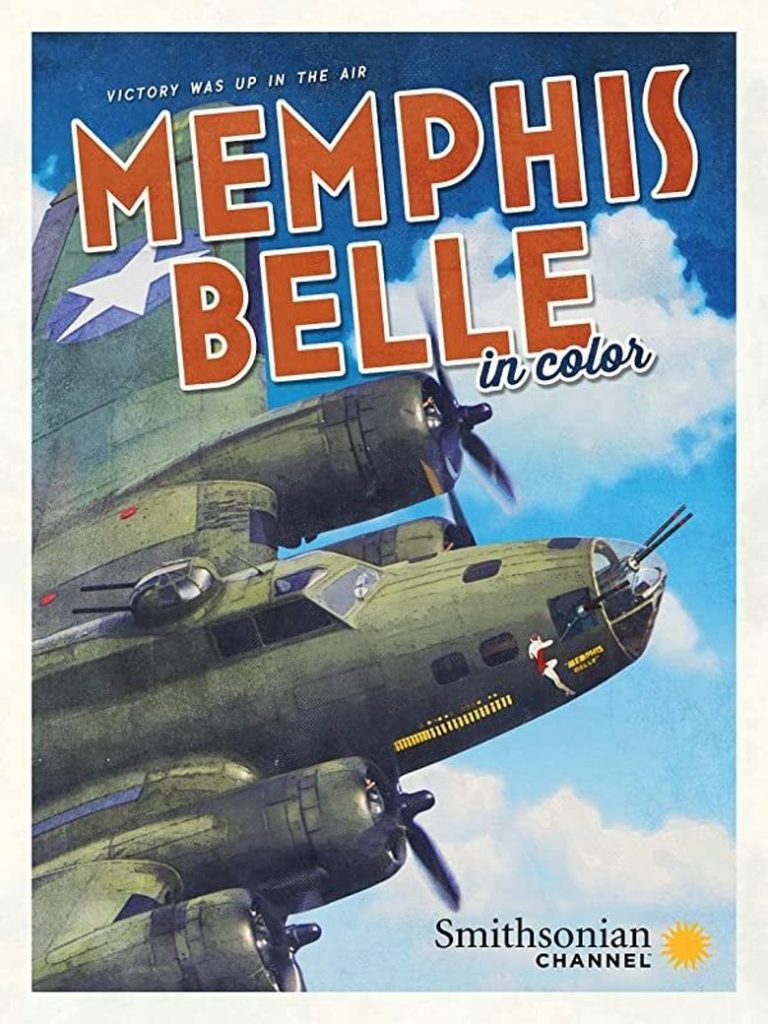
Memphis Belle in Color is a 2019 documentary that explores the history of the famous B-17 bomber from World War II. Using colorized archival footage, it depicts the aircraft's missions and significance during the war. The film focuses on historical context and the technological aspects of aviation during that era.
Parent Guide
A historical documentary featuring colorized World War II footage of bomber missions. While not graphic, it shows real combat situations that may be intense for younger viewers.
Content breakdown
Includes footage of aircraft in combat, being shot down, and wartime destruction. While not graphically violent, the reality of war is present through archival footage.
Some scenes of aircraft in peril and wartime destruction might be unsettling for sensitive viewers, particularly due to the colorized footage making events feel more immediate.
As a documentary using historical footage, there is no notable offensive language.
No sexual content or nudity present in this historical documentary.
No depiction of substance use in the archival footage.
The reality of wartime footage, particularly with colorization, creates emotional weight around the historical events depicted.
Parent tips
This documentary presents historical war footage in a colorized format, which may make the content more visually engaging but also more realistic for younger viewers. Since it's a war documentary, it includes scenes of aircraft in combat situations, though the focus is primarily on historical and technical aspects rather than graphic violence.
Parents should be aware that while this isn't a fictional war movie with dramatized violence, the documentary does show real wartime footage that includes aircraft being shot down and combat situations. The colorization may make these scenes feel more immediate than traditional black-and-white archival footage.
Parent chat guide
For older children, this could be an opportunity to discuss how documentaries present history and why we preserve historical footage. You could also discuss how colorization affects our perception of historical events and whether it changes how we understand the past.
Parent follow-up questions
- What did you notice about the airplanes in the movie?
- What colors did you see in the film?
- How do you think the pilots felt flying those big planes?
- What made the Memphis Belle special compared to other airplanes?
- How do you think colorizing old footage changes how we see history?
- What do you think was the hardest part about being a pilot in World War II?
- Why do you think this particular bomber became so famous?
- How does this documentary help us understand World War II differently?
- What responsibilities do documentary filmmakers have when showing historical events?
- How does the colorization of archival footage affect historical authenticity?
- What ethical considerations arise when presenting war footage in documentary form?
- How does this film balance technical aviation history with human stories of war?
🎭 Story Kernel
At its core, 'Memphis Belle' is less about the final mission than about the psychological erosion of duty. The film expresses how institutionalized heroism masks individual terror—these young men aren't driven by patriotism but by the quiet, desperate pact to get each other home. Every character represents a different coping mechanism: Danny's technical obsession, Val's fatalistic humor, Luke's religious bargaining. The real conflict isn't against German fighters but against the creeping realization that survival is statistical, not earned. The movie's genius lies in showing how camaraderie becomes both the soldiers' salvation and their greatest vulnerability when loss inevitably comes.
🎬 Visual Aesthetics
The colorization transforms the film from historical document to visceral experience. Where the original black-and-white created emotional distance, color makes the cold sweat on pilots' faces tangible—the sickly yellow of oxygen masks, the shocking crimson of blood against olive drab uniforms. Michael Caton-Jones employs claustrophobic cockpit shots that make viewers feel the same trapped anxiety as the crew, then contrasts them with terrifyingly vast aerial wide shots where B-17s look like specks in a lethal sky. The restored color palette emphasizes the surreal beauty of flak explosions—orange and black flowers blooming in formation—making the violence both horrifying and strangely aesthetic.
🔍 Details & Easter Eggs
💡 Behind the Scenes
The film's B-17 Flying Fortress wasn't the actual Memphis Belle but a surviving aircraft painted to match—one of only a dozen still airworthy worldwide. Director Michael Caton-Jones insisted the cast live together in barracks during filming, leading to genuine bonds that translate on screen. Most aerial sequences used real B-17s at dangerous low altitudes rather than models or CGI, with cameras mounted on accompanying planes. The colorization process took two years, using original camera negatives and consulting WWII color photographs to ensure historical accuracy in every hue from uniform shades to cockpit instrument lighting.
Where to watch
Choose region:
- fuboTV
- Paramount Plus
- Magellan TV
- A&E Crime Central Apple TV Channel
- Xive TV Documentaries Amazon Channel
- The Roku Channel
- Fandango at Home Free
- Runtime
- Tubi TV
- Amazon Video
- Apple TV
- Google Play Movies
- YouTube
- Fandango At Home