
Meru (2015)
Story overview
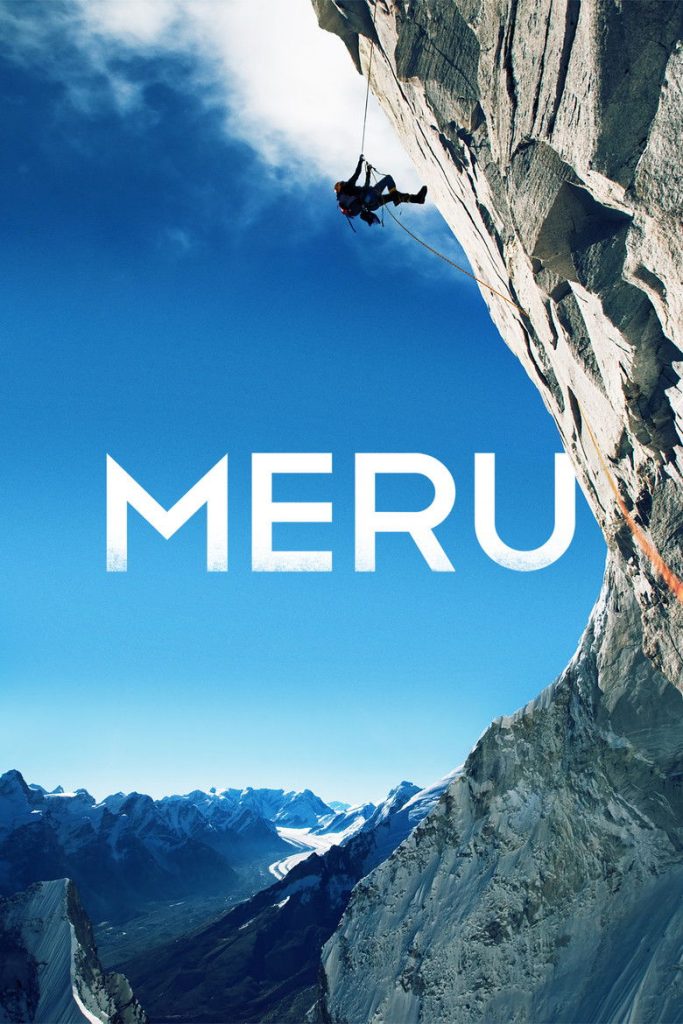
Meru is a gripping 2015 documentary that follows three elite American climbers—Conrad Anker, Jimmy Chin, and Renan Ozturk—as they attempt the first ascent of the Shark's Fin route on Mount Meru in the Indian Himalayas. The film combines breathtaking cinematography with personal storytelling, exploring themes of perseverance, friendship, and the human drive to conquer nature's most formidable challenges. Directed by Jimmy Chin and Elizabeth Chai Vasarhelyi, it offers an intimate look at the physical and emotional toll of high-altitude climbing.
Parent Guide
Meru is an intense documentary about extreme mountain climbing that features strong language and realistic depictions of life-threatening situations. While educational and inspiring regarding human achievement, it may be too stressful for younger viewers.
Content breakdown
Frequent intense peril as climbers face avalanches, falling ice, extreme weather, and life-threatening situations at high altitude. No graphic violence, but constant danger is central to the film.
Tense climbing sequences with real risk of death. Discussions of past climbing accidents and deaths. Some viewers may find the height and exposure disturbing.
Occasional strong profanity including f-words, s-words, and other expletives, typical of documentary-style recordings in stressful situations.
No sexual content or nudity.
No depiction of alcohol, drugs, or tobacco use.
High emotional intensity throughout as climbers face extreme danger, discuss personal losses (including death of a spouse), and experience failure and perseverance. Themes of mortality, grief, and human limits are prominent.
Parent tips
Meru is rated R primarily for language and intense perilous situations. While there's no graphic violence, sexual content, or substance use shown, the documentary features strong profanity and depicts life-threatening climbing scenarios that may be too intense for younger viewers. The emotional intensity is high as climbers face extreme danger and discuss personal losses. Best suited for mature teens who can handle realistic depictions of risk and occasional strong language. Consider watching together to discuss risk assessment, teamwork, and pursuing ambitious goals safely.
Parent chat guide
Parent follow-up questions
—
- What was the hardest part of climbing the mountain?
- How did the climbers help each other?
- Would you want to climb a big mountain like that?
- Why do you think the climbers kept trying even after failing?
- What safety equipment did you notice them using?
- How did the weather make their climb more difficult?
- What ethical questions does extreme alpinism raise about risk versus reward?
- How does the film use cinematography to convey both beauty and danger?
- Discuss the psychological aspects of high-altitude climbing shown in the documentary.
🎭 Story Kernel
At its core, 'Meru' is a meditation on the psychology of obsession, not the physicality of climbing. The film reveals that the true summit isn't the Shark's Fin but the internal peak of an unshakable, almost pathological, need to return and finish. The characters are driven by a complex cocktail of ego, trauma, and a profound, unspoken brotherhood forged in shared failure. Conrad Anker's grief over the loss of his mentor, Mugs Stump, on the same peak becomes the ghost that haunts the expedition, transforming the climb from a challenge into a necessary exorcism. The narrative tension comes not from 'will they make it?' but from 'why must they keep trying?' It's a story about the moment a passion curdles into a compulsion.
🎬 Visual Aesthetics
The visual language of 'Meru' is one of brutal intimacy and claustrophobic grandeur. Directors Jimmy Chin and E. Chai Vasarhelyi masterfully juxtapose breathtaking, wide-angle shots of the Himalayan expanse with suffocating, helmet-cam POV footage from inside the ice-choked 'House of Cards' chimney. The color palette is stark: the blinding white of snow, the cold blue of glacial ice, and the dark, oppressive black of granite and storm clouds. There is no romantic filter; the camera shudders with cold, frost obscures the lens, and the climbers' exhausted, frostbitten faces are shown in unflinching close-up. This isn't glamorous adventure cinematography; it's a visceral, first-person document of suffering and tenacity, making the audience feel the bite of the wind and the terrifying exposure of a 4,000-foot wall.
🔍 Details & Easter Eggs
💡 Behind the Scenes
The film's production was nearly as harrowing as the climb. Cinematographer Renan Ozturk suffered a near-fatal skiing accident just months before the final expedition, fracturing his skull and neck. Against medical advice, he joined the team, filming much of the summit push while still recovering. The iconic summit photo was taken with a camera left on a timer, as all three men were too exhausted and cold to operate it manually. Much of the footage from the first, failed attempt was captured by Jimmy Chin using a camera rigged to his helmet with duct tape and ski straps, born from sheer necessity in the impossible conditions of the 'House of Cards'.
Where to watch
Choose region:
- Netflix
- Amazon Prime Video
- fuboTV
- Curiosity Stream
- Philo
- OVID
- Fandor Amazon Channel
- Netflix Standard with Ads
- CuriosityStream Apple TV Channel
- Amazon Prime Video with Ads
- DocuramaFilms Amazon Channel
- The Roku Channel
- Fandango at Home Free
- Amazon Prime Video Free with Ads
- Tubi TV
- Amazon Video
- Apple TV Store
- Google Play Movies
- YouTube
- Fandango At Home
- MovieMe
Trailer
Trailer playback is unavailable in your region.