
Mickey’s Christmas Carol (1983)
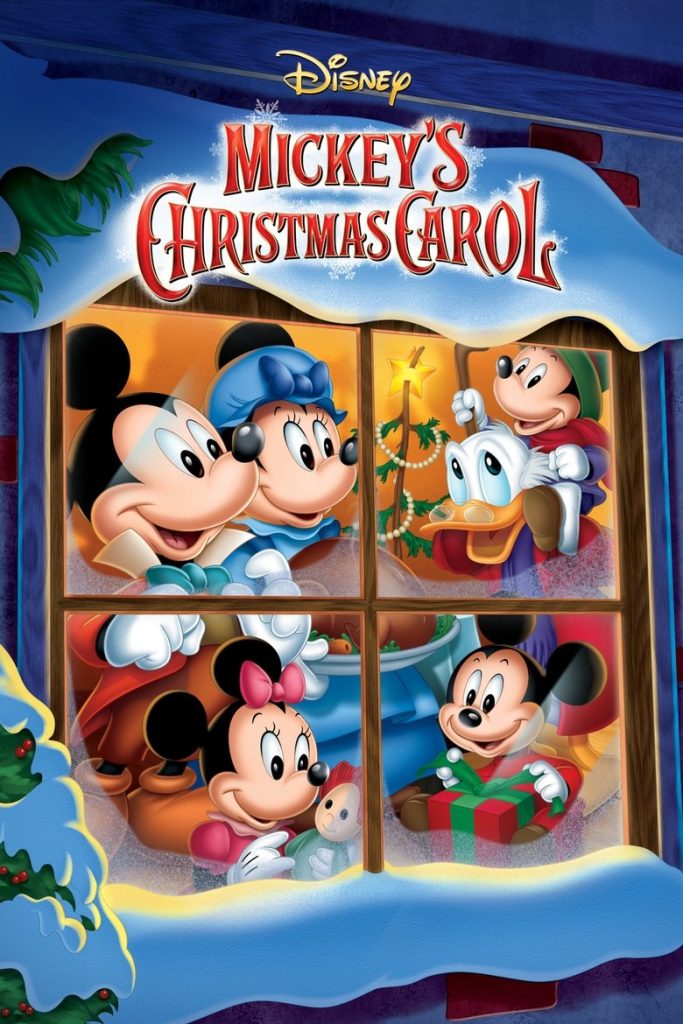
Story overview
Mickey's Christmas Carol is a 1983 animated Disney adaptation of Charles Dickens' classic story, featuring beloved Disney characters in key roles. The short film follows Ebenezer Scrooge, portrayed as a miserly duck, as he learns about the true meaning of Christmas through visits from three spirits. With a runtime of just 25 minutes, it presents the timeless tale in an accessible, family-friendly format that maintains the story's moral lessons while using familiar animated characters.
Parent Guide
A gentle, family-friendly adaptation of a classic story with positive messages about kindness and redemption.
Content breakdown
No violence or physical peril present.
Brief ghost appearances might startle very young children but are not graphic or prolonged.
No offensive language.
No sexual content or nudity.
No substance use depicted.
Themes of regret and redemption create mild emotional moments, balanced by uplifting resolution.
Parent tips
This G-rated Disney adaptation is generally appropriate for all ages, presenting Dickens' classic story with gentle humor and familiar characters. The film includes some mild spooky elements when the ghosts appear, but these scenes are brief and not graphically frightening. Parents should note that themes of greed, regret, and redemption are central to the story, which may prompt discussions about kindness and generosity.
The short runtime makes this an excellent introduction to classic literature for young viewers, and the Disney character cameos will delight children familiar with Mickey Mouse and friends. The film's message about the importance of compassion and community aligns well with holiday values.
Parent chat guide
After watching, focus conversations on the story's positive messages about change and redemption. Ask what lessons Scrooge learned and how children can practice kindness in their own lives. The film provides excellent opportunities to discuss how people can grow and improve, even after making mistakes.
Parent follow-up questions
- What was your favorite character in the movie?
- How did Scrooge feel at the beginning versus the end?
- What nice things did Scrooge do at the end?
- Can you name something kind you could do for someone?
- What makes you feel happy during the holidays?
- Why do you think Scrooge was so grumpy at first?
- What did the ghosts want to teach Scrooge?
- How did Scrooge's actions affect other characters?
- What does it mean to be generous?
- Have you ever changed your mind about something important?
- What do you think was the most important lesson Scrooge learned?
- How does this story connect to real-life situations?
- Why do you think stories about redemption are so popular?
- What are some ways people show they care about their community?
- How can someone make positive changes in their behavior?
- What social commentary does this classic story provide?
- How does this adaptation compare to other versions you've seen?
- What timeless themes does this story explore?
- How do the Disney character choices affect the story's interpretation?
- What makes this story continue to resonate with audiences today?
🎭 Story Kernel
The film's core theme is the accessibility of redemption through emotional confrontation rather than moral preaching. Scrooge McDuck's transformation isn't driven by intellectual realization of economic principles but by visceral, fear-based empathy—the Ghost of Christmas Yet to Come doesn't speak but shows him his own neglected grave and Tiny Tim's empty stool. What's truly expressed is that even Disney's most famously miserly character operates on buried sentimentality; his greed is portrayed as emotional armor rather than inherent malice. The driving force is memory's emotional weight—seeing his younger self abandon Belle for gold makes his present isolation feel earned rather than accidental.
🎬 Visual Aesthetics
The animation employs a deliberate nostalgic aesthetic, blending 1940s character designs with 1980s limited animation techniques that create emotional resonance through simplicity. Notice how Scrooge's counting house uses muted browns and grays while Christmas Present scenes explode in warm golds and reds—this isn't subtle symbolism but direct emotional coding. The camera lingers on character reactions rather than action sequences, particularly in close-ups of Scrooge's widening eyes as each ghost reveals their lessons. The Ghost of Christmas Past's ethereal glow against dark backgrounds visually isolates memories as sacred moments, while Jacob Marley's chains clank with exaggerated physics that make abstract guilt tactile.
🔍 Details & Easter Eggs
💡 Behind the Scenes
This 1983 short marked Mickey Mouse's first theatrical appearance in 30 years, with Wayne Allwine voicing Mickey for only the second time ever. Alan Young, who voiced Scrooge McDuck, would reprise the role for DuckTales just four years later, making this performance the definitive vocal blueprint. The production reused animation cycles from 1974's 'The Tiny Tree' Christmas special to meet its tight schedule, with some background artists working on both projects. Notably, this was the last Disney animation project supervised by Woolie Reitherman before his retirement.
Where to watch
Choose region:
- Disney Plus
- Amazon Video
- Apple TV
- Google Play Movies
- YouTube
- Fandango At Home
Trailer
Trailer playback is unavailable in your region.