Midsommar (2019)
Story overview
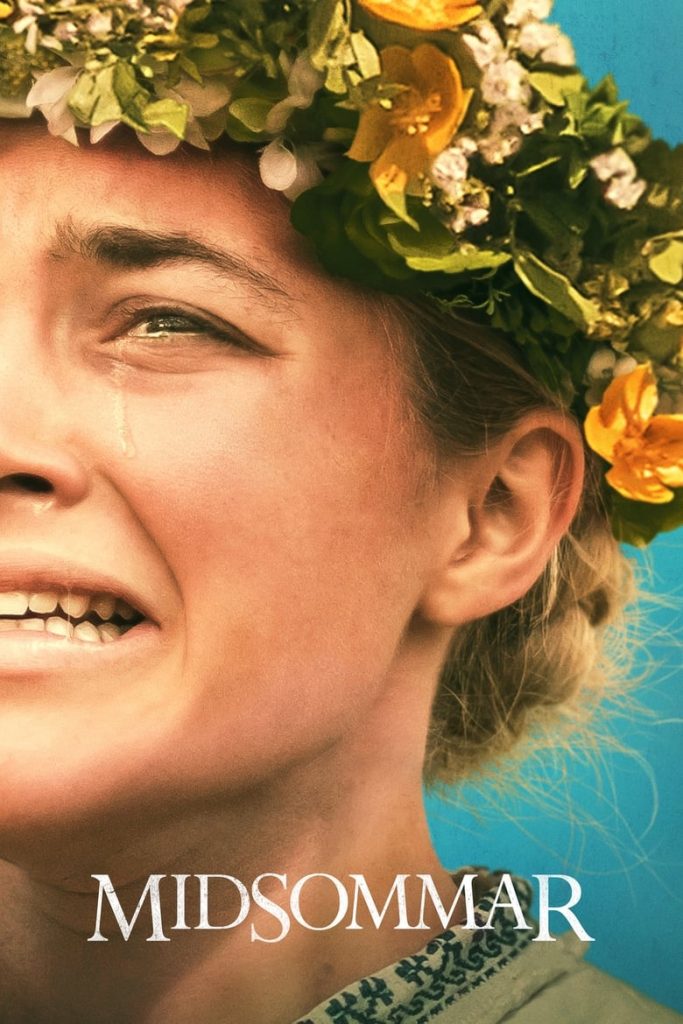
Midsommar is a 2019 horror drama that follows a group of friends who travel to a remote Swedish village for a midsummer festival. What begins as an idyllic cultural experience gradually reveals disturbing traditions and rituals. The film explores themes of grief, relationships, and cultural differences through increasingly unsettling events.
Parent Guide
This is an intense psychological horror film with graphic content suitable only for mature audiences. The R rating reflects strong violence, disturbing imagery, sexual content, and drug use.
Content breakdown
Contains graphic violence including ritualistic harm, suicide scenes, and bodily injury. The violence is often sudden and psychologically intense.
Features deeply disturbing psychological horror, ritualistic practices, and unsettling imagery. The bright setting creates unique but intense fear elements.
Includes some strong language and verbal conflicts between characters. The dialogue contains emotional intensity and confrontational exchanges.
Contains explicit sexual content, nudity, and ritualistic sexual elements. These scenes are integral to the plot but graphic in nature.
Features drug use including hallucinogenic substances. Characters consume various substances as part of rituals and social situations.
High emotional intensity throughout, dealing with grief, trauma, manipulation, and psychological distress. The film creates sustained tension and discomfort.
Parent tips
This R-rated film contains intense psychological horror, graphic violence, disturbing rituals, and strong sexual content. It is not suitable for children or younger teens. Parents should be aware that the film includes scenes of suicide, ritualistic violence, and drug use that could be deeply unsettling for viewers.
The film's bright, sunlit setting contrasts with its dark themes, creating a unique but potentially confusing horror experience. The slow-building tension and cultural elements might require discussion about different belief systems and how grief affects people.
Due to the mature themes and graphic content, this film is best reserved for older teens and adults who can process its complex psychological elements. Parents should preview the film before considering it for any teen viewers.
Parent chat guide
Discuss the difference between cultural traditions and harmful practices, and how the film portrays grief and emotional support. This can lead to conversations about healthy relationships and coping mechanisms during difficult times.
Consider asking about the film's visual style and how the bright setting affects the viewing experience. This can help process the disturbing content through artistic appreciation rather than focusing solely on the horror elements.
Parent follow-up questions
- What colors did you see in the movie?
- Did you see any flowers or nature in the story?
- What sounds did you hear in the background?
- Were there any happy moments you remember?
- What was your favorite part to watch?
- What was the setting of this movie like?
- How did the characters show they were friends?
- What made some parts of the movie feel different from others?
- What traditions did you notice in the story?
- How did the music make you feel during the movie?
- How did the characters handle being in a new place?
- What cultural differences did you notice in the film?
- How did the bright setting affect the story's mood?
- What emotions did the main character experience?
- What did you learn about different community traditions?
- How does the film explore themes of grief and loss?
- What commentary does the film make about relationships and dependency?
- How does the visual style contribute to the psychological horror?
- What cultural observations did you make about the community portrayed?
- How does the film handle the concept of tradition versus modernity?
🎭 Story Kernel
At its core, 'Midsommar' is a film about the violent, necessary dissolution of a toxic relationship and the search for a new, communal form of grief. Dani's journey isn't about being brainwashed by a cult, but about finding a grotesque mirror for her own profound, isolating sorrow. Her boyfriend Christian represents the modern, emotionally unavailable partner whose neglect is a quiet violence. The Hårga's extreme rituals—shared screaming, shared trauma—offer a perverse catharsis that her American life cannot. The film argues that the horror isn't the cult's barbarism, but the recognition that Dani's old world offered her nothing but solitary suffering. Her final smile is one of horrific, genuine release.
🎬 Visual Aesthetics
Ari Aster weaponizes daylight. The horror unfolds in a blinding, overexposed Swedish summer, subverting the genre's reliance on darkness and shadows. The camera often employs wide, static shots, making the viewer a passive, helpless witness to the unfolding atrocities, much like Dani herself. The color palette is aggressively bright—whites, yellows, floral patterns—creating a dissonant, nauseating beauty. Key symbols are baked into the set design: the May Queen tapestry foreshadows Dani's fate from her first moment in the commune, and the bear in the temple is a direct, brutal metaphor for Christian's final role as the 'bear in a cage,' sacrificed for his sins.
🔍 Details & Easter Eggs
💡 Behind the Scenes
Florence Pugh prepared for Dani's grief-stricken, hyperventilating cries by studying videos of panic attacks. The disturbing 'shared screaming' ritual was largely improvised by the cast based on Aster's direction. The film was shot in Hungary, not Sweden, with the main Hårga village constructed from scratch. The intricate, rune-covered costumes and textiles were all custom-made, with many patterns containing hidden narrative symbols. Jack Reynor (Christian) and William Jackson Harper (Josh) learned some Swedish for their roles, though much of the dialogue was later dubbed by native speakers for authenticity.
Where to watch
Choose region:
- HBO Max
- HBO Max Amazon Channel
- Cinemax Amazon Channel
- Cinemax Apple TV Channel
- Amazon Video
- Apple TV
- Google Play Movies
- YouTube
- Fandango At Home
Trailer
Trailer playback is unavailable in your region.