
Mike Tyson: Undisputed Truth (2013)
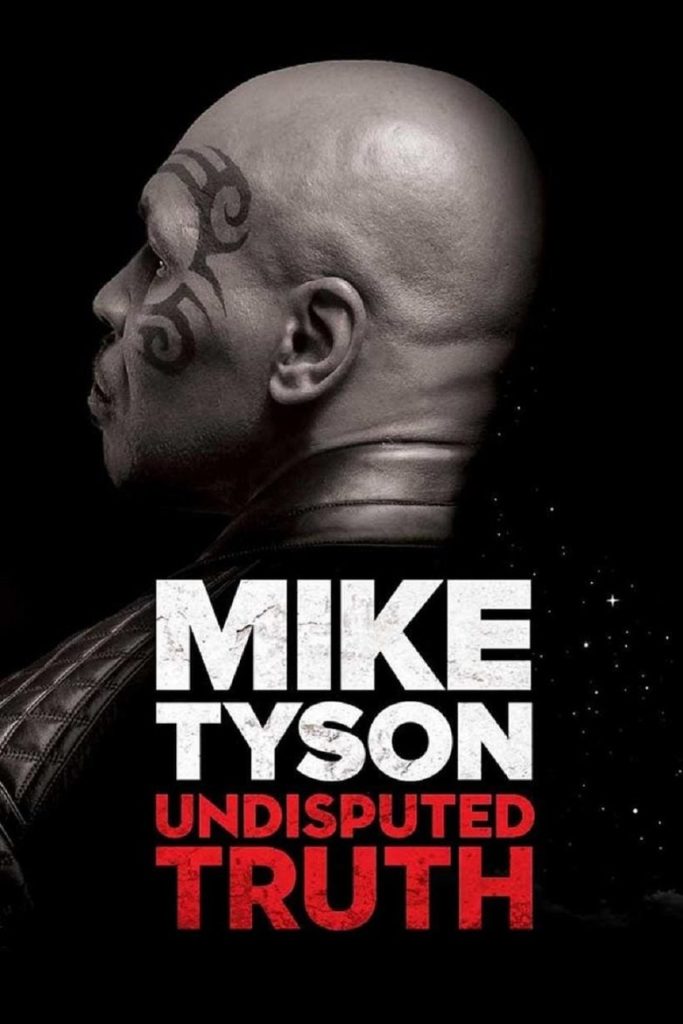
Story overview
Mike Tyson: Undisputed Truth is a 2013 TV movie that blends comedy, drama, and documentary elements. It features former heavyweight boxing champion Mike Tyson sharing personal stories from his life and career in a one-man stage show format. The presentation combines candid reflections with theatrical performance, offering insights into Tyson's experiences both inside and outside the ring. This production captures his unique perspective on fame, challenges, and personal growth.
Parent Guide
TV-MA production with mature themes and content unsuitable for children. Contains strong language and discussions of adult topics.
Content breakdown
Discussions of boxing violence and real-life conflicts, though not graphically depicted.
Themes include personal struggles and difficult life experiences that may be emotionally intense.
Contains strong profanity and adult language throughout.
May include references to adult relationships and themes.
Discussions of substance use and related experiences.
Personal stories involve emotional weight and mature themes.
Parent tips
This TV-MA rated production contains mature content that makes it unsuitable for younger viewers. Parents should be aware that the material includes strong language, adult themes, and discussions of violence that reflect Tyson's life experiences. The content is presented in a theatrical format but deals with real-life situations that may be inappropriate for children and younger teens.
Consider previewing the material or watching together with older teens to discuss the mature themes presented. The documentary-style approach to personal storytelling may prompt conversations about consequences, personal responsibility, and resilience.
Parent chat guide
Encourage critical thinking about how media presents personal stories and the difference between entertainment and real-life consequences. Discuss the format of the show itself - how a one-person performance can convey complex life experiences and emotions.
Parent follow-up questions
- What do you think about people telling stories on stage?
- How do people show their feelings when they talk?
- What makes someone brave when sharing their life?
- Can you think of a time you told a story about yourself?
- What do you think makes a good storyteller?
- Why do you think people share personal stories with others?
- How can talking about past experiences help people?
- What makes someone's life story interesting to listen to?
- How do you think it feels to share difficult memories?
- What can we learn from hearing about other people's lives?
- How does sharing personal stories help people understand each other better?
- What role does honesty play when someone talks about their life experiences?
- How can difficult life experiences lead to personal growth?
- Why might someone choose to share their story publicly?
- What makes a personal story both entertaining and meaningful?
- How does the format of a one-person show affect how we receive personal narratives?
- What responsibilities come with sharing difficult life experiences publicly?
- How can public figures use their platforms to discuss personal growth and redemption?
- What ethical considerations exist when presenting real-life stories as entertainment?
- How does this presentation challenge or reinforce stereotypes about athletes and public figures?
🎭 Story Kernel
The film is less a boxing documentary and more a raw psychological excavation of identity. It explores how Mike Tyson, stripped of his championship persona, grapples with the contradictions of his own narrative—simultaneously victim and perpetrator, predator and protector. The driving force isn't victory or defeat in the ring, but the desperate, often chaotic, search for self-forgiveness and a coherent personal truth amidst the wreckage of fame, trauma, and public spectacle. We see a man trying to assemble a stable self from the shattered pieces of 'Iron Mike,' the convicted felon, the addict, the father, and the performer.
🎬 Visual Aesthetics
The visual language is starkly theatrical, deliberately contrasting with typical sports documentary grit. The stage is often bathed in a single, dramatic spotlight, isolating Tyson in a pool of light against darkness—a visual metaphor for his solitary confrontation with his past. Camera work is intimate and steady, favoring tight close-ups that capture every flicker of emotion, regret, and defiance on his face. The color palette is muted, dominated by blacks and deep blues, focusing all attention on Tyson's physical presence and vocal performance, making the stage feel both like a confessional booth and a boxing ring.
🔍 Details & Easter Eggs
💡 Behind the Scenes
The film is a direct recording of Tyson's one-man Broadway stage show, directed by Spike Lee. It was shot over two live performances at the Longacre Theatre. Notably, Tyson performed the entire 90-minute show without an intermission, a demanding feat of memory and stamina that parallels a championship fight. Spike Lee's decision to use minimal editing and preserve the 'live' feel, including audience reactions, was intentional to maintain the raw, unrehearsed energy of Tyson's confession.
Where to watch
Choose region:
- HBO Max
- HBO Max Amazon Channel
- Amazon Video
- Apple TV
- Google Play Movies
- YouTube
- Fandango At Home