
Mike Wallace Is Here (2019)
Story overview
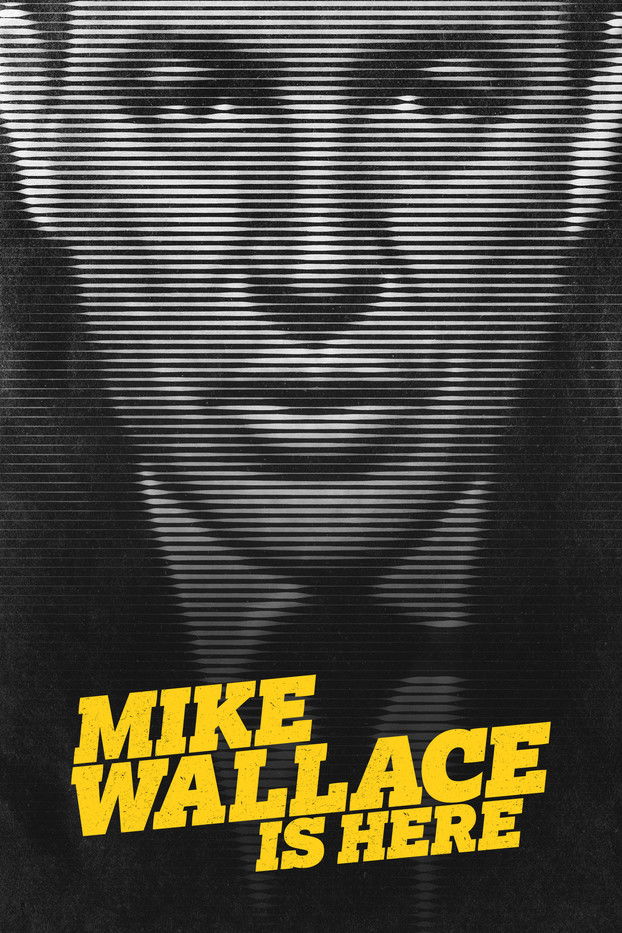
This documentary chronicles the career of legendary journalist Mike Wallace, known for his tough interviews on '60 Minutes.' Using archival footage, it explores his professional achievements, personal struggles, and the evolution of broadcast journalism, touching on historical figures and events. Rated PG-13, it's suitable for mature audiences interested in media history.
Parent Guide
A documentary suitable for mature viewers, focusing on journalistic history without graphic content. Best for ages 13 and up due to thematic complexity.
Content breakdown
Archival footage may include brief references to historical events or conflicts (e.g., wars, political tensions), but no explicit violence is depicted.
Some interviews or discussions might involve intense topics (e.g., corruption, personal crises), but nothing visually frightening. Younger viewers might find the serious tone unsettling.
May include occasional mild profanity or strong language in archival clips, consistent with PG-13 rating.
No sexual content or nudity is present in this documentary.
No depiction of substance use.
Explores serious themes like journalistic integrity, personal turmoil, and historical impact, which could be emotionally engaging for older viewers but may be too abstract for younger children.
Parent tips
This film is best for teens and adults due to its complex themes. Younger viewers may find it slow or confusing. Discuss media ethics and historical context with older kids. Note: Contains archival footage of real-world events and figures, which may include brief intense moments.
Parent chat guide
Parent follow-up questions
—
—
- Who was Mike Wallace and why was he important?
- What is a documentary and how is it different from a regular movie?
- Can you name one person he interviewed and what they talked about?
- How has journalism changed since Mike Wallace's time, and what challenges does it face today?
- What ethical dilemmas do journalists like Wallace encounter, and how would you handle them?
- How do the personal struggles of public figures, as shown in the film, affect their professional work?
- Discuss the impact of archival footage in understanding history versus fictional portrayals.
🎭 Story Kernel
The film is less a biography of Mike Wallace and more an autopsy of the American interview itself. It explores how Wallace weaponized the television interview, transforming it from polite conversation into a tool for accountability and spectacle. His relentless drive stems from a deep-seated insecurity and a need for validation, which he channels into becoming the nation's moral inquisitor. The documentary reveals that his confrontational style wasn't just professional—it was a personal armor, a way to keep the spotlight on others to avoid examining his own demons, including his son's tragic death and his own bouts with depression.
🎬 Visual Aesthetics
The film's visual language is a masterclass in archival montage. Director Avi Belkin constructs the narrative entirely from historical footage, interviews, and outtakes, creating a dialogue across decades. The black-and-white and color clips are edited with a rhythmic, almost musical precision, using split-screens and juxtapositions to show Wallace interrogating others while being interrogated himself. The camera often holds on Wallace's face in close-up, capturing the subtle flickers of doubt, arrogance, and weariness behind the famous steely gaze. The aesthetic reinforces the theme: history is the ultimate editor, and every public figure is trapped in their own media echo chamber.
🔍 Details & Easter Eggs
💡 Behind the Scenes
Director Avi Belkin spent four years sifting through over 1,200 hours of archival material to craft the narrative. Notably, the film features never-before-aired outtakes from Wallace's legendary interviews, including raw moments with Richard Nixon and Malcolm X. The score by Israeli composer Ran Bagno uses minimalist, tense motifs to underscore the psychological drama. The project was initially conceived as a more traditional biopic but evolved into its current reflexive form when Belkin realized the most compelling story was Wallace's relationship with the interview format itself.
Where to watch
Choose region:
- HBO Max
- HBO Max Amazon Channel
- Philo
- Cinemax Amazon Channel
- Cinemax Apple TV Channel
- Fandango at Home Free
- DistroTV
- Amazon Video
- Apple TV Store
- Google Play Movies
- YouTube
- Fandango At Home
- FlixFling
Trailer
Trailer playback is unavailable in your region.