
Miracle at Midnight (1998)
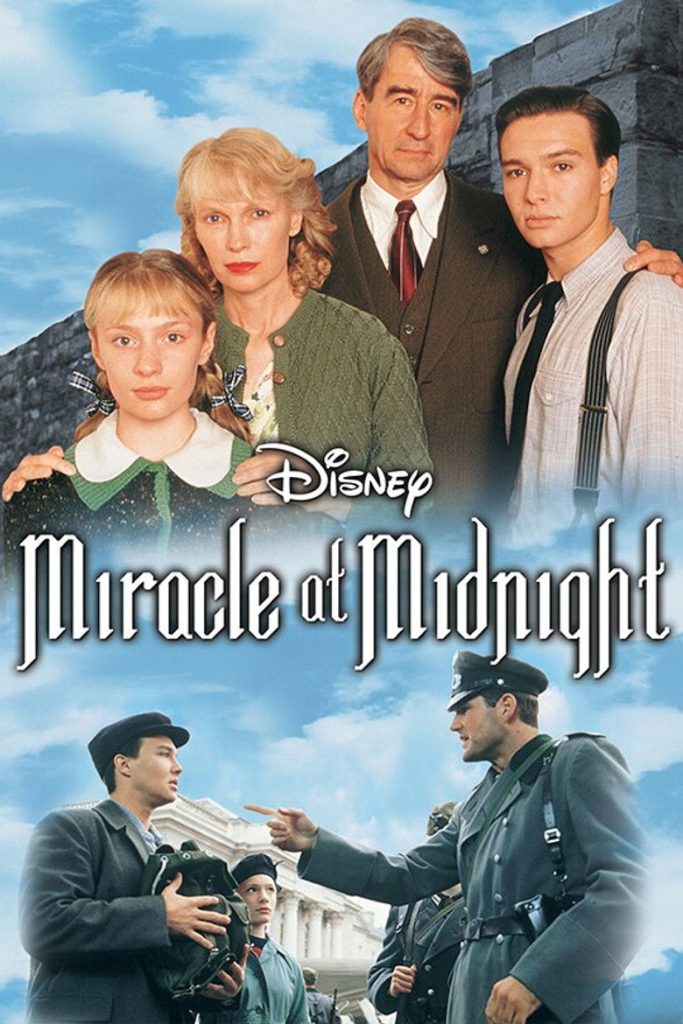
Story overview
Miracle at Midnight is a 1998 TV movie drama that blends adventure and comedy elements. It follows a family-friendly story likely involving lighthearted challenges or unexpected events. The TV-PG rating suggests it's suitable for general audiences with some parental guidance. The film explores themes of hope and perseverance in an accessible way for viewers.
Parent Guide
Family-friendly TV movie suitable for most children with parental guidance. TV-PG rating indicates some material may not be suitable for young children.
Content breakdown
May include mild adventure peril or tense situations typical of family dramas.
Could have mildly intense dramatic moments but nothing graphic or overly frightening.
TV-PG rating suggests minimal to no concerning language.
No expected sexual content or nudity in a family-oriented TV movie.
Unlikely to include substance use given the rating and genre.
Some emotional moments typical of drama genre, but balanced with comedy elements.
Parent tips
This TV-PG movie is appropriate for most children with some parental guidance. The blend of drama, adventure, and comedy suggests it balances serious moments with lighter entertainment. As a TV movie from 1998, it may have production values different from modern films, which could be a talking point about how media has evolved.
Parents should be prepared to discuss any historical or cultural contexts if relevant to the story. The adventure elements might include mild peril or challenges that characters overcome. The comedy aspects likely provide relief from any dramatic tension.
Parent chat guide
For older children, you could discuss how the movie balances different genres - what made it dramatic versus comedic. Talk about the messages about family, community, or perseverance that the film presents. Consider comparing this 1998 production to more recent movies they've seen.
Parent follow-up questions
- What was your favorite part of the movie?
- Which character did you like the most and why?
- Can you tell me about one nice thing someone did in the story?
- What colors or sounds do you remember from the movie?
- How did the movie make you feel - happy, excited, or something else?
- What problem did the characters have to solve in the movie?
- How did the characters work together to help each other?
- What does the title 'Miracle at Midnight' mean to you after watching?
- Which scene was the most exciting or interesting to you?
- What would you have done differently if you were one of the characters?
- What themes or messages did you notice in this movie?
- How did the movie balance serious moments with lighter, comedic ones?
- What did you think about how the characters handled challenges?
- How does this 1998 TV movie compare to shows or movies you watch today?
- What made this story an 'adventure' in your opinion?
- How effectively did the movie blend multiple genres (drama, adventure, comedy)?
- What did you think about the pacing and structure of this TV movie format?
- How did the film handle its central themes or messages?
- What aspects of the production (acting, direction, writing) stood out to you?
- How does this film compare to other family dramas or adventures you've seen?
🎭 Story Kernel
The film's true engine isn't the mechanics of the rescue, but the anatomy of moral courage. It explores how ordinary decency becomes a revolutionary act under tyranny. The Koster family isn't driven by grand ideology, but by a visceral, unspoken understanding that their neighbor's suffering is their own. The central tension lies in the quiet, domestic spaces where conscience battles fear. The story asks: at what point does passive empathy demand active risk? The answer unfolds not in speeches, but in the silent exchange of glances, the shared meal, and the opened door—each a small, defiant declaration of a shared humanity that the occupiers seek to erase.
🎬 Visual Aesthetics
The film employs a muted, naturalistic color palette of grays, browns, and soft blues, mirroring the subdued tension of occupied Copenhagen. Cinematography favors intimate, handheld shots within the Koster home, making the audience feel like another hidden guest. The contrast is stark between the warm, cluttered interiors of safety and the cold, orderly, and threatening exteriors patrolled by Germans. Key moments use tight close-ups on faces—particularly eyes—to communicate fear, resolve, and unspoken understanding where dialogue would be dangerous. The visual language is one of containment and quiet observation, making the moments of movement and escape feel all the more urgent and expansive.
🔍 Details & Easter Eggs
💡 Behind the Scenes
The film is based on the true story of the Koster family and the collective effort of Danish citizens during the October 1943 rescue of over 7,000 Danish Jews. It was produced for The Wonderful World of Disney, aiming to bring this historical event to a family audience. Filming took place in various locations meant to double for 1940s Copenhagen. Actor Sam Waterston, who plays Dr. Koster, is known for his roles in historical dramas, bringing a grounded gravitas to the portrayal of a man wrestling with the ethical demands of his profession and his humanity under extreme duress.
Where to watch
Choose region:
- Disney Plus
- Apple TV
- Fandango At Home
- Amazon Video
- Google Play Movies
- YouTube