
Misha and the Wolves (2021)
Story overview
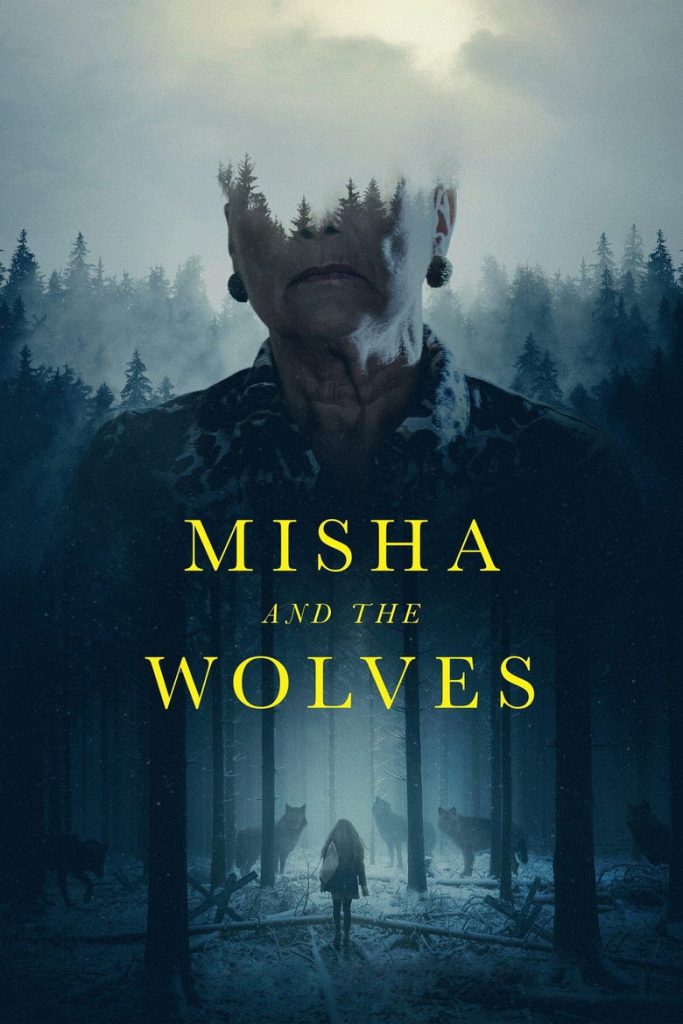
Misha and the Wolves is a 2021 documentary that explores the true story of Misha Defonseca, whose bestselling Holocaust memoir captivated readers worldwide. The film reveals how her harrowing tale of surviving World War II by living with wolves was eventually exposed as a fabrication, uncovering a complex web of deception and the psychological motivations behind it. Through interviews and archival footage, the documentary examines themes of truth, trauma, and the human need for identity and belonging.
Parent Guide
A thought-provoking documentary about truth, deception, and trauma that requires emotional maturity to process its complex themes.
Content breakdown
No physical violence shown. Discussions of wartime peril and survival situations, but no graphic depictions. Some tense moments during the investigation reveal.
The revelation of deception and exploration of psychological trauma may be disturbing. Discussions of Holocaust experiences (though not graphically described) and the unraveling of a personal narrative create emotional intensity.
No offensive language noted in the documentary.
No sexual content or nudity.
No substance use depicted.
High emotional intensity due to themes of deception, trauma, identity crisis, and the ethical implications of the story. The documentary creates tension through its investigative narrative and exploration of psychological motivations.
Parent tips
This documentary deals with mature themes including deception, trauma, and the Holocaust. While there's no graphic violence, the emotional weight of the subject matter may be challenging for younger viewers. The film is best suited for mature middle schoolers and teenagers who can process complex ethical questions. Consider watching together to discuss the nature of truth, the impact of trauma, and how society responds to extraordinary stories.
Parent chat guide
Parent follow-up questions
—
- What did you think about the story of the wolves?
- How did the movie make you feel?
- What is a true story versus a made-up story?
- Why do you think someone might make up a story about their past?
- How did the investigation change how people viewed Misha's story?
- What does this documentary teach us about believing stories we hear?
- How do you think Misha felt when her story was questioned?
- What psychological factors might lead someone to create an elaborate false identity?
- How does this case reflect broader issues of trauma, memory, and storytelling?
- What ethical questions does this raise for publishers and journalists?
- How does the documentary handle the tension between empathy for Misha and commitment to truth?
- What does this reveal about society's relationship with Holocaust narratives?
🎭 Story Kernel
At its core, 'Misha and the Wolves' isn't just about verifying a Holocaust survival story—it's a chilling exploration of how trauma, memory, and identity become dangerously intertwined with fiction. The film reveals how Misha Defonseca's fabricated narrative of being raised by wolves after her parents' deportation wasn't merely a lie for profit, but a psychological survival mechanism that mirrored the very trauma she claimed to escape. The documentary becomes a character study of how someone can become so invested in their own myth that they begin to believe it, while exposing how audiences desperately want to believe in miraculous survival stories, making us complicit in the deception. The real wolves aren't in the forest—they're the predatory instincts of memory and the human need for cathartic narratives.
🎬 Visual Aesthetics
The film employs a masterful visual dichotomy between warm, nostalgic reenactments of Misha's fabricated story and cold, clinical documentary footage of investigators and lawyers. The wolf sequences are shot with golden-hour lighting and lyrical camera movements, creating the romanticized fantasy Misha sells. Meanwhile, present-day interviews use stark, unflattering lighting and static shots that emphasize the uncomfortable truth. Archival footage of actual Holocaust survivors is presented with grainy, desaturated textures that contrast sharply with Misha's polished recollections. The editing rhythm accelerates as the investigation progresses, creating a thriller-like tension through rapid cuts between contradictory evidence and emotional testimony.
🔍 Details & Easter Eggs
💡 Behind the Scenes
The documentary's director, Sam Hobkinson, initially approached the project as a straightforward Holocaust survival story before discovering the complex web of deception. The real investigation was led by a Belgian journalist, Marc Metdepenningen, whose dogged research forms the film's backbone. Interestingly, Misha Defonseca's actual name is Monique De Wael, and she was raised by her grandfather after her parents' arrest—a truth far more ordinary than her fabricated epic. The film uses minimal reenactment actors, focusing instead on archival research and interviews, with the 'wolf' sequences created using trained wolf-dog hybrids and careful editing to maintain ethical boundaries while visualizing Misha's narrative.
Where to watch
Choose region:
- Netflix
- Netflix Standard with Ads
Trailer
Trailer playback is unavailable in your region.