
Missing (2024)
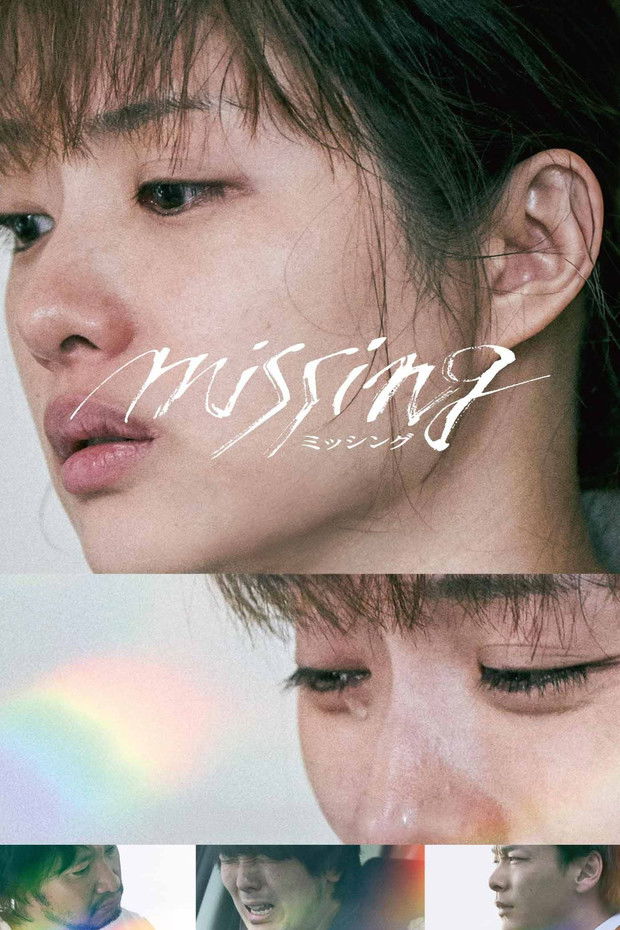
Story overview
A Japanese drama film about a young girl who mysteriously disappears while walking, leaving her family in profound grief. As months pass without any leads, online rumors begin to circulate, particularly targeting the mother's actions, which intensifies the strain on her marriage and adds another layer of emotional turmoil to the family's search for answers.
Parent Guide
A serious drama focusing on emotional trauma, family dynamics, and societal pressure, with no graphic content but intense themes.
Content breakdown
No physical violence shown, but the central peril involves a child's disappearance, which creates ongoing tension and fear.
The premise of a missing child and the emotional distress of the family are disturbing. Online harassment adds to the unsettling atmosphere.
No offensive language noted; based on typical Japanese drama standards, any language is mild and context-appropriate.
No sexual content or nudity present.
No depiction of substance use.
High emotional intensity due to themes of loss, grief, marital strain, and social ostracism. May be overwhelming for sensitive viewers.
Parent tips
This film deals with the sensitive topic of a missing child and the emotional fallout on a family, including online harassment and marital strain. It may be distressing for younger viewers or those who have experienced similar losses. Consider discussing themes of grief, rumors, and family resilience with older children.
Parent chat guide
Parent follow-up questions
- How did the family feel when the girl was missing?
- What are some safe places to walk?
- Why do you think people spread rumors online?
- How can families stay strong during hard times?
- What impact did the online rumors have on the mother and marriage?
- How does the film show the long-term effects of a missing person case?
- Discuss the portrayal of grief and societal judgment in the film. How realistic is it?
- What are the ethical implications of online speculation in real missing person cases?
🎭 Story Kernel
The film is a brutal deconstruction of the missing person genre, moving beyond a simple search to explore the erosion of morality under economic and psychological pressure. It centers on Satoshi, a father who disappears after claiming to have seen a serial killer, and his daughter Kaede, who refuses to give up on him. What begins as a desperate quest for a loved one transforms into a disturbing revelation of Satoshi’s complicity in a dark trade. Yoshida expresses the idea that desperation can turn even the most ordinary person into a monster. The movie critiques a society where the marginalized are forced into impossible choices, suggesting that the missing are not just those who vanish, but those who lose their souls while trying to survive in a world that has forgotten them.
🎬 Visual Aesthetics
Keisuke Yoshida utilizes a stark, naturalistic visual style that avoids the polished sheen of mainstream thrillers. The cinematography captures the grime of industrial areas and the sterile coldness of public spaces, reflecting the characters' isolation. Symbolism is subtly woven through the film, most notably the ping-pong table which represents a fractured domesticity and lost innocence. The use of handheld cameras during Kaede’s search creates an urgent, documentary-like feel, while the static, voyeuristic shots during the encounters with the killer evoke a sense of dread. Lighting plays a crucial role, often casting Satoshi in deep shadow to visualize his moral descent. The color palette is muted, dominated by greys and blues, reinforcing the bleak reality of a narrative that offers no easy comfort or visual relief from its heavy themes.
🔍 Details & Easter Eggs
💡 Behind the Scenes
Director Keisuke Yoshida, often celebrated for his nuanced character studies, cast Jiro Sato against type. Sato is a household name in Japan for his eccentric comedic timing, but here he provides a hauntingly restrained performance that anchors the film’s emotional weight. The movie, titled Sagasu in Japanese, which can mean both to search and to look for, premiered at the Busan International Film Festival to significant acclaim. It was noted for its screenplay's ability to shift perspectives mid-film, a risky narrative choice that successfully recontextualizes the entire first act and challenges the audience's initial sympathies.
Where to watch
Choose region:
- Netflix
- Netflix Standard with Ads
Trailer
Trailer playback is unavailable in your region.