
Mission Blue (2014)
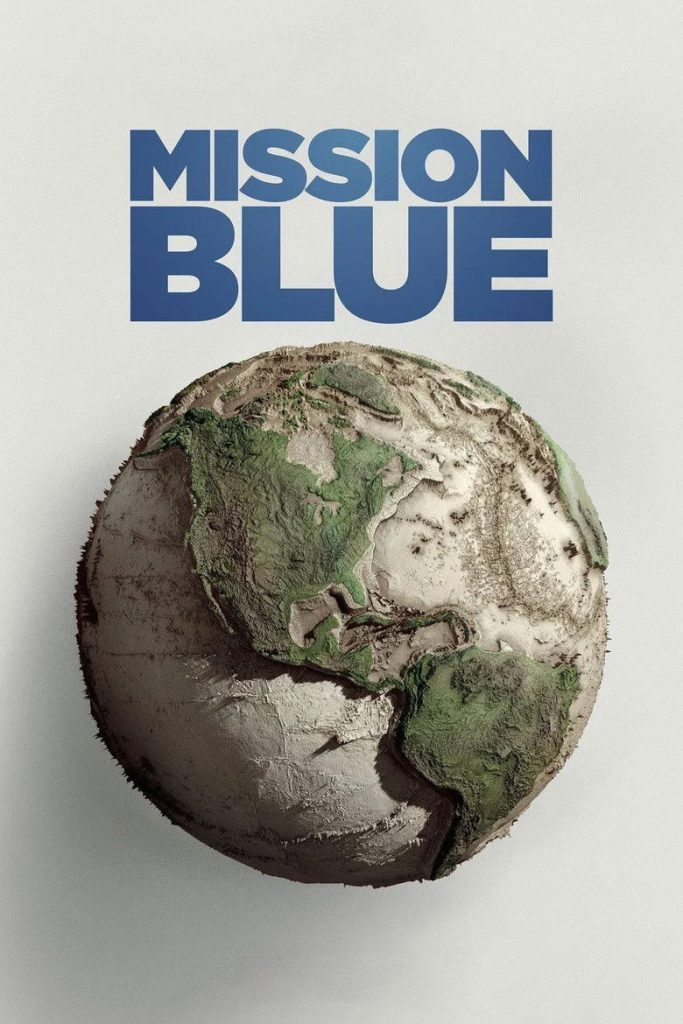
Story overview
Mission Blue is a 2014 documentary that chronicles the life and work of renowned oceanographer Sylvia Earle as she advocates for marine conservation. The film highlights the critical threats facing the world's oceans, including overfishing, pollution, and habitat destruction, while showcasing Earle's decades of scientific exploration and her mission to establish protected marine areas.
Parent Guide
Educational documentary about ocean conservation with some disturbing environmental imagery. Best for children 8+ with parental guidance.
Content breakdown
No human violence. Shows environmental destruction including dead fish and damaged coral reefs. Some scenes of fishing practices that result in animal death.
Images of polluted waters, dead marine animals, and damaged ecosystems might be disturbing to sensitive children. The tone is educational rather than frightening.
No offensive language. Scientific and environmental terminology throughout.
No sexual content or nudity.
No depiction of substance use.
The documentary presents serious environmental concerns that may evoke sadness or concern about ocean health. Sylvia Earle's passionate advocacy creates an emotionally engaging narrative.
Parent tips
This educational documentary is suitable for most children ages 8 and up, but parents should be aware that it contains some disturbing images of environmental damage and dead marine animals that might upset sensitive viewers. The film presents complex environmental issues that may require explanation for younger audiences.
Parent chat guide
Parent follow-up questions
- What sea animals did you see in the movie?
- What colors did you see in the ocean?
- How can we keep our beaches clean?
- Why is it important to protect the oceans?
- What are some ways pollution hurts sea animals?
- What did Sylvia Earle discover about the ocean?
- How does overfishing affect ocean ecosystems?
- What are marine protected areas and why are they important?
- What scientific methods did researchers use to study the ocean?
- What are the economic and political challenges to ocean conservation?
- How does climate change interact with other ocean threats?
- What career paths exist in marine science and conservation?
🎭 Story Kernel
At its core, 'Mission Blue' is less a biography of Sylvia Earle and more a cinematic autopsy of human indifference. The film's driving force isn't plot progression but the tension between Earle's relentless, almost spiritual connection to the sea and humanity's systematic destruction of it. It expresses the profound disconnect between scientific truth and political/economic reality, showing how Earle's life work has been a race against time to make people care about something they can't see. The characters are driven by a mix of scientific curiosity, grief for what's been lost, and desperate hope that evidence might finally spark action before it's too late.
🎬 Visual Aesthetics
The film masterfully contrasts two visual worlds: the breathtaking, immersive underwater sequences shot in vibrant blues and teals that make the ocean feel alive and sacred, versus the harsh, clinical footage of dead zones, bleached coral, and industrial fishing that drain color from the frame. The camera often lingers on Earle's face as she watches underwater footage, creating a powerful meta-commentary on witnessing. Aerial shots of ocean patterns resemble abstract art, while time-lapse sequences of coral bleaching unfold like horror movie transformations. The visual language shifts from wonder to warning without ever becoming didactic.
🔍 Details & Easter Eggs
💡 Behind the Scenes
Director Fisher Stevens initially approached this as a straightforward biography but shifted focus after witnessing the 2010 Deepwater Horizon oil spill firsthand. Much of the pristine underwater footage comes from Earle's personal archives spanning 50 years. The 'Hope Spots' mapping sequences required collaboration with NASA's satellite imaging teams. Several scenes were shot during actual scientific expeditions where the crew had to work around research schedules - including a tense moment when a submersible dive was nearly canceled due to weather, captured in the final film.
Where to watch
Choose region:
- Netflix
- Netflix Standard with Ads
Trailer
Trailer playback is unavailable in your region.